Hankyu Railway — Designing from Zero for Japanese Rail
A 0→1 staff-facing product across 88 stations, built for 700k daily commuters where precision is non-negotiable
Company
Transreport, UK
Partner
Hankyu Railway, Japan
My Role
Lead Product Designer (sole designer through MVP, then led 1 product designer in a team of 2 POs and 5+ engineers)
Scope
0→1 MVP · Concept · Research · End-to-end Design
Product
iOS and Android App
Duration
2022 June- 2024 April
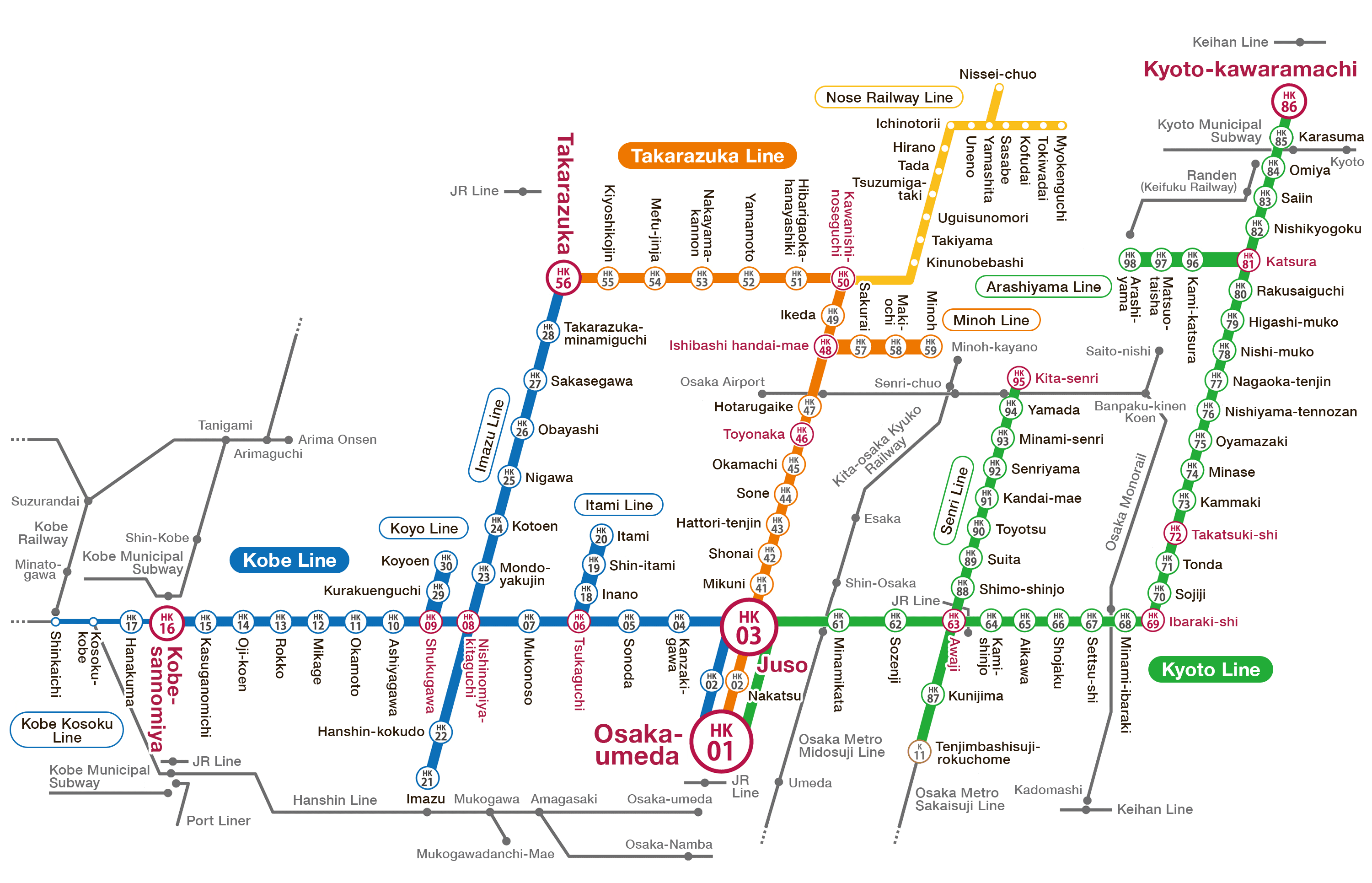
88 stations live
100% adoption
70% faster request creation
12.5 hrs saved per staff per month
10-year partnership secured
0% missed assistance
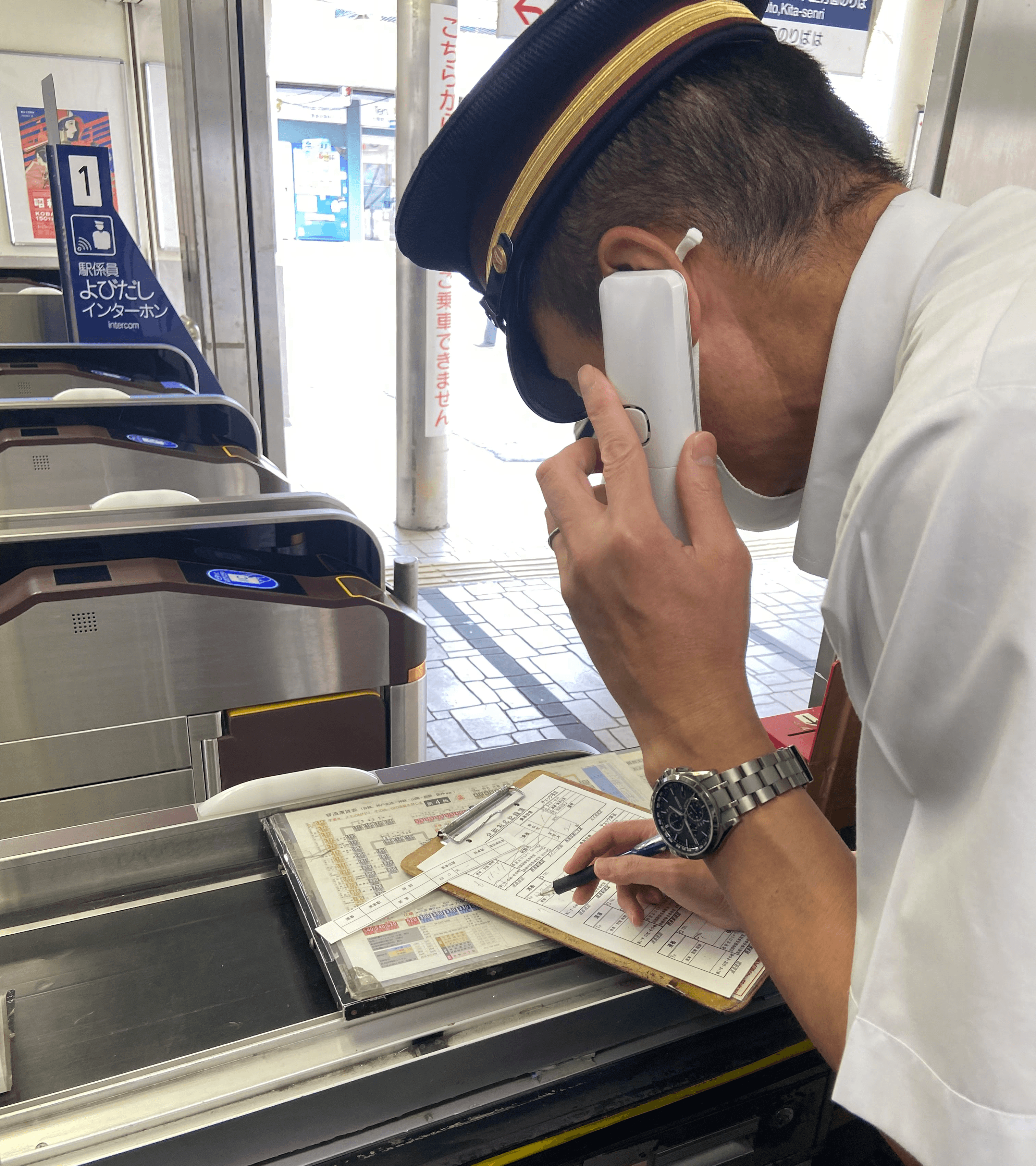
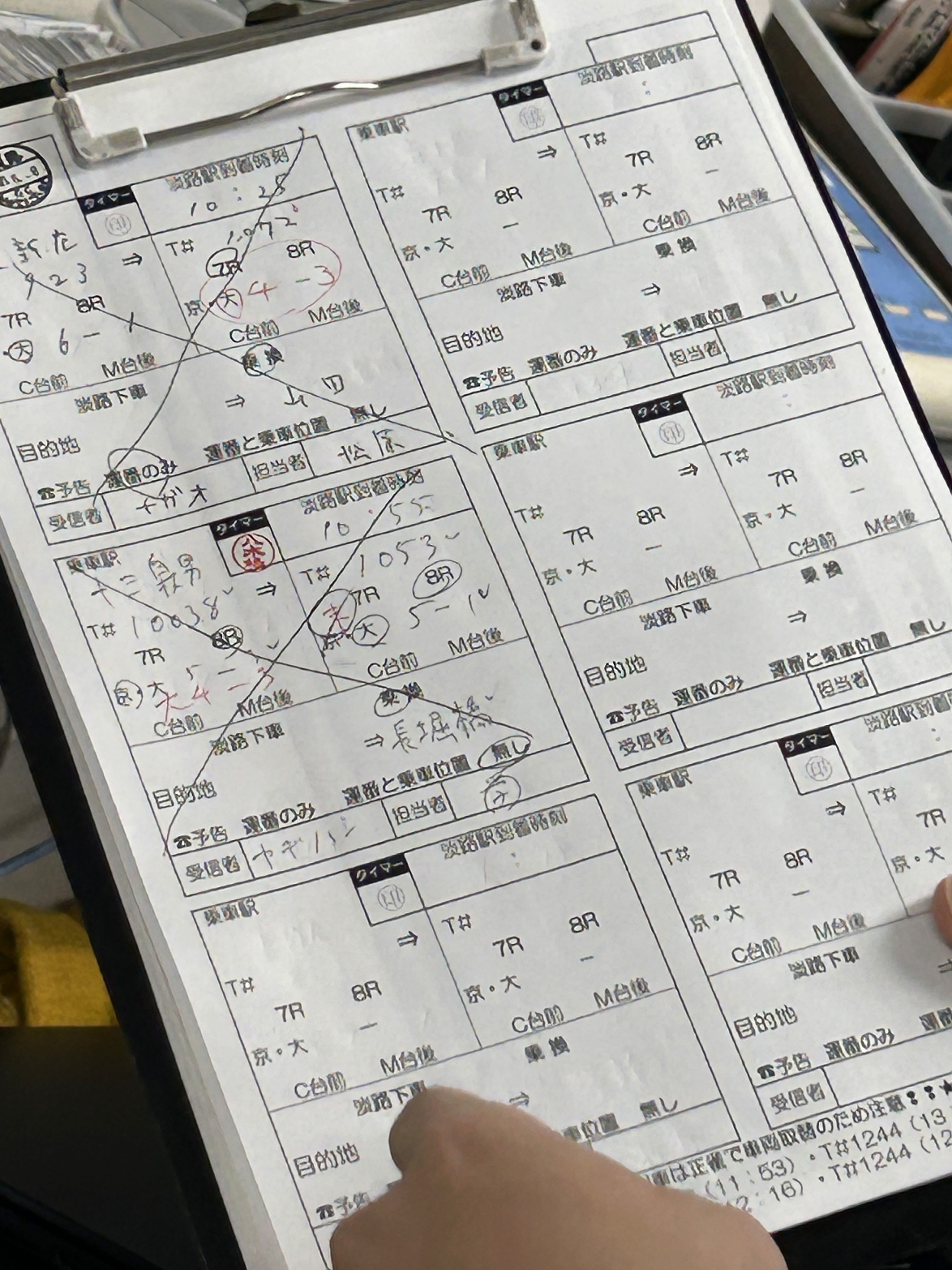
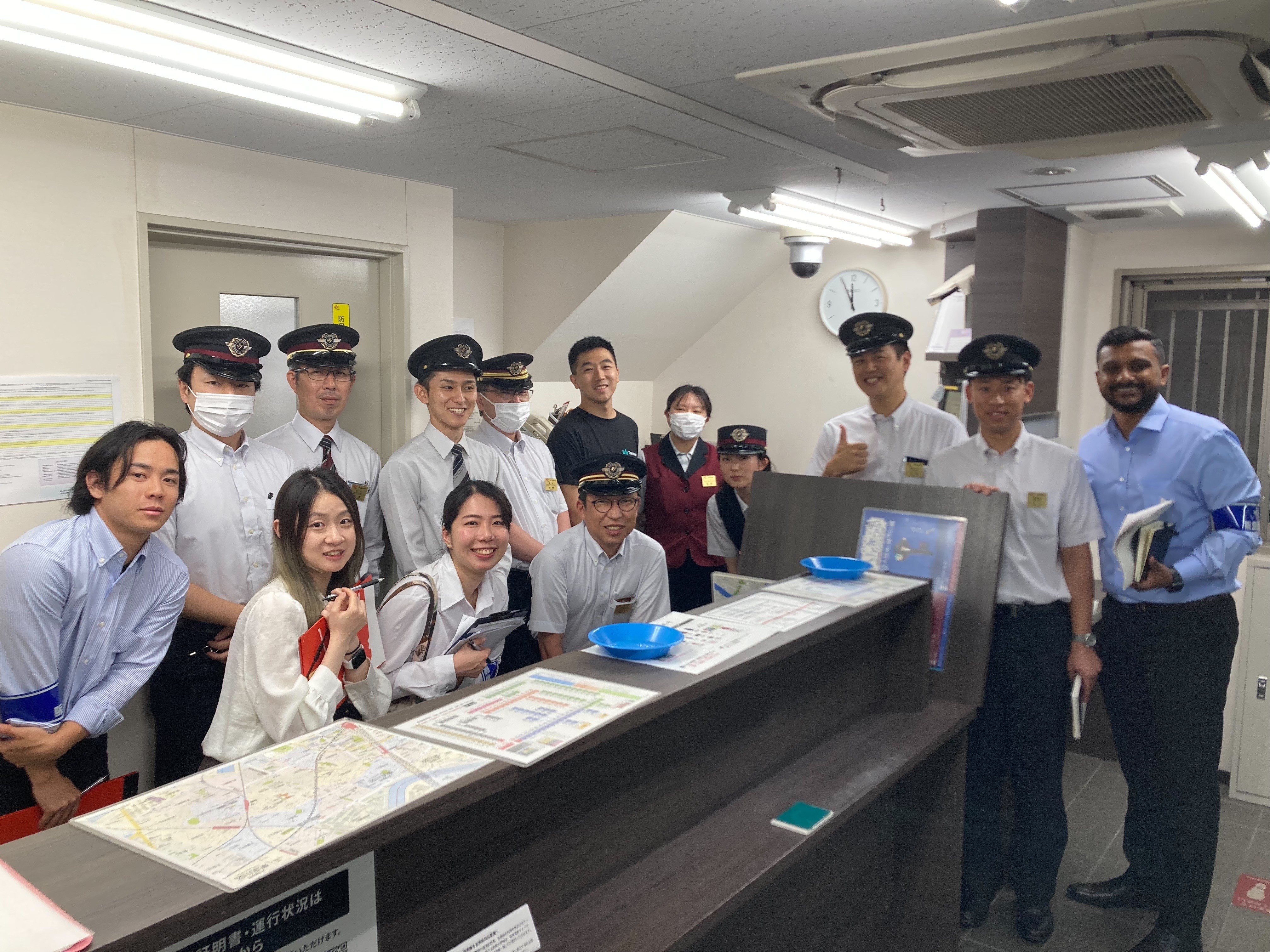
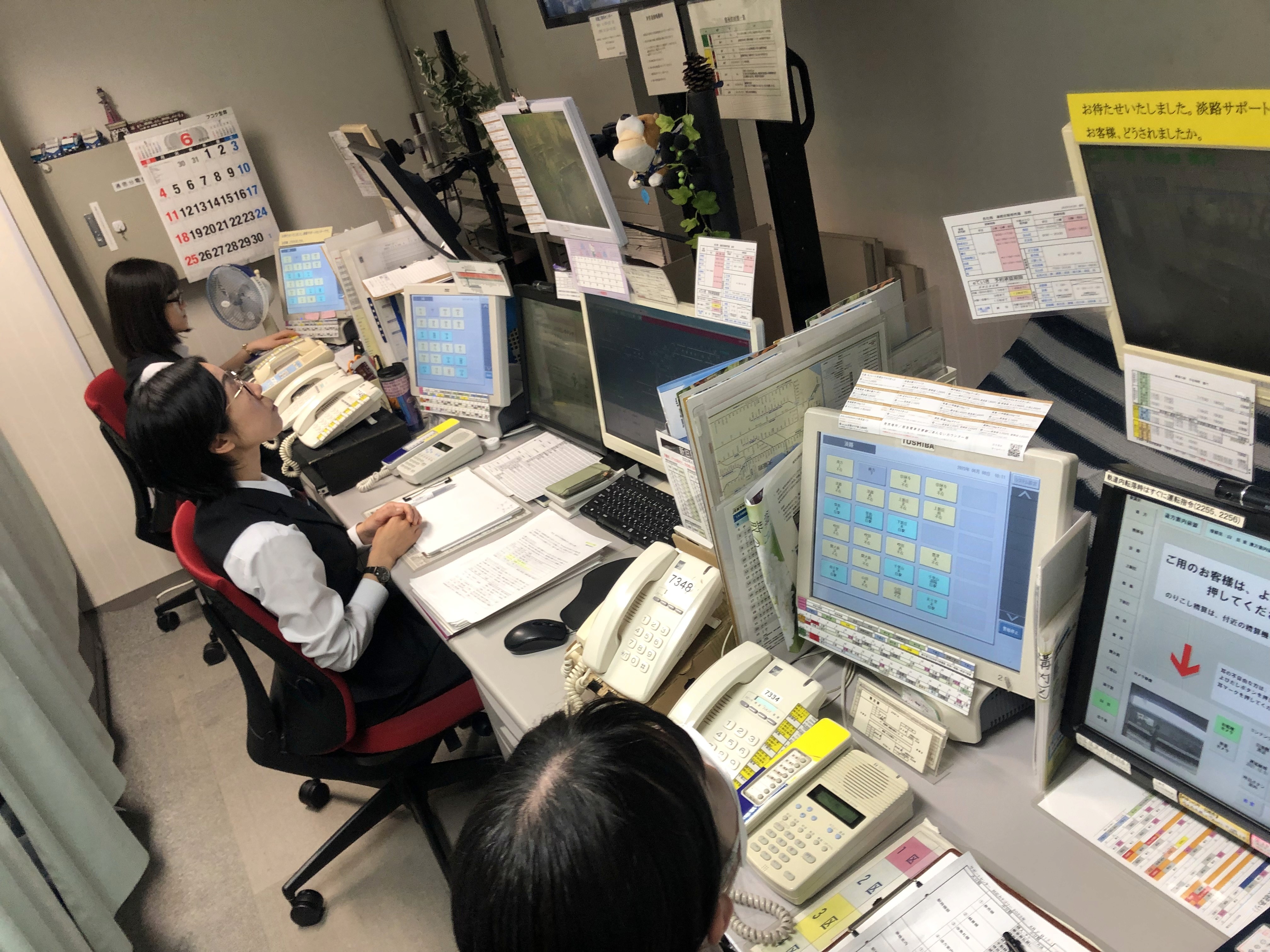
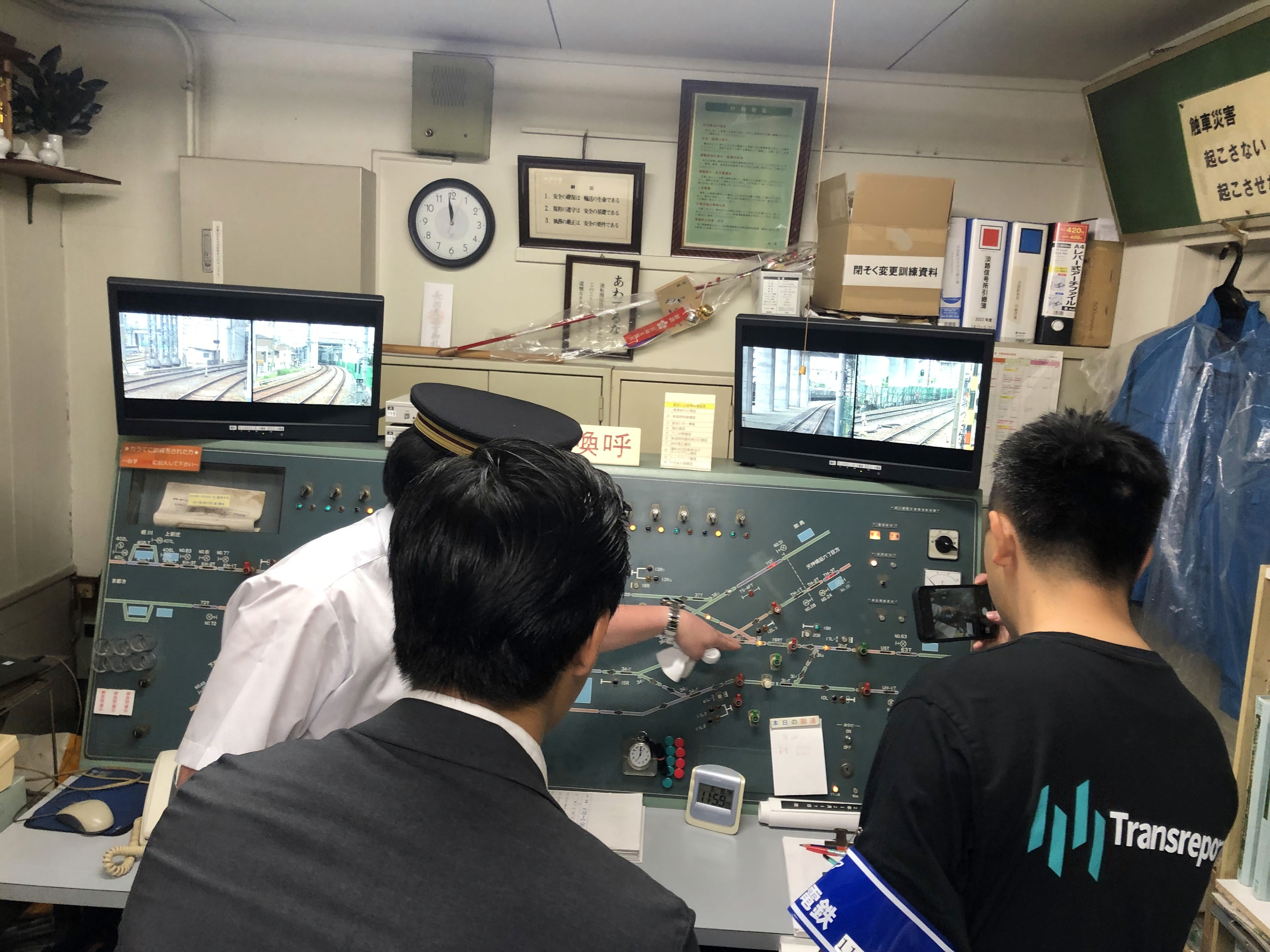
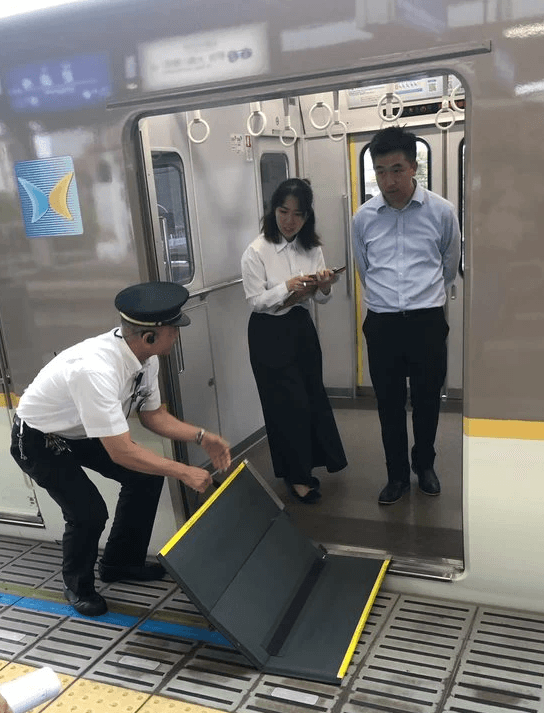
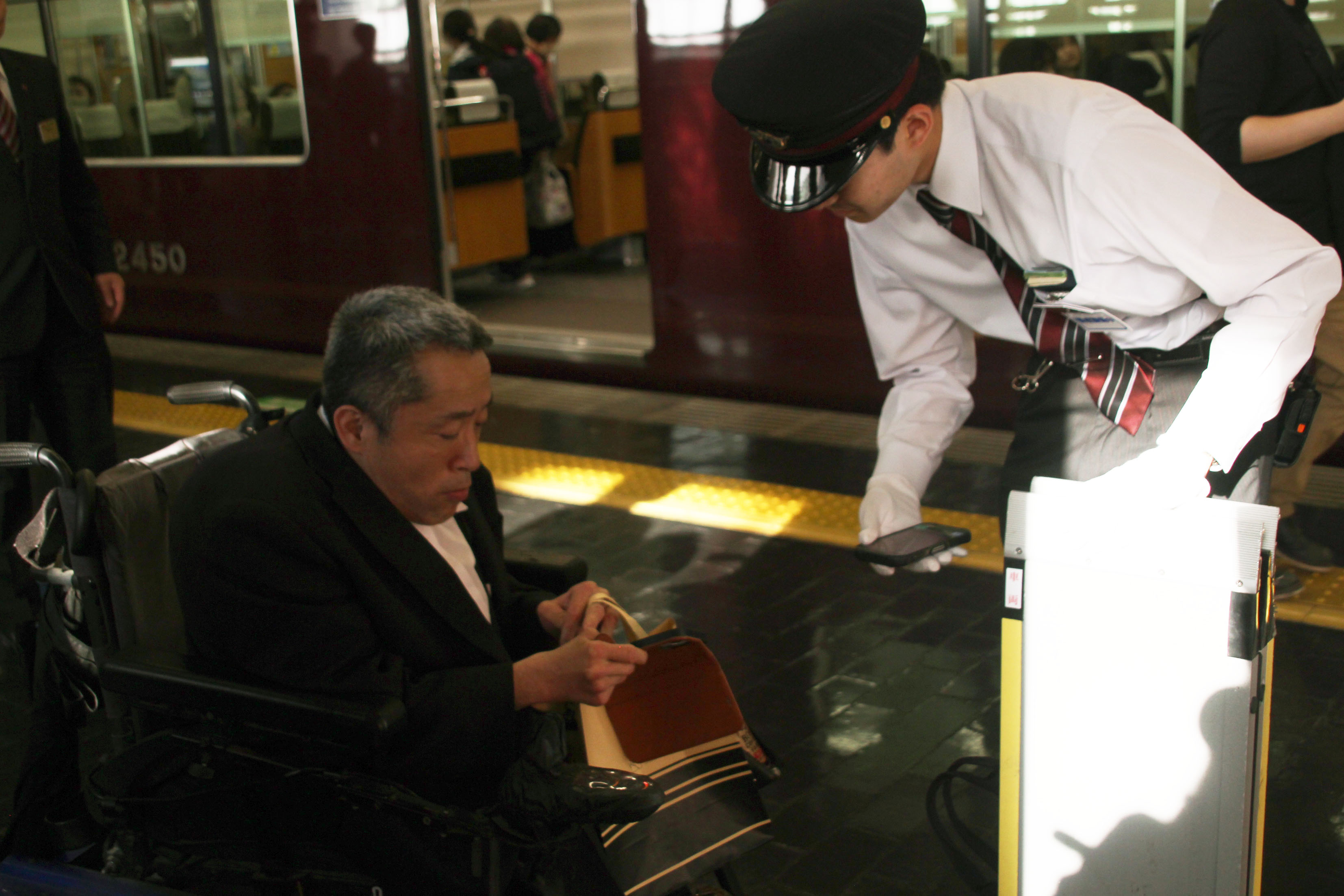
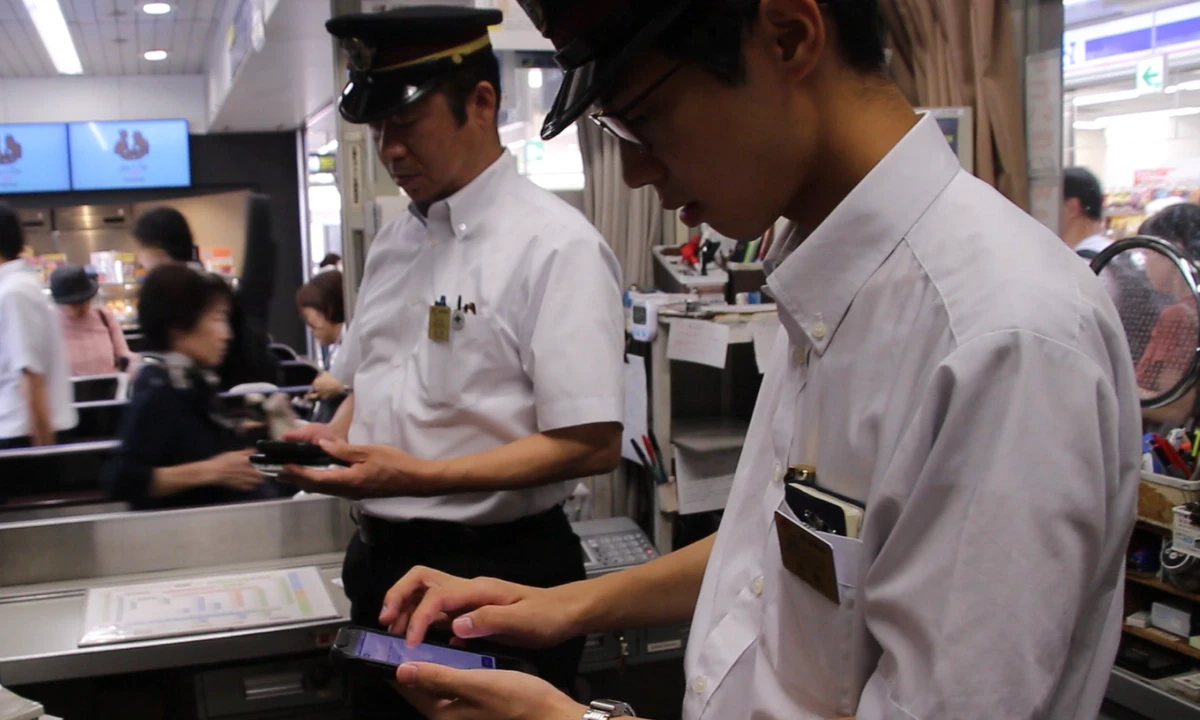
Contextual interviews with station staff
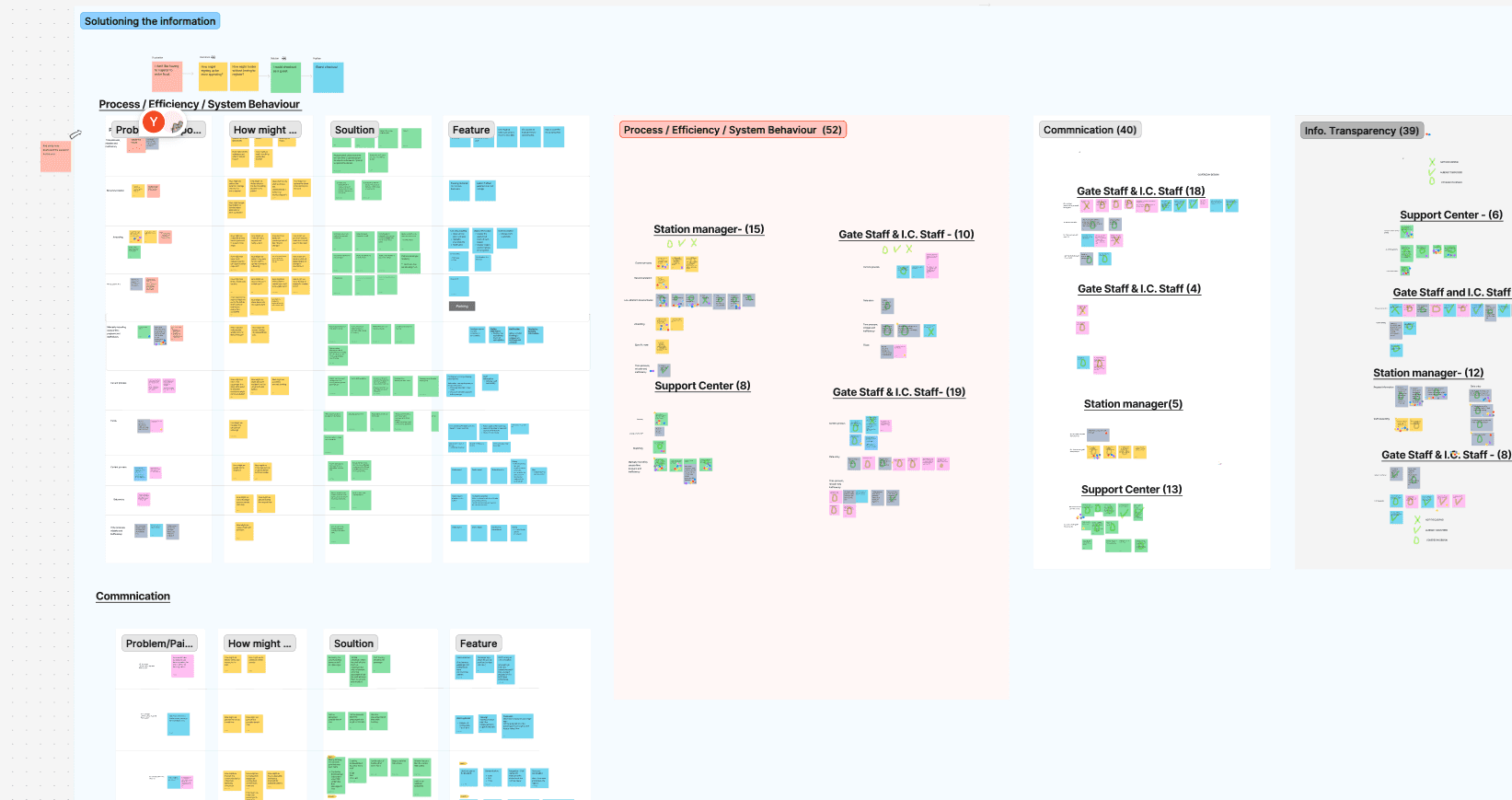
I made a research plan and interviewed gate staff, station managers, and operations leads to understand the work from each role's perspective — the pressures, the workarounds, and the moments where the current system broke down.
Workshop facilitation
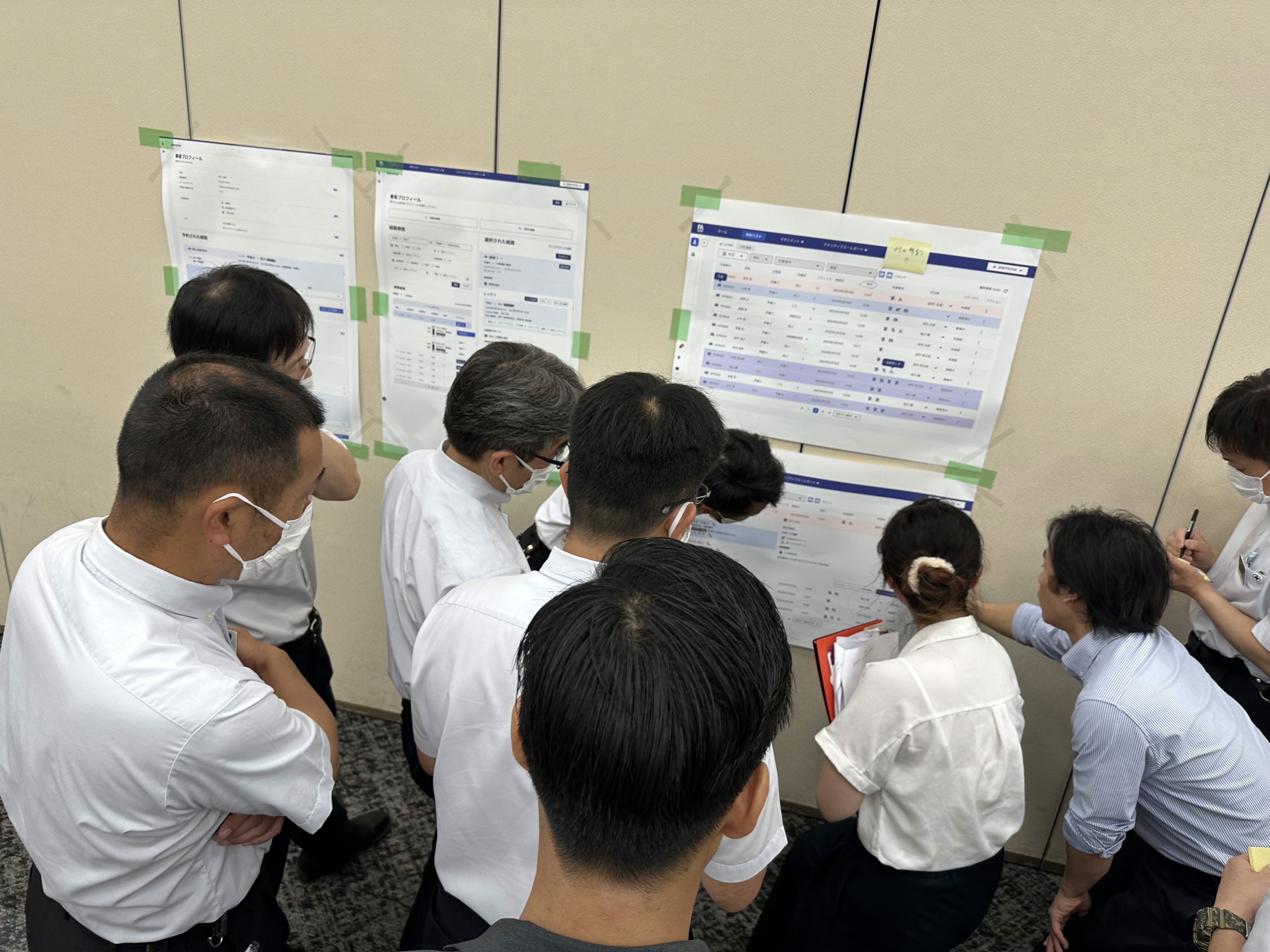
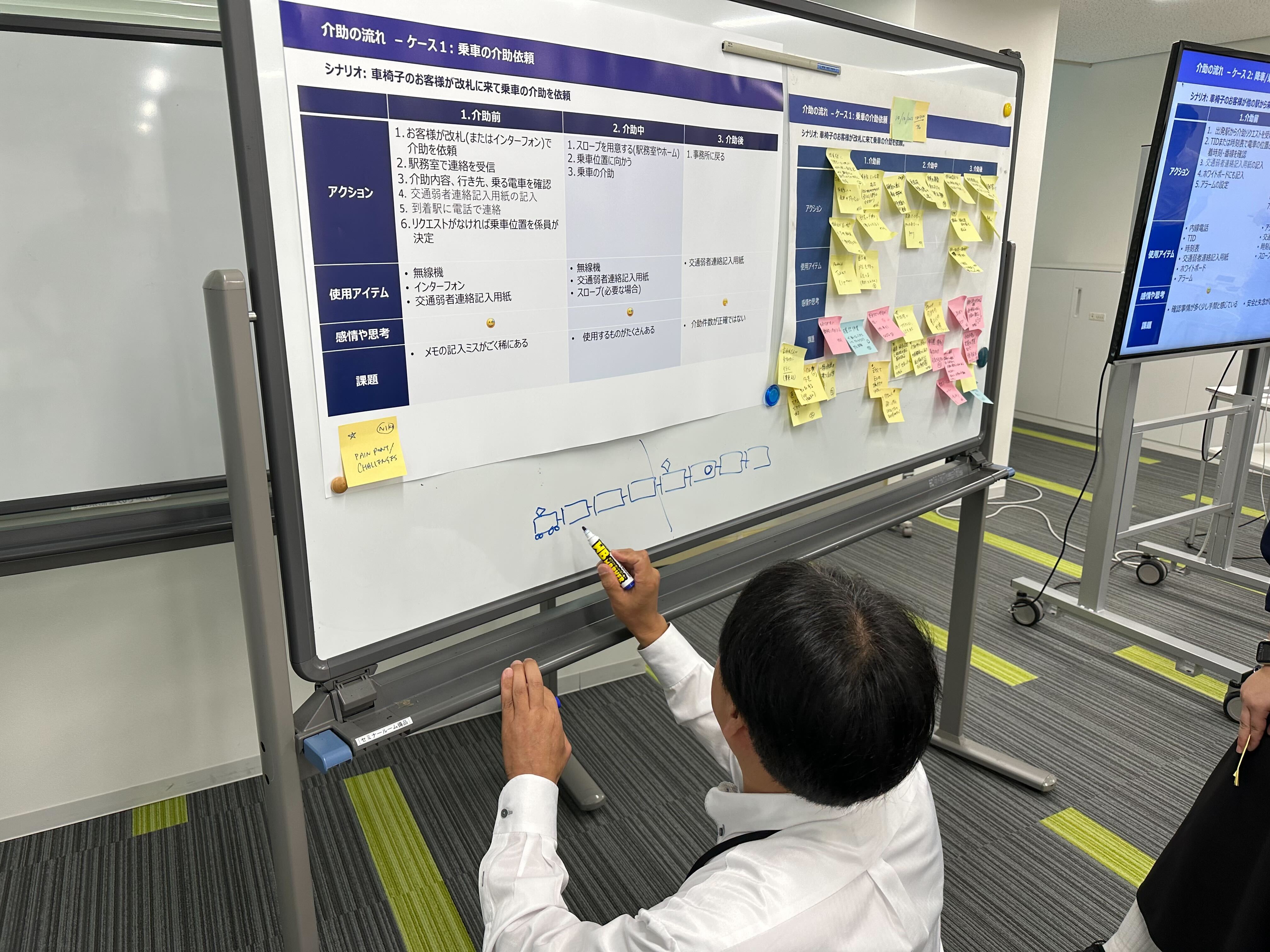
I led five ideation workshops with 50+ Hankyu staff members, working alongside a translator to validate research findings and test early assumptions about what a digital tool could realistically support
Stakeholder Landscape
This project involved a wide range of stakeholders — the client project team, operational managers, contact centre staff, gate staff, and labour union members — each with different priorities and concerns. I designed and facilitated workshops that created a safe space for these groups to align, surface tensions early, and build collective ownership of the direction.
Insight
We'd assumed hierarchical workplace norms meant designing for top-down task assignment. The workshops showed the opposite — gate staff routinely self-assigned during peak periods, and removing that flexibility broke the workflow. We designed for both modes from day one, treating flexibility as a core requirement rather than an edge case.
Quote from staff
"I was worried about a foreign company designing our product because we've never worked this way before — but I have faith in the product now."
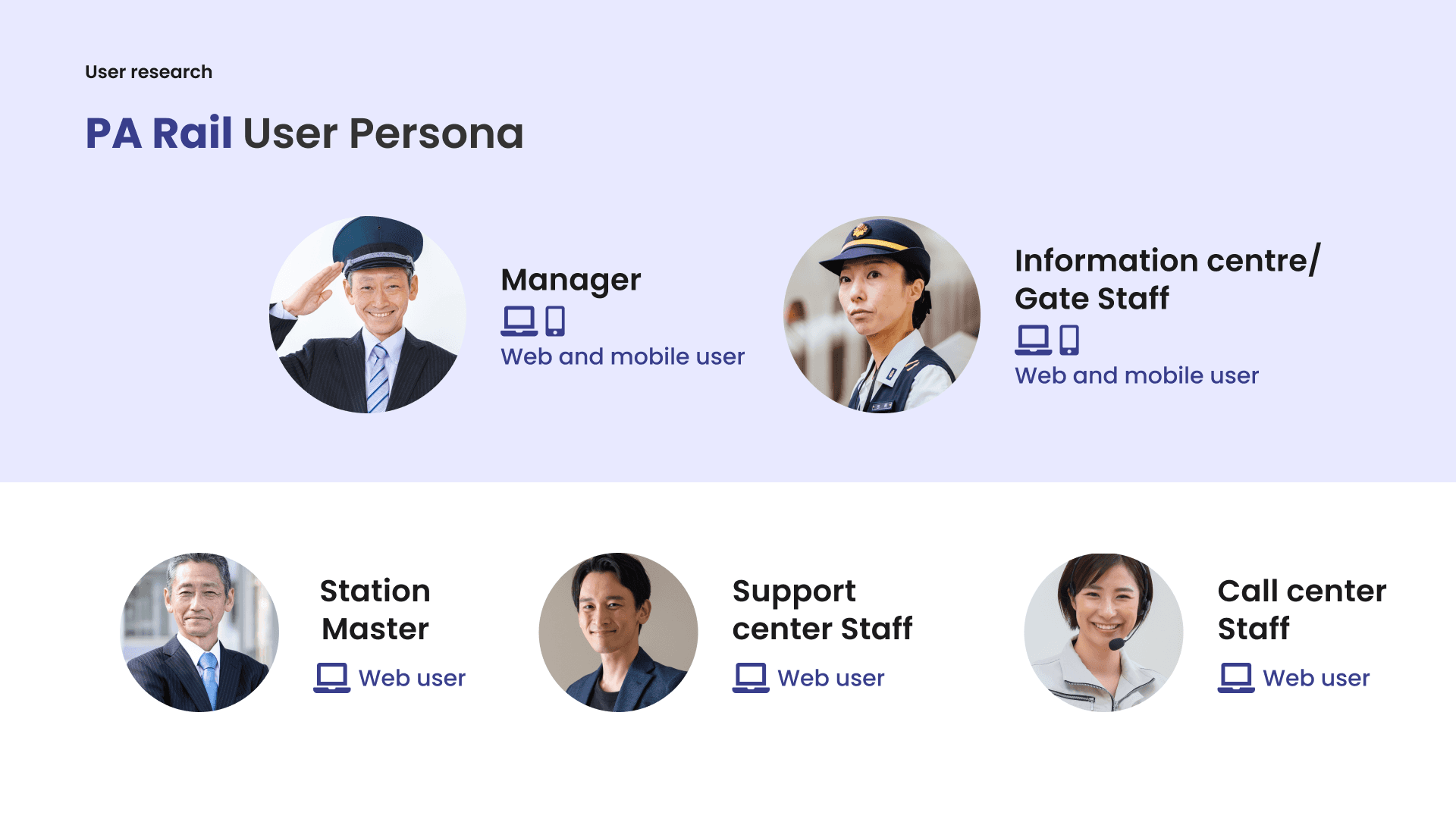
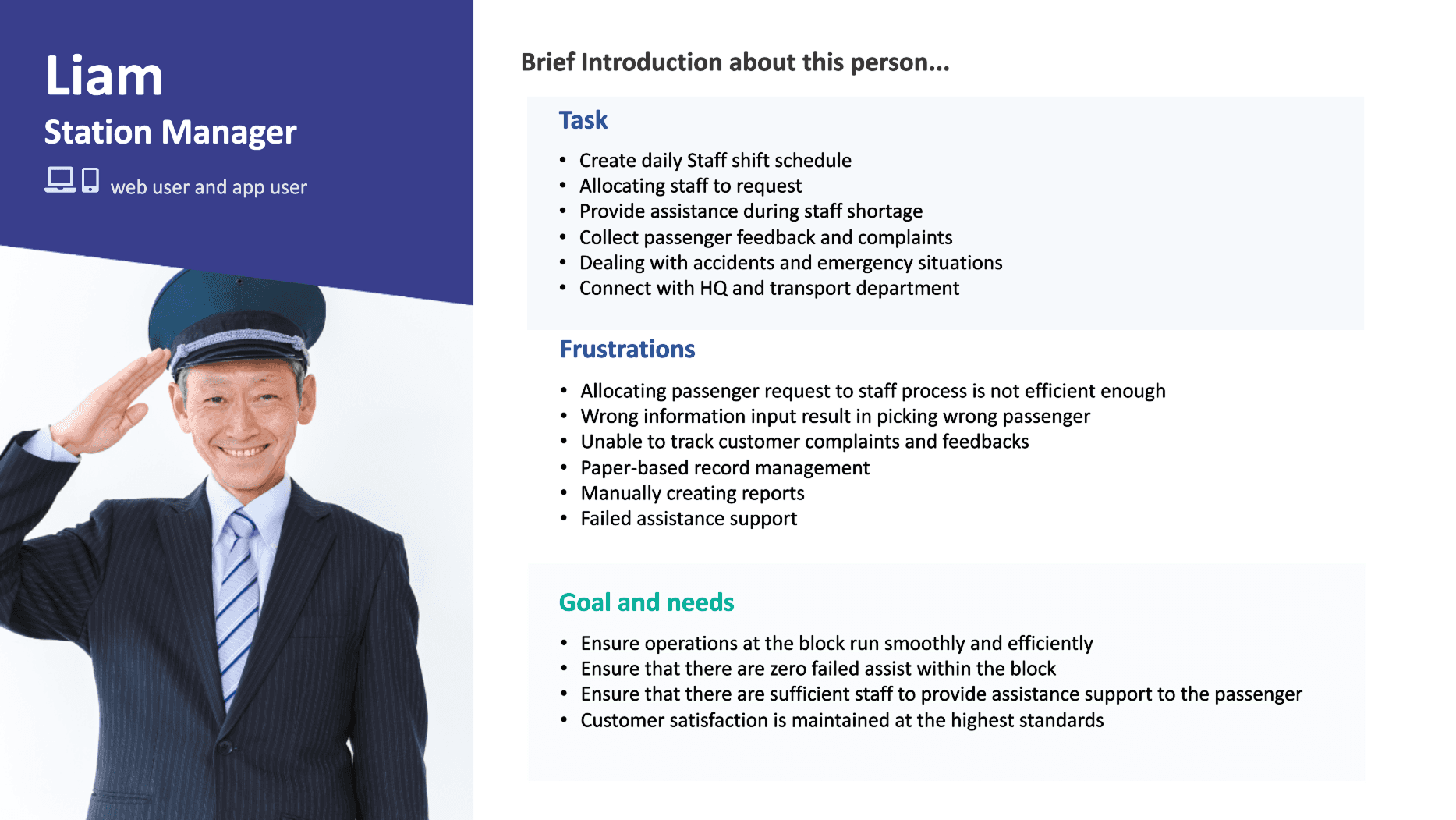
I created shared artefacts (personas, journey maps, operational diagrams) to align Transreport and Hankyu teams and make complex workflows visible., building a common visual language that bridged operational differences.
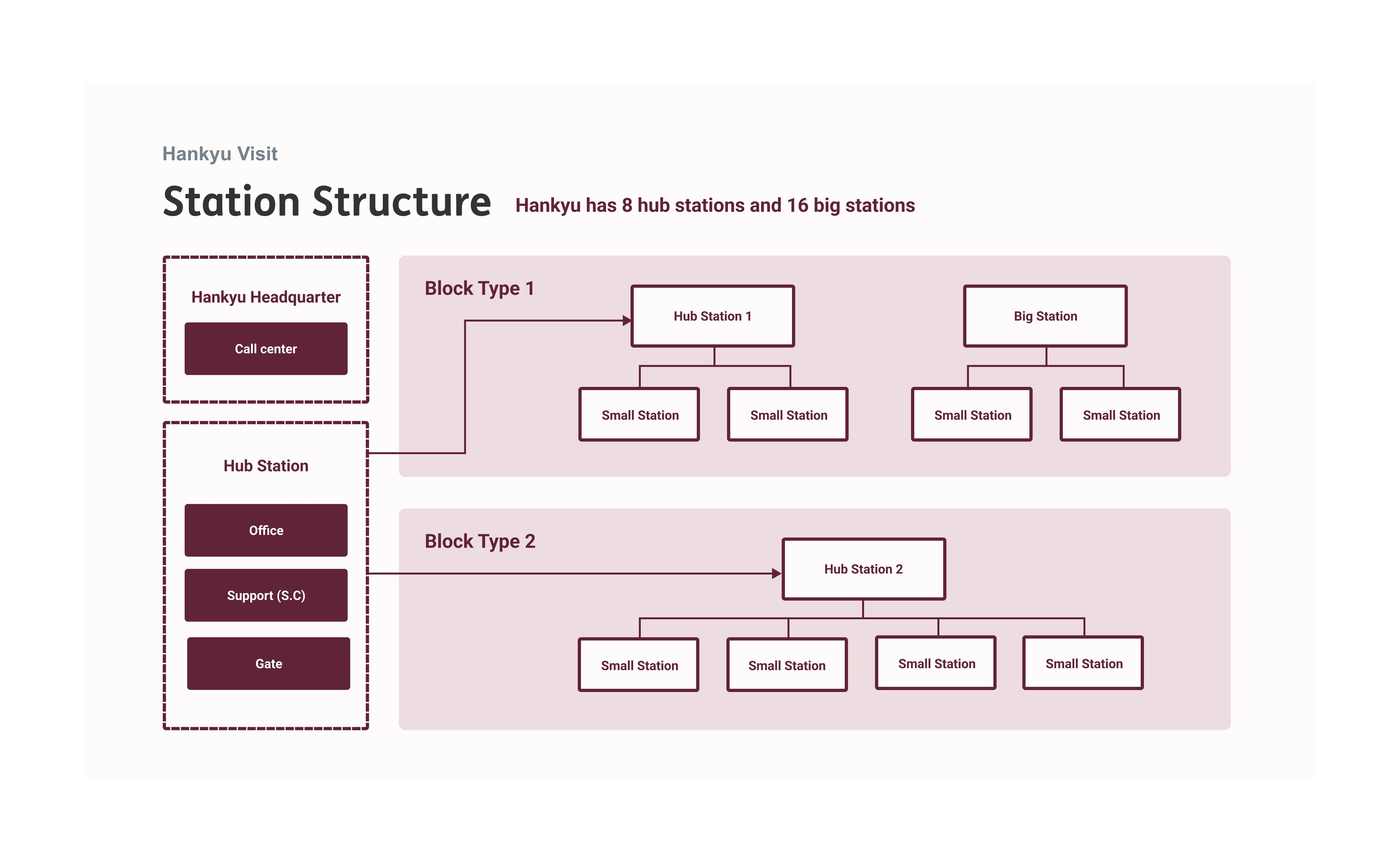
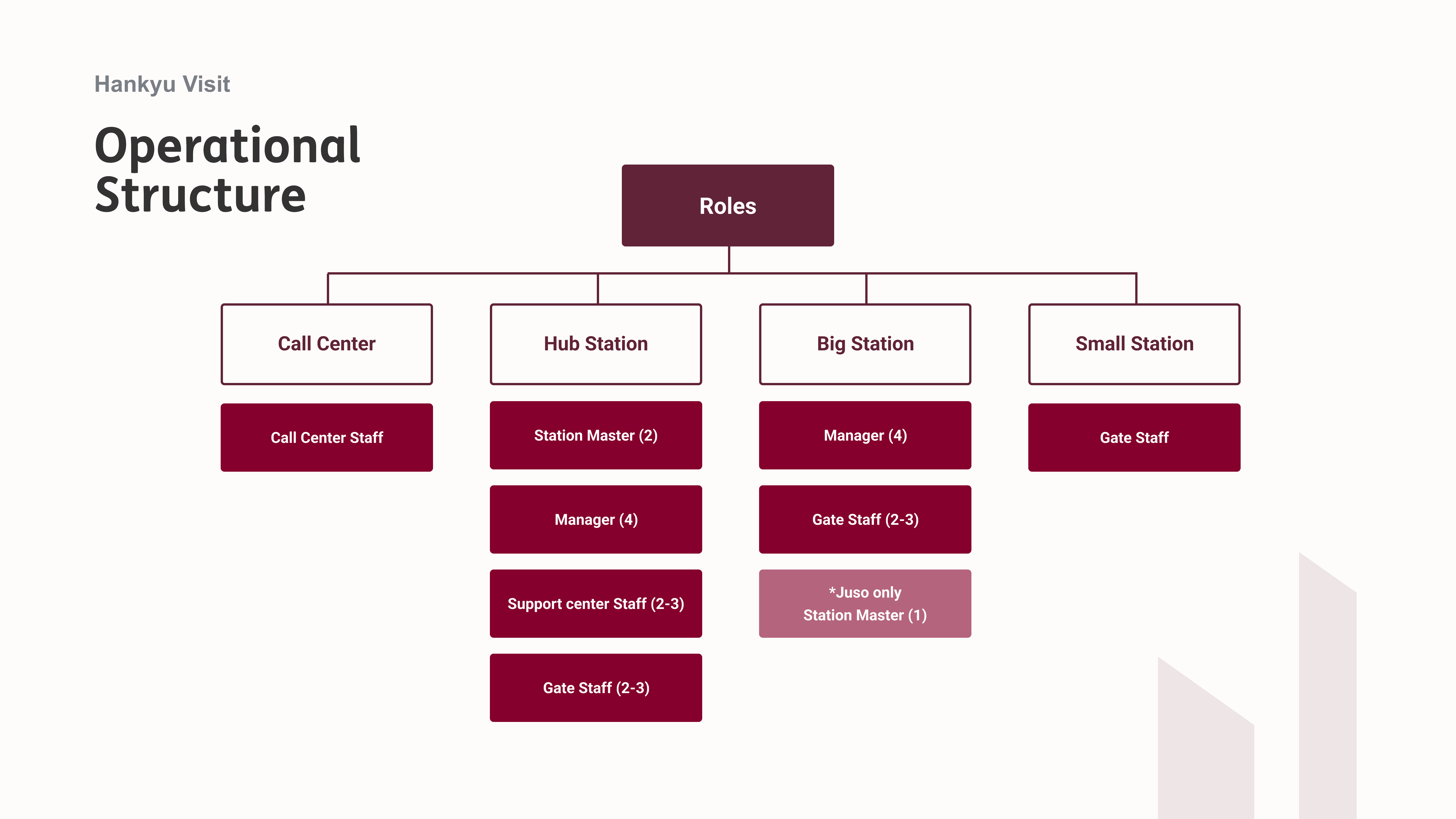
Two distinct user roles emerged from the research, each with different goals, pressures, and definitions of success. Rather than optimising for one and accommodating the other, a decision that shaped the information architecture and permission model.
Station Manager — needed oversight : tracking service quality, monitoring resourcing, and intervening when things went wrong.
Gate Staff — needed execution: delivering assistance, communicating with passengers, and moving through requests under time pressure.
What united them was a high-pressure, multitasking environment where minimising errors and working efficiently were non-negotiable. The personas and journeys I built captured this shared context, but the design decisions flowed from the different user flows.
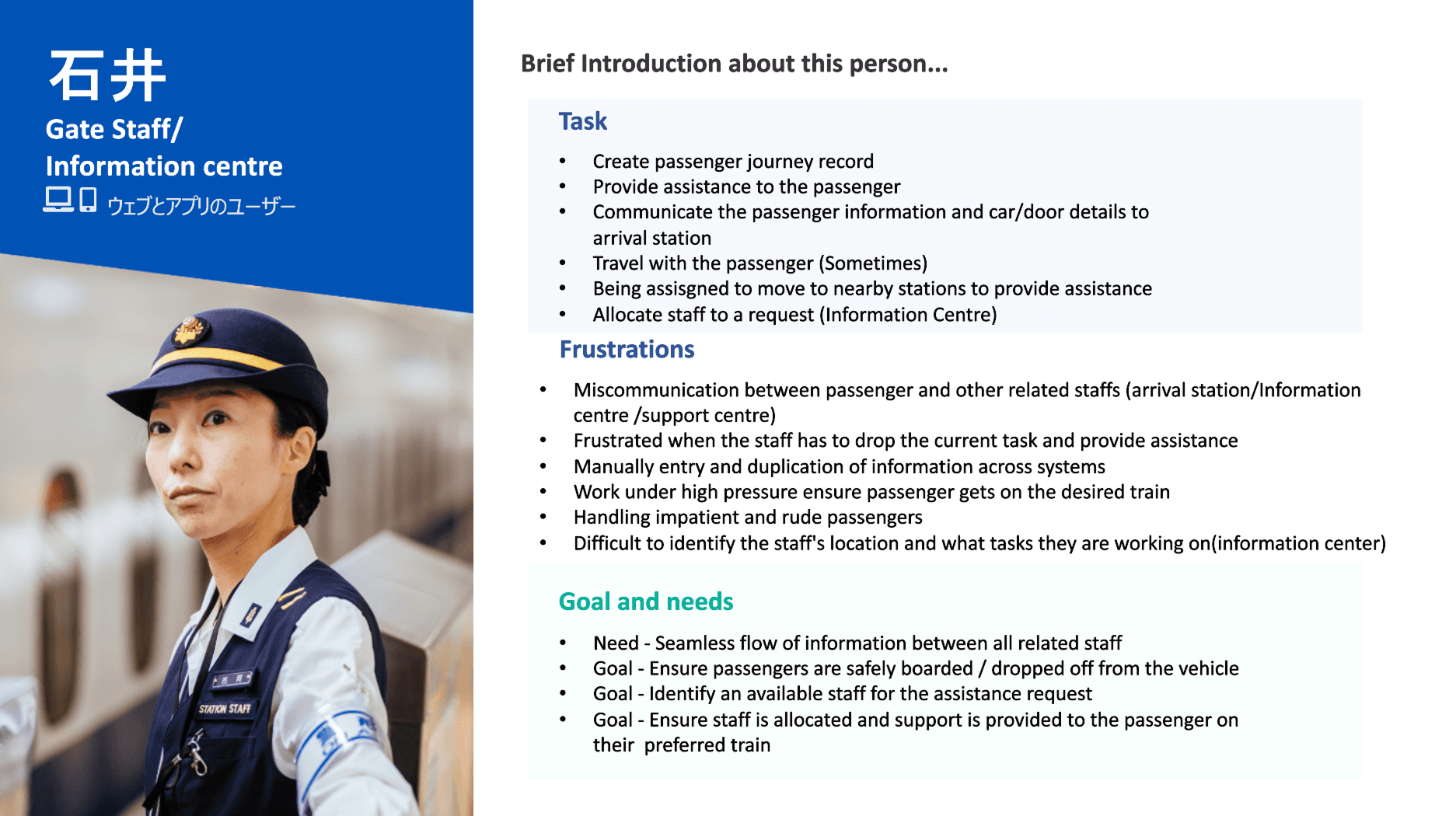
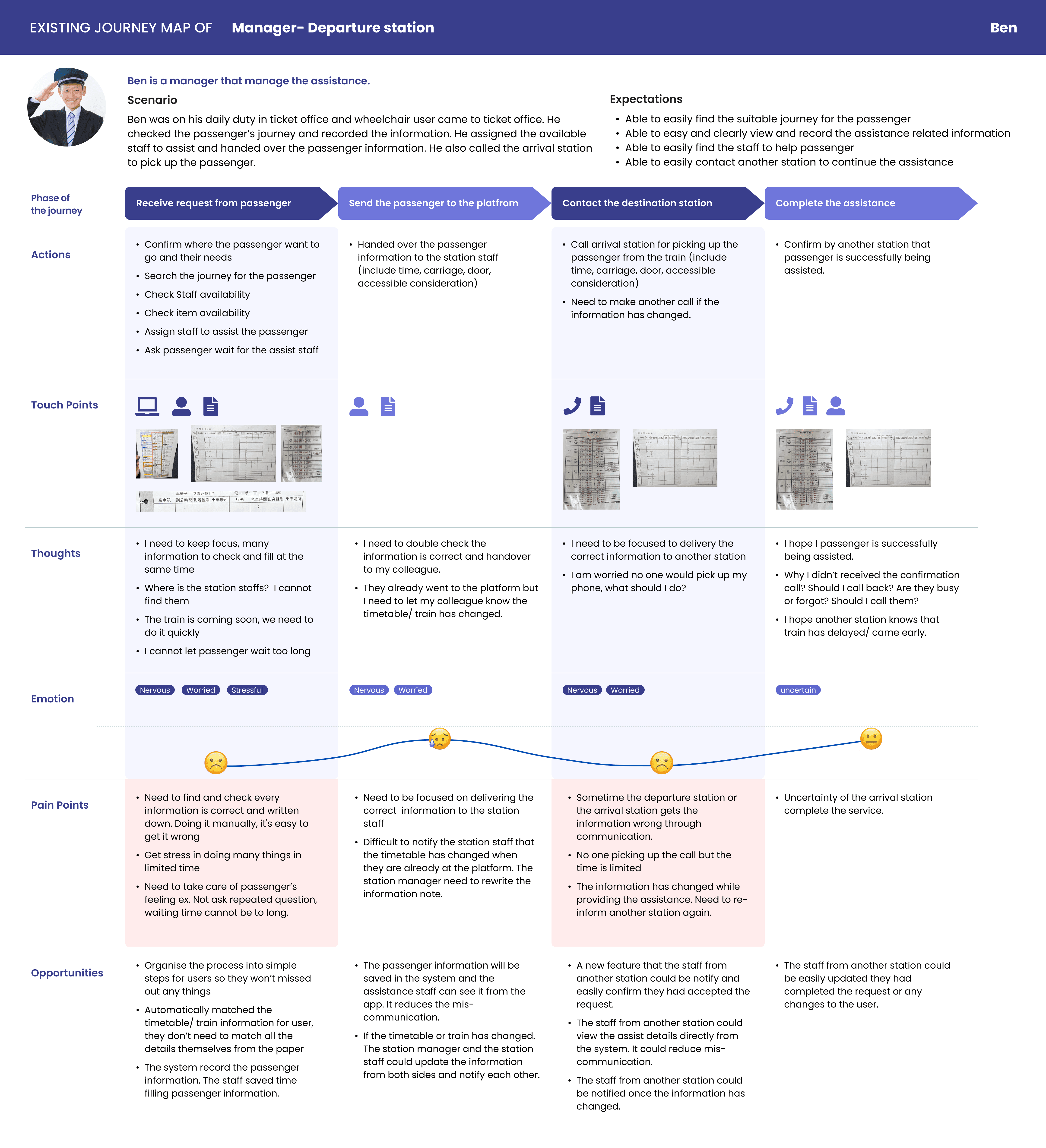
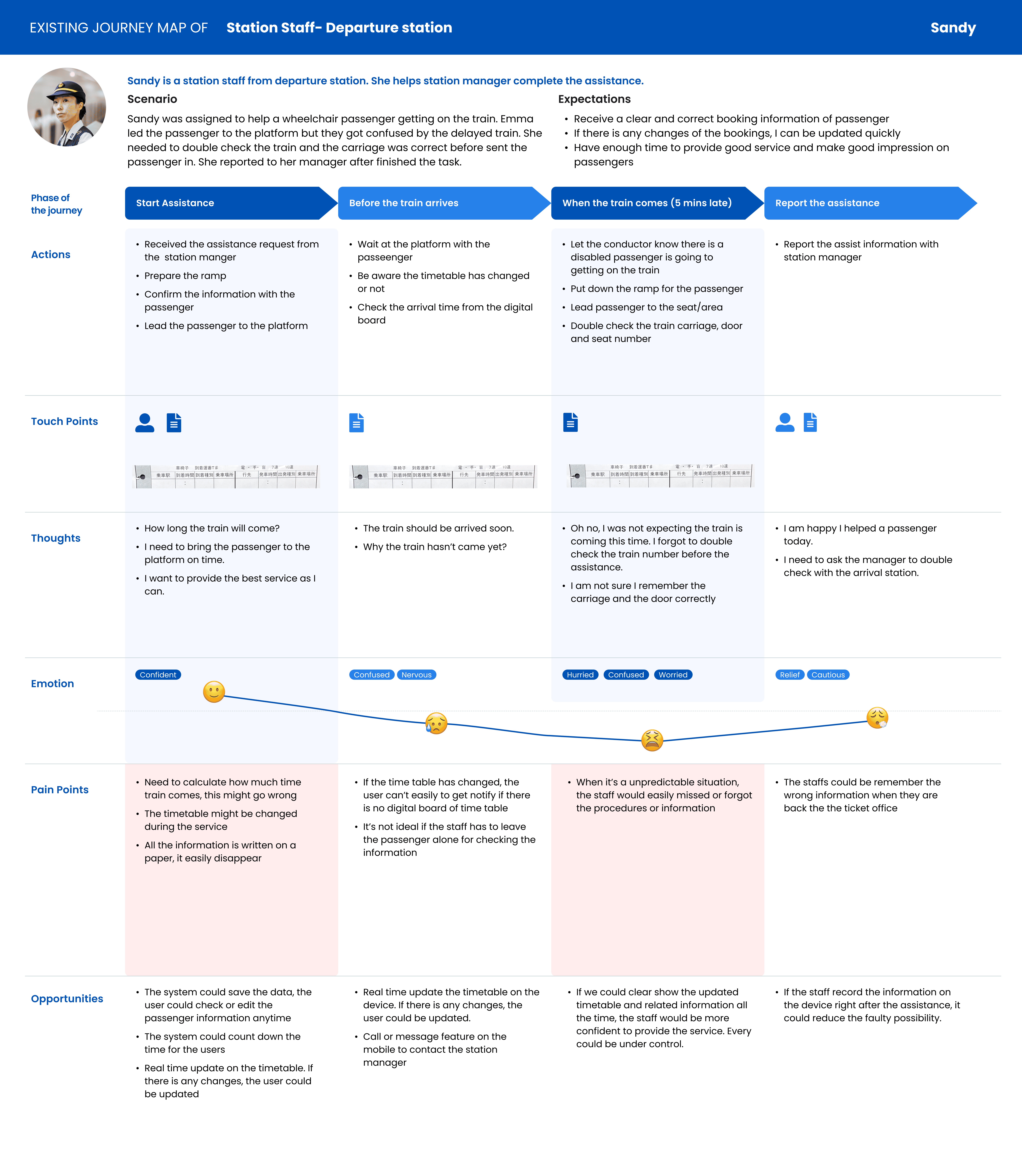
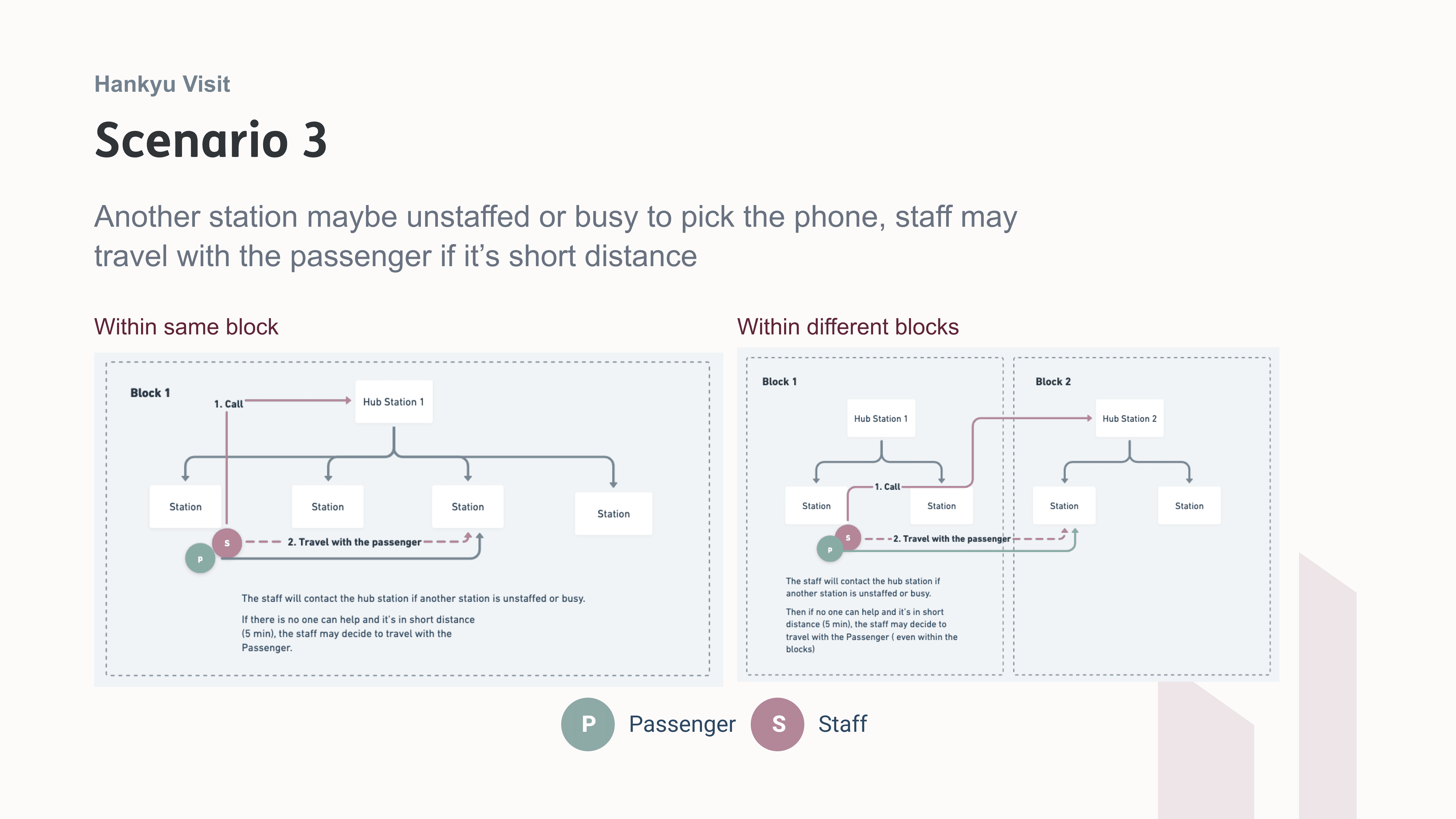
Furthermore, I created clear diagrams for edge cases to make the complexity visible and give the team a shared reference point for design decisions, helps us cover the high-risk scenarios and reduce the chance of failed assistance.
From client–vendor to genuine partnership
Rather than one side leading and the other adapting, the process became genuinely collaborative. The Transreport team brought product and accessibility expertise; the Hankyu team brought deep operational knowledge and an uncompromising standard for passenger experience. The strongest design decisions came from the intersection of both — not from compromise between them.
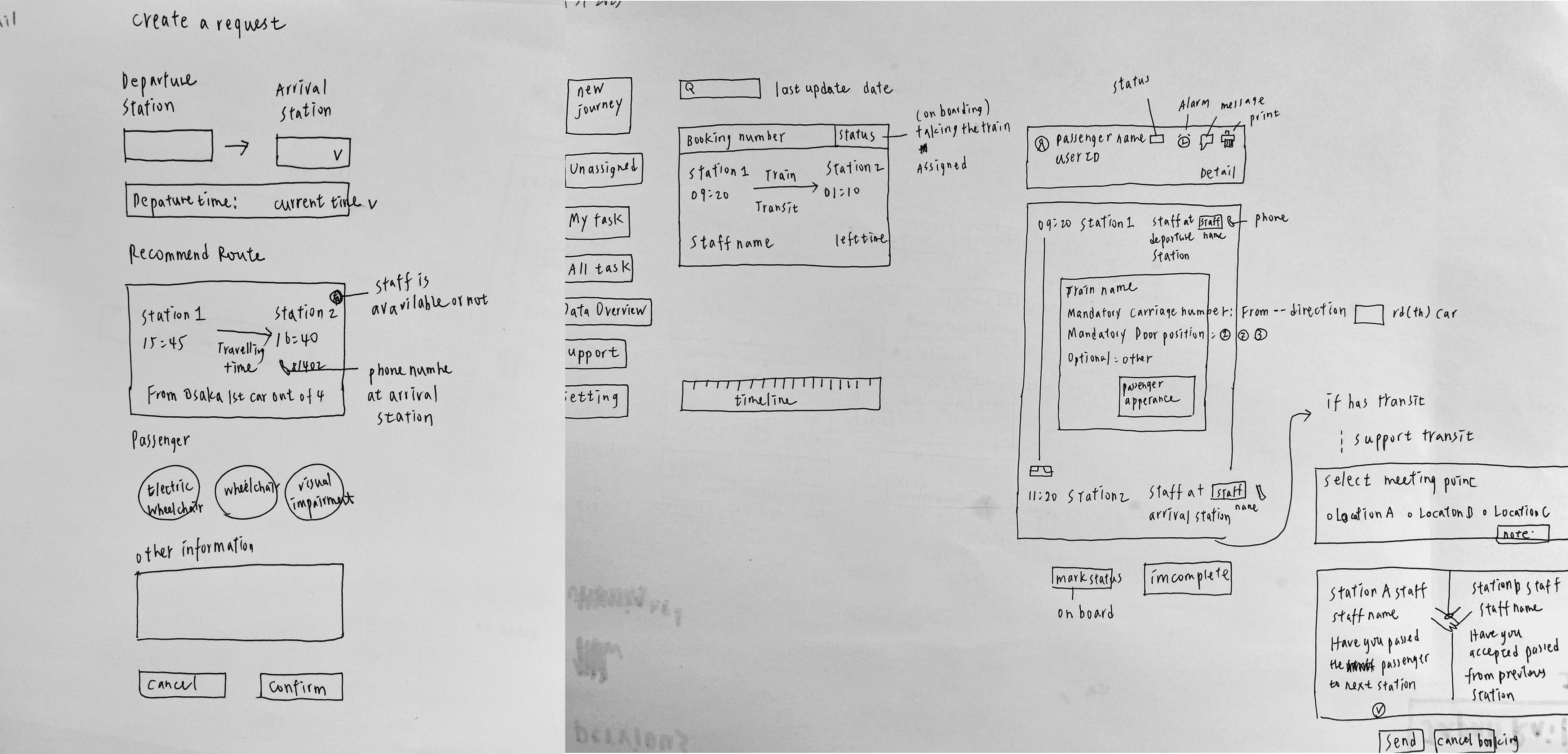
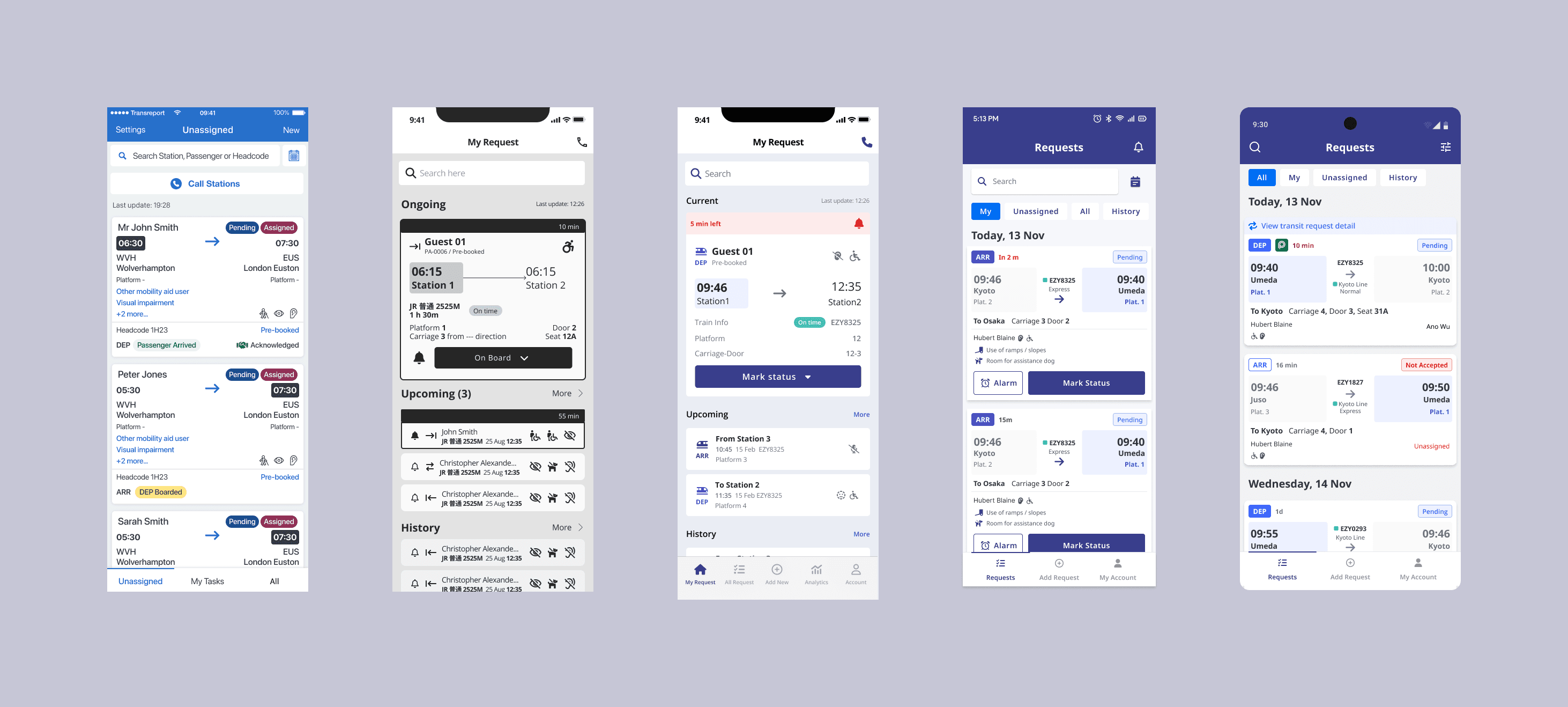
Before launching the MVP, I led a series of validation sessions with our Japan-based colleagues — surveys, interviews, and usability testing on the core flows.
The primary features were usable, but several friction points were costing staff time. The biggest was the assistance request creation flow: too many optional fields and no clear sense of priority.
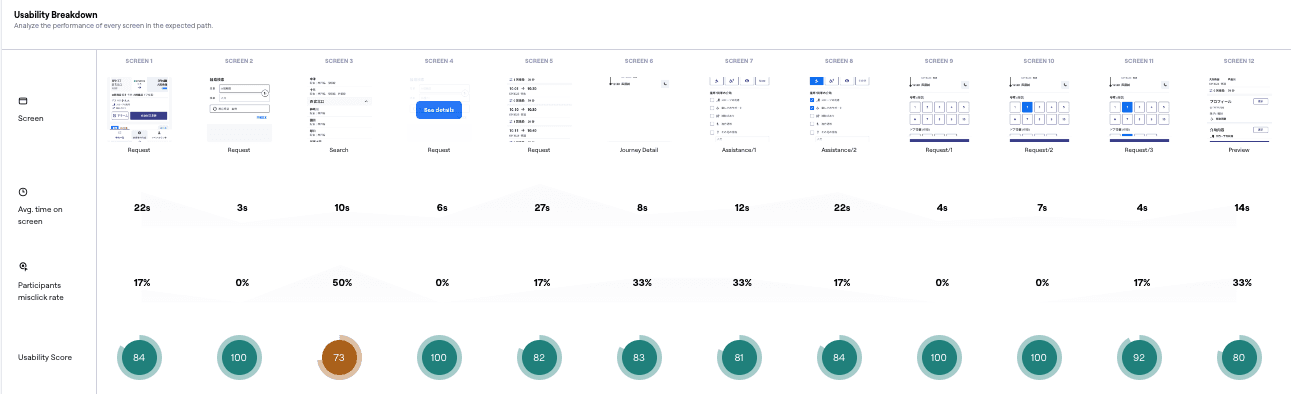
We made four changes — removed optional fields, broke the flow into one page per action, anchored key interactions at the bottom of the screen for comfortable one-handed use, and introduced pre-defined options to speed up data entry. Request creation time dropped from 60 seconds to 30. A 50% reduction across the most-used flow in the product.
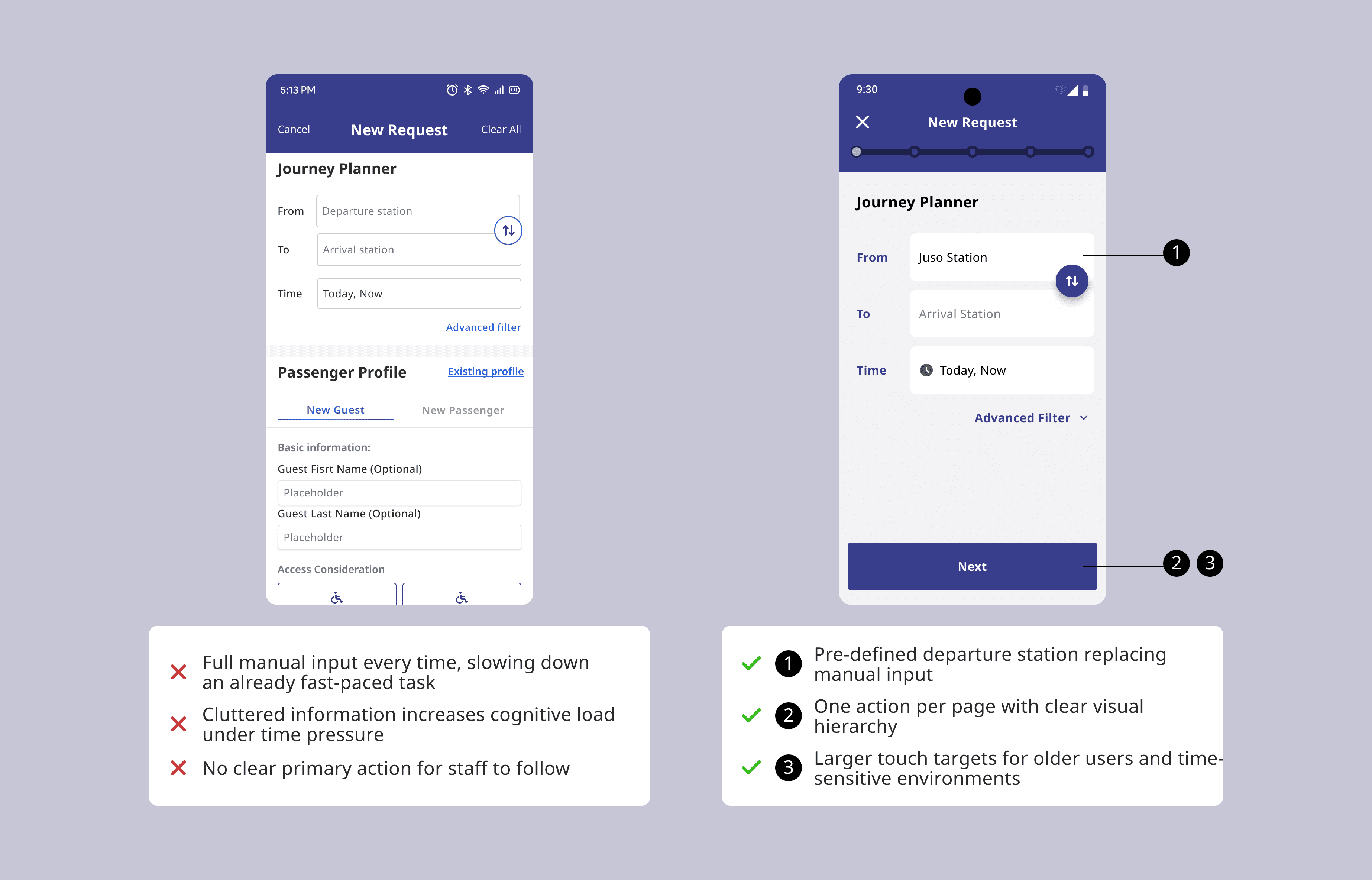
Iteration on the findings
End-to-End Workflow
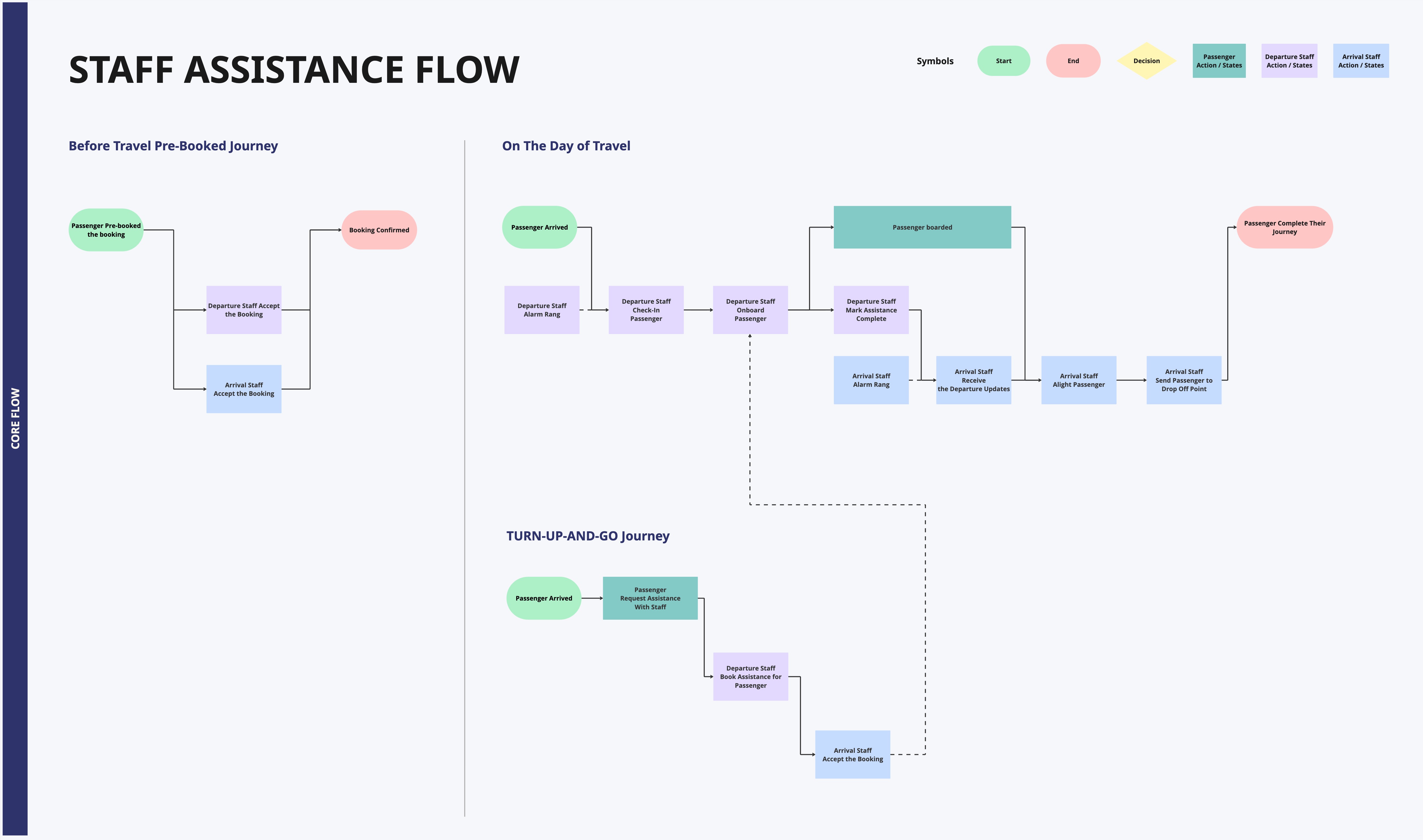
The operational flow was complex — multiple staff members coordinating across departure and arrival points, with different paths depending on whether the passenger booked ahead or turned up on the day. I simplified it to a single high-level core flow that the team could understand at a glance, keeping secondary flows (assignment, decline-request, and other edge cases) in separate diagrams so they didn't dilute the main view.
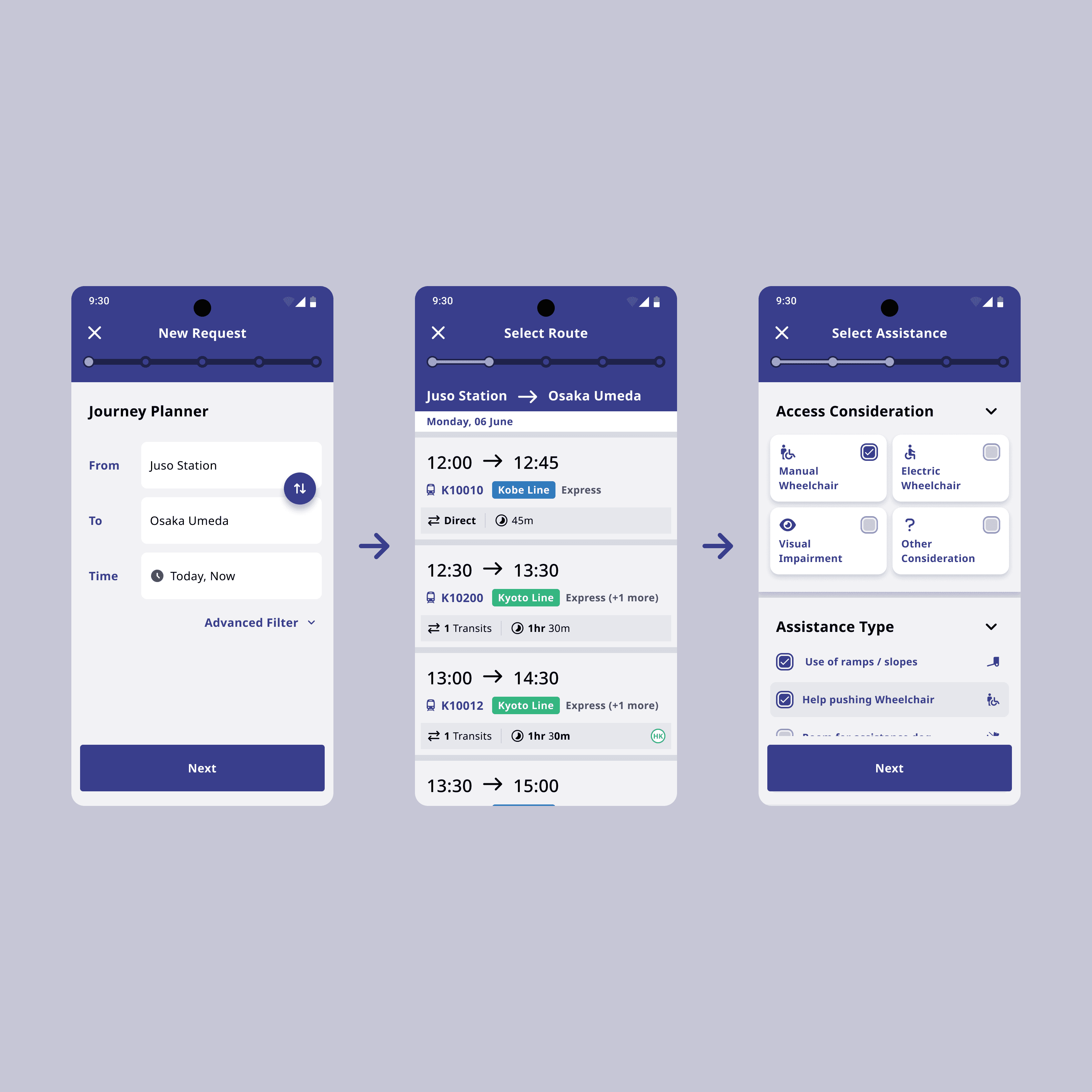
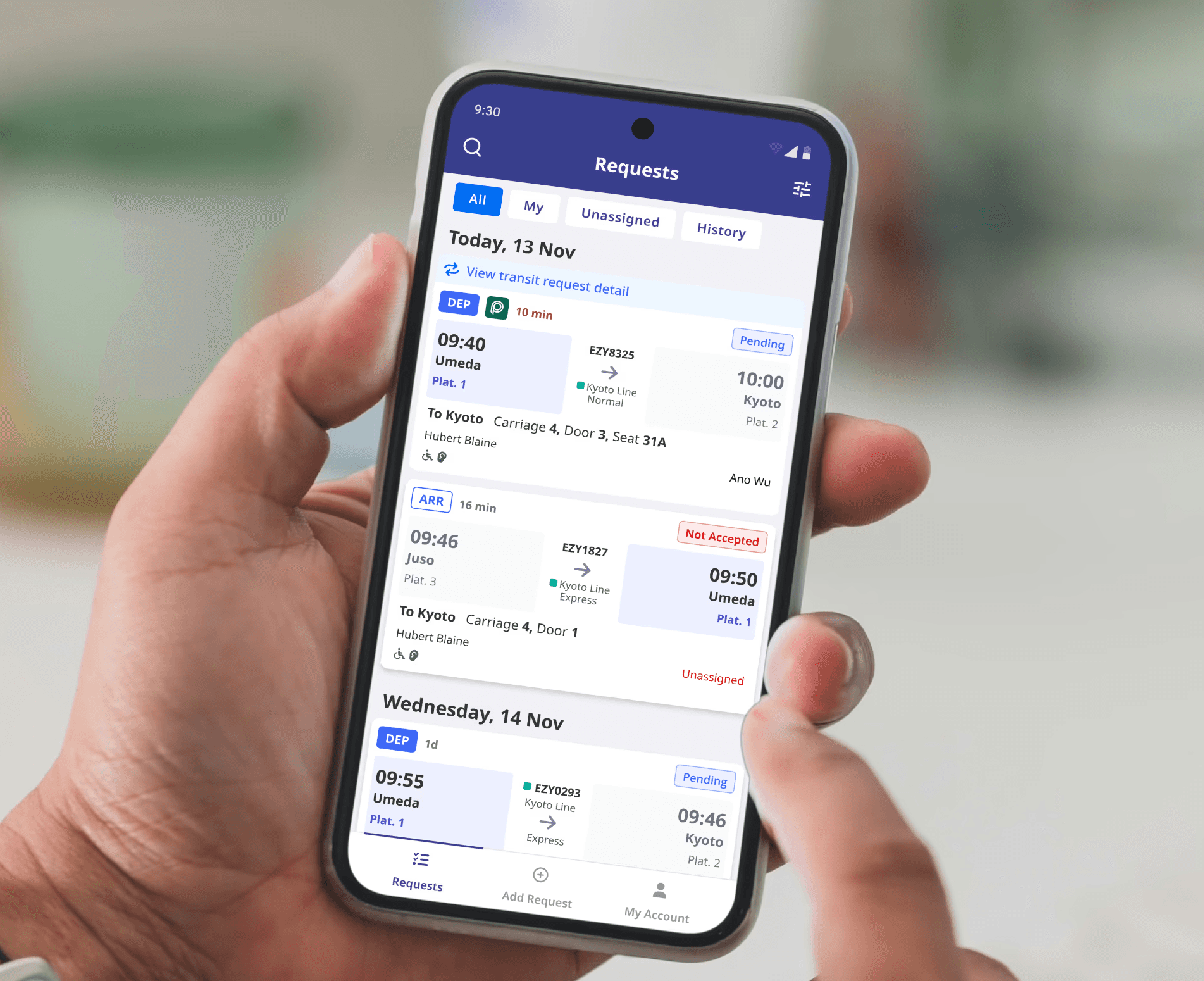
Assistance Request Creation
Staff create a passenger assistance request in 30 seconds — half the time of the original flow — at the moment a passenger arrives to catch the next train. Common fields are pre-filled, and the remaining details are captured in a structure the receiving staff member can act on without a verbal handoff.
Passenger Assistance Management
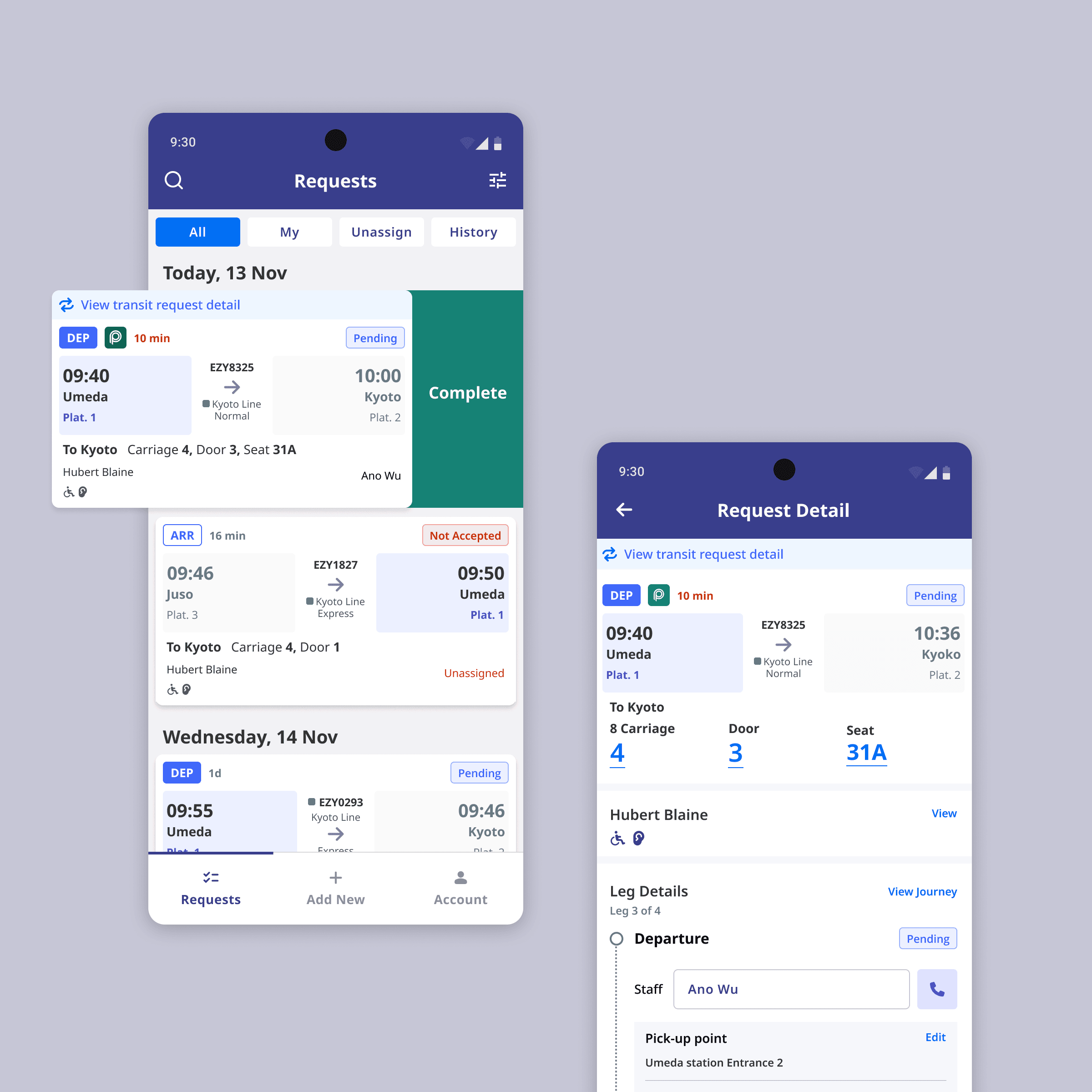
Every assistance request is logged and tracked in one place, in real time. Managers see all active requests across the station; gate staff see only the ones assigned to them. Gesture controls — swipe to update status — let staff act on requests without opening a full screen.
Auto Alarm System
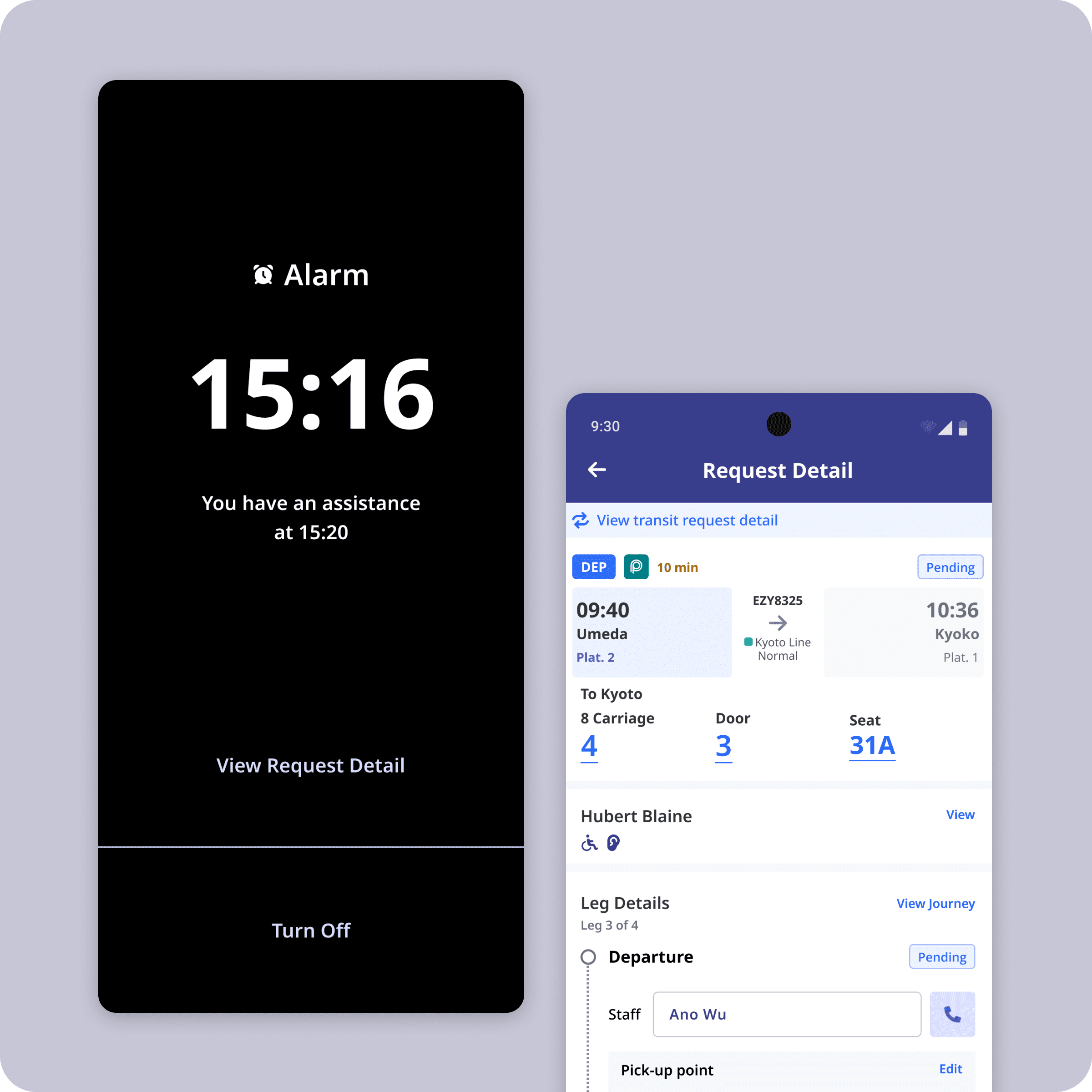
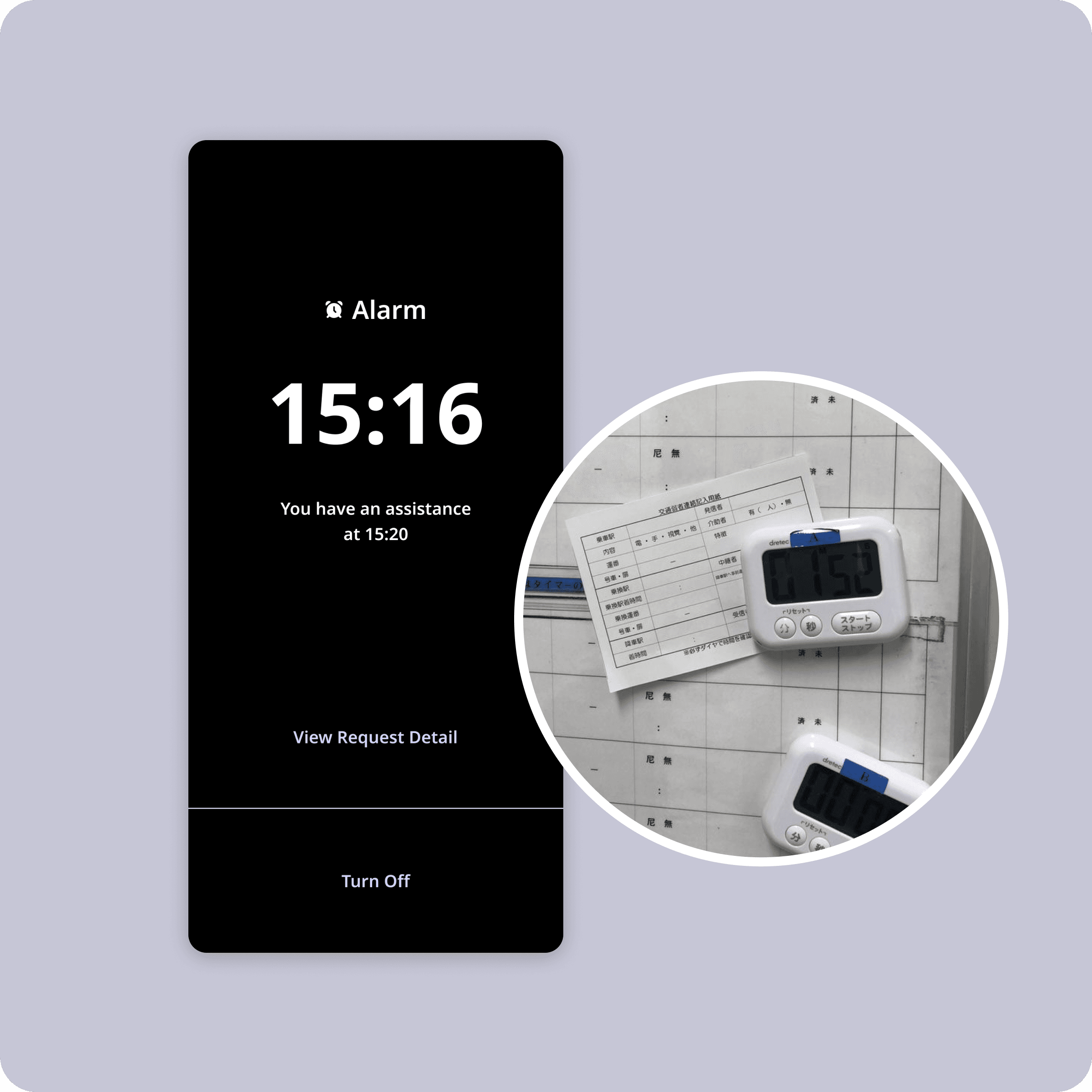
Previously, gate staff set individual kitchen timers by hand for every request, calculating each alarm time from train arrival schedules. The system now generates the alarms automatically — one per request, timed to surface exactly when the staff member needs to act.
Notification Flow
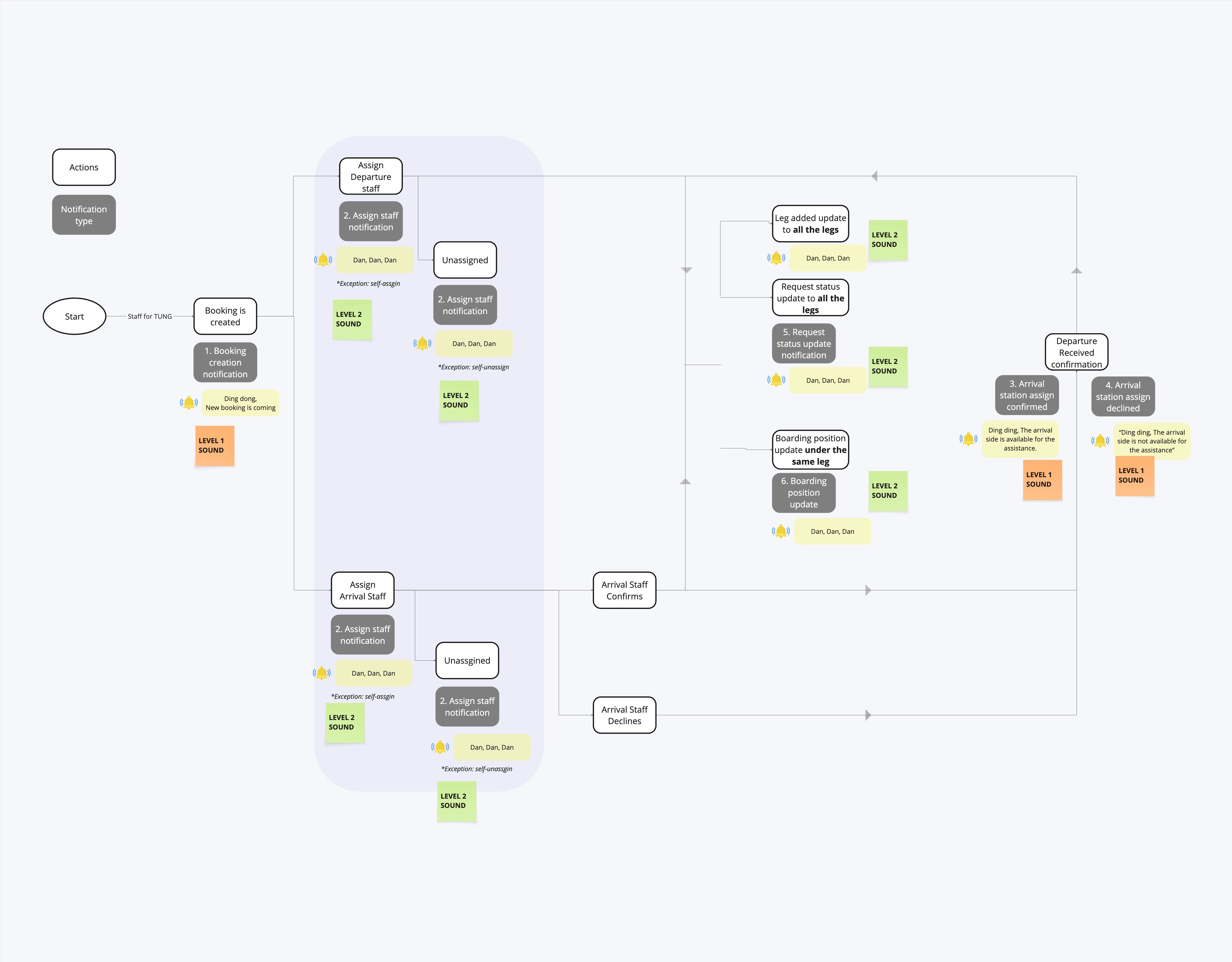
Building on the auto alarm system, I designed a notification flow that determined when staff received alarms versus push notifications — making sure the right message reached them at the right time. In collaboration with the client, we also designed distinct ringtones for urgent and non-urgent alerts.
As a 0→1 project, the results spoke for themselves. We collected data six months after launch through station visits and user testing sessions. Beyond the metrics, the project established Transreport's first foothold in the Japanese market — demonstrating that accessible transport design can cross cultural and regulatory borders when rooted in genuine research, co-creation and iteration.