Passenger Assistance — Designing Trust Across Borders
End-to-end accessible travel across UK and Japanese rail networks, serving 8M+ journeys a year
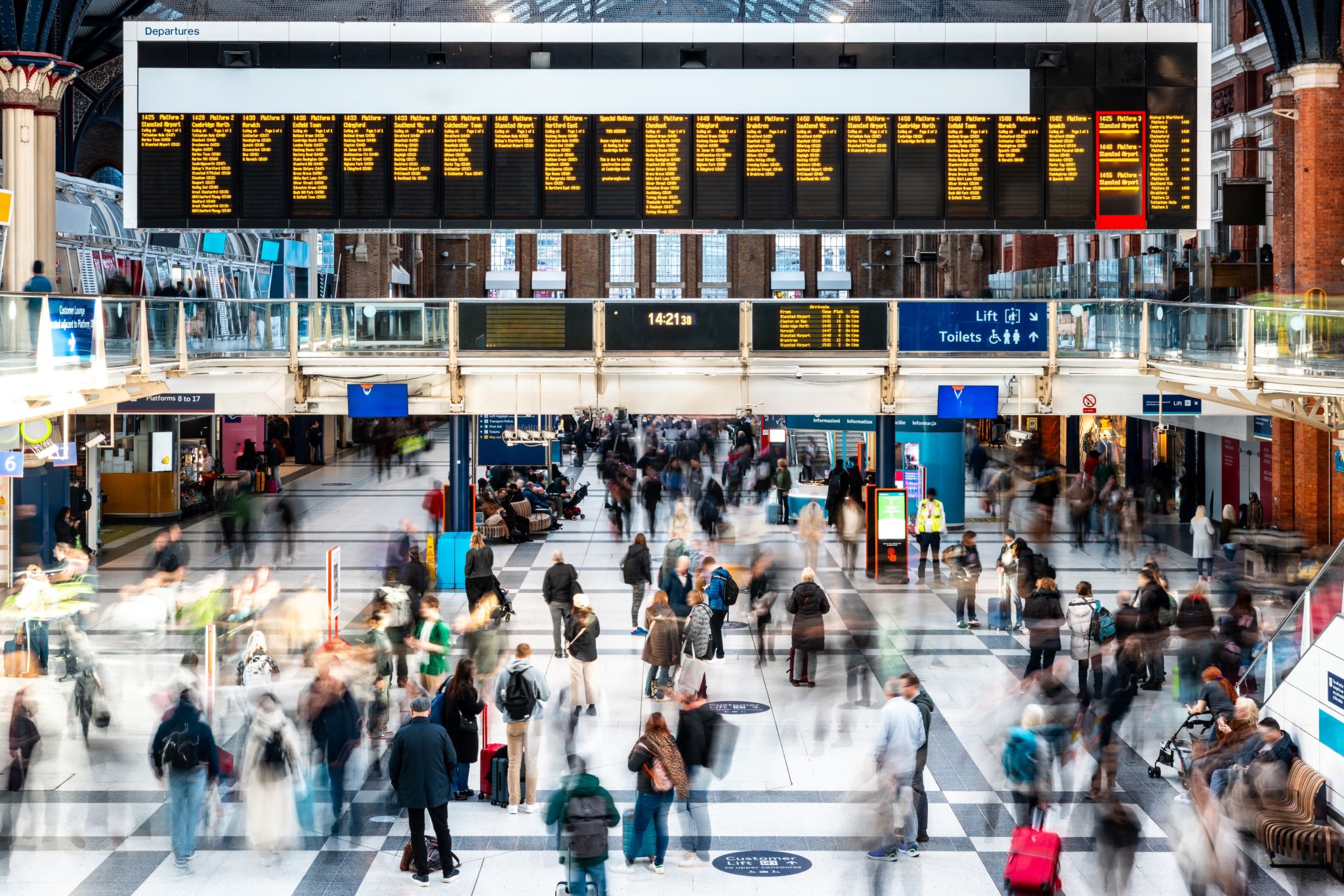
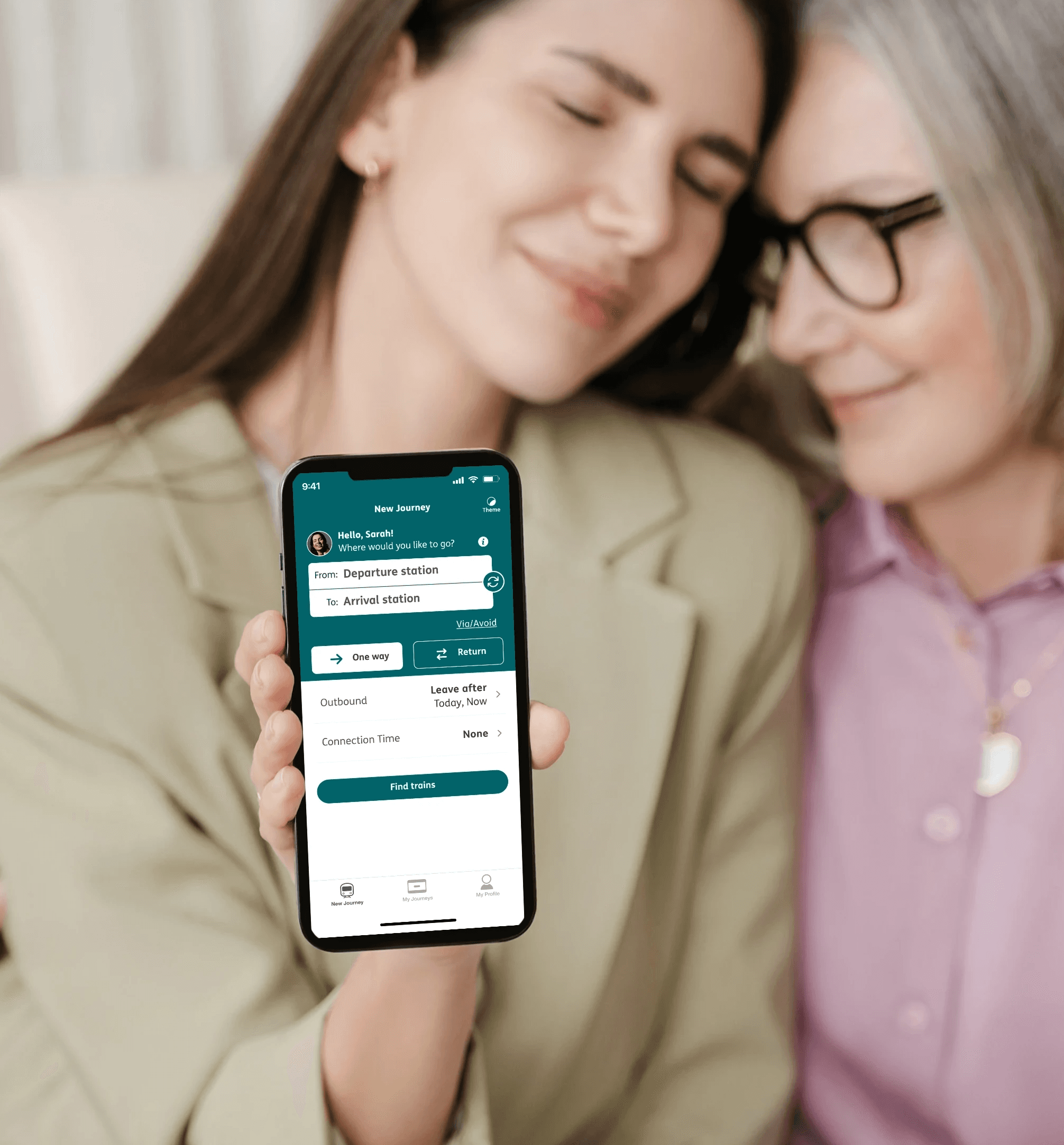
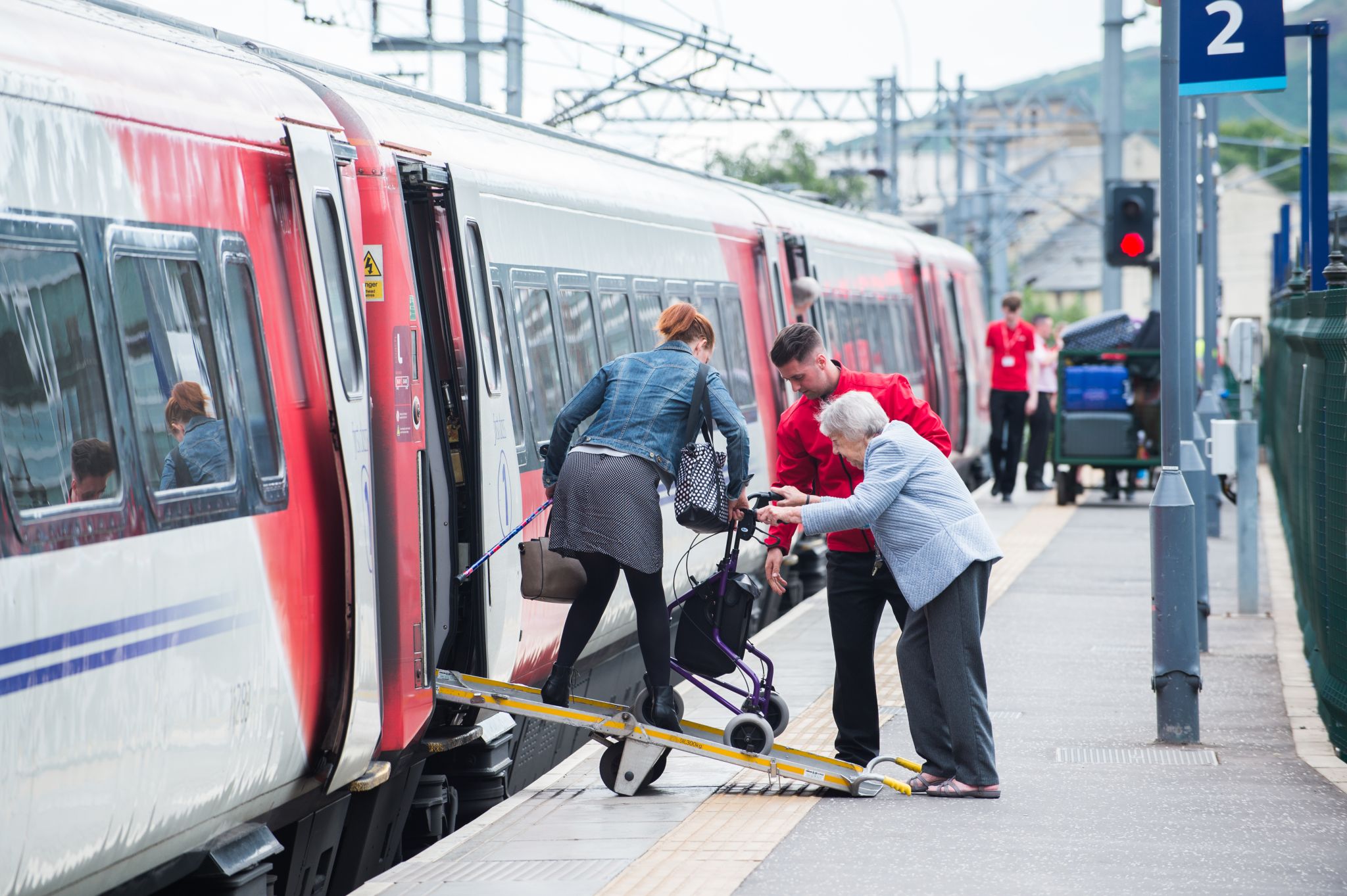
Company
Transreport
Product
B2B2C mobile app / web
My role
Senior Product Designer (acting lead)
Led 2 designers across UK iteration and Japan 0→1 launch
Scope
Product strategy · Accessibility · Cross-cultural UX · Design systems
Duration
UK Sept 2024 – present
Japan 0→1: May 2024 – May 2025
Market
UK (Live) · Japan (Live)
Passenger Assistance — Designing Trust in Public Infrastructure
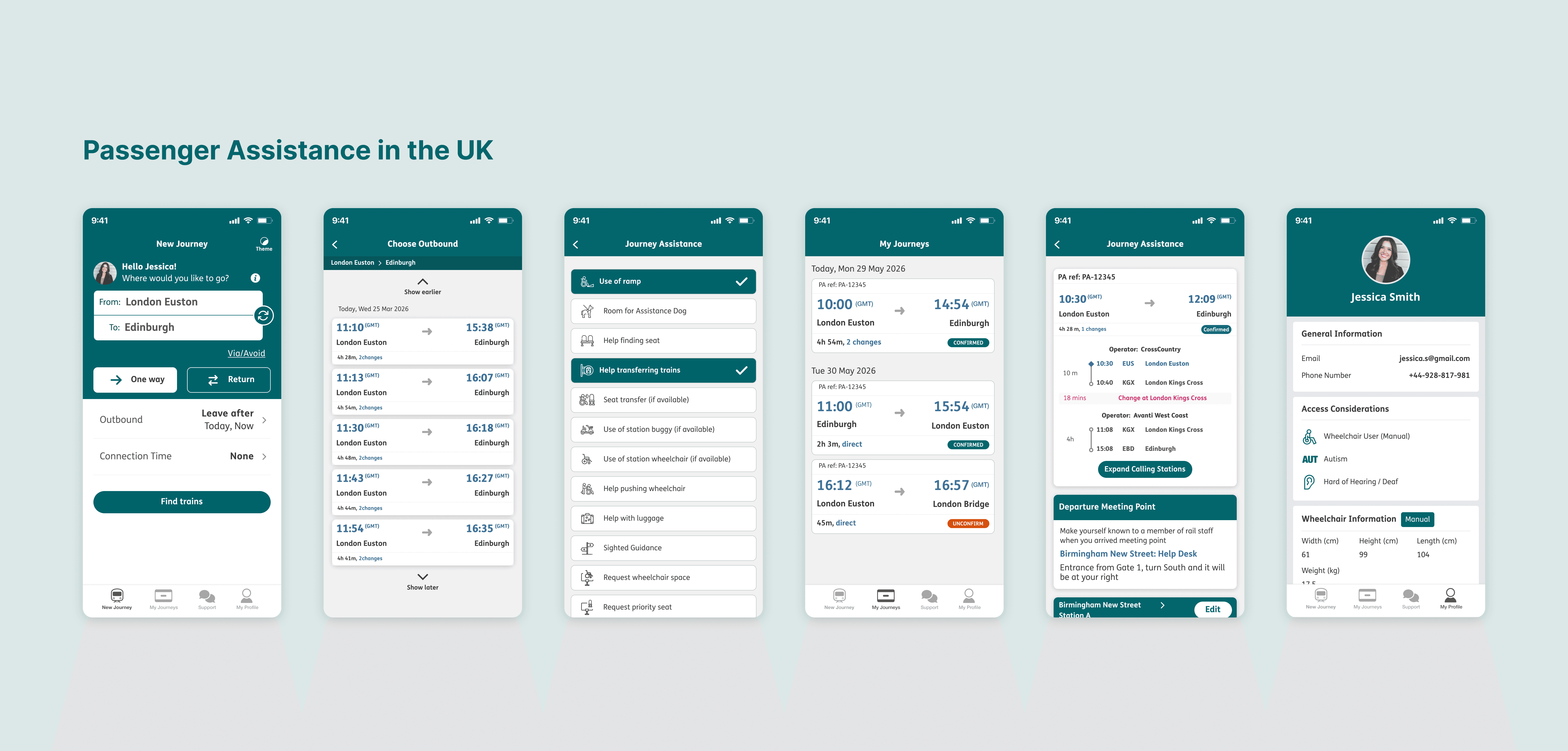
Passenger Assistance supports millions of accessibility journeys across UK rail networks. As the product expanded internationally into Japan, the challenge shifted from improving screens to designing an operationally reliable system that passengers, station staff, and rail operators could trust across cultures.
I led product design across UK optimization and Japan 0→1 launch, balancing accessibility, operational constraints, localization, and service scalability.
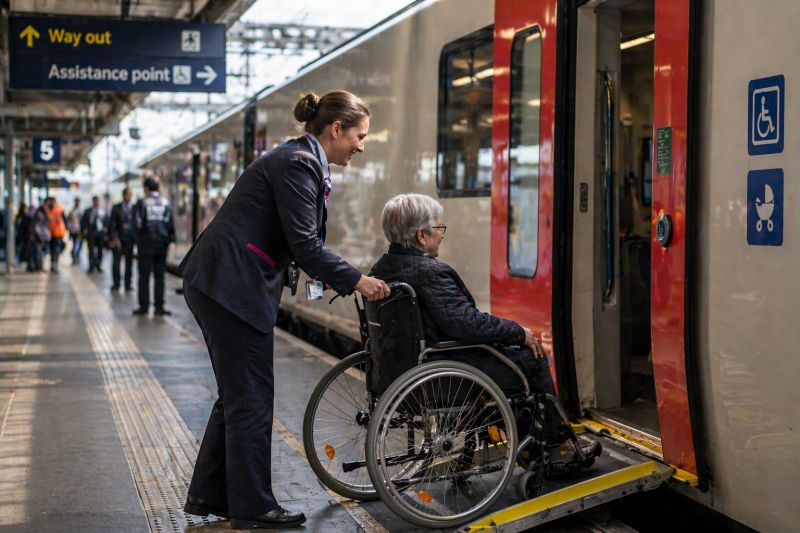
1M+passenger
8M+ Bookings /year
20+ train operators
4.8 star in apple store
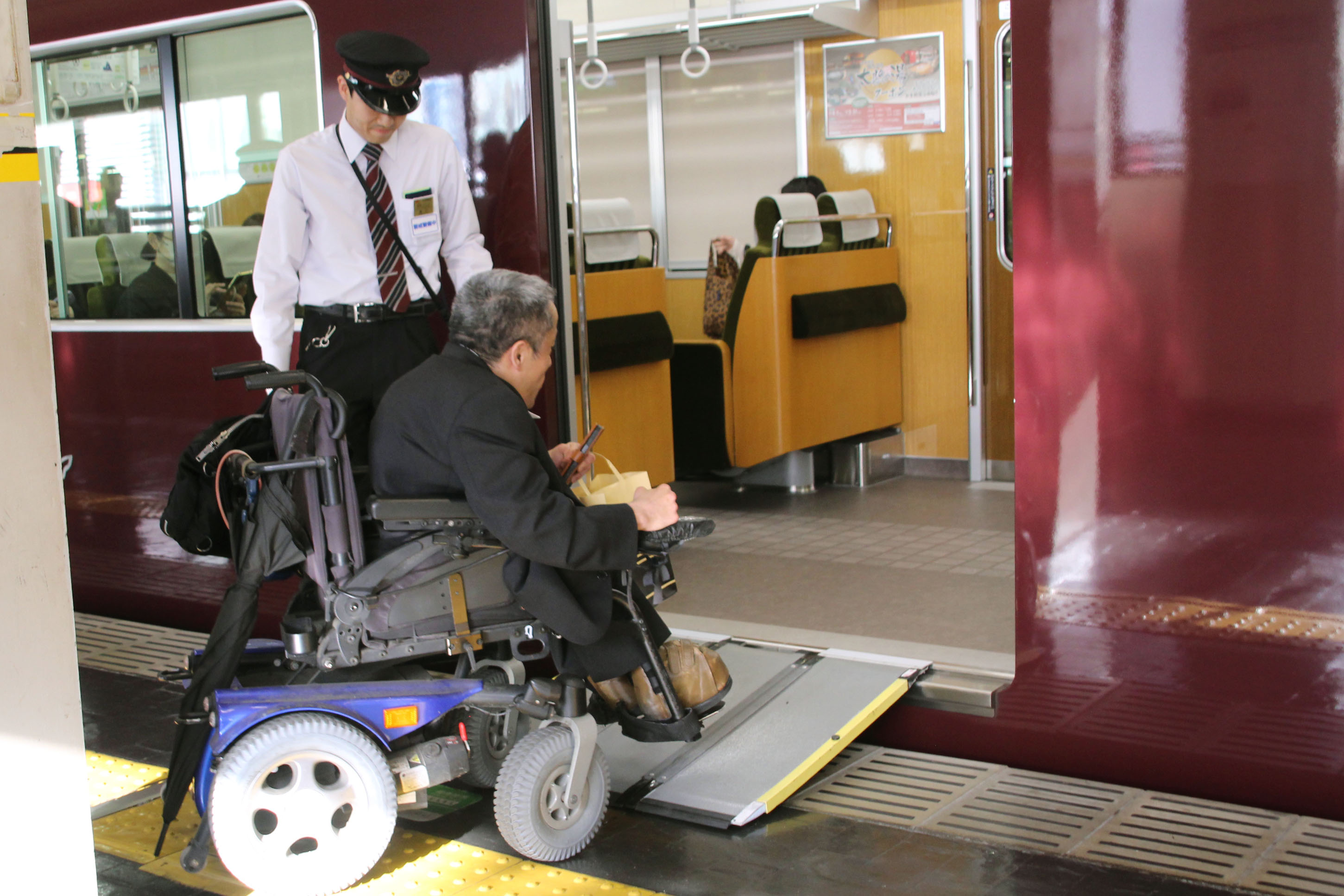
Launched in Japan with Hankyu Railway across 88 stations in 2025
Discovery 10+ opportunities for the product iteration
Unlocked company's global business
For the business
Driving User growth (UK)
Building awareness from zero (Japan / Global)
In Japan, the challenge was fundamentally different. There was no existing mental model for Passenger Assistance — the concept itself did not exist.
This meant the design had to go beyond usability — it needed to make the service feel credible, intuitive, and safe enough to try for the first time.
Deepen trust in the UK
Increase adoption and repeat usage while reducing over-planning — signalling that passengers trust and rely on the service.
Prove scalability beyond the UK
Use the Japan launch to test whether the model holds in a fundamentally different service culture, and establish a foundation for international expansion. Rather than improving an understood behaviour, the goal was to rediscovery and introduce a new one: that assistance could be requested, expected, and relied upon.
I owned experience strategy across UK and Japan, defining how trust should be built across the end-to-end journey.
Experience Strategy
Defined trust as the core product problem and aligned teams around it
Research Leadership
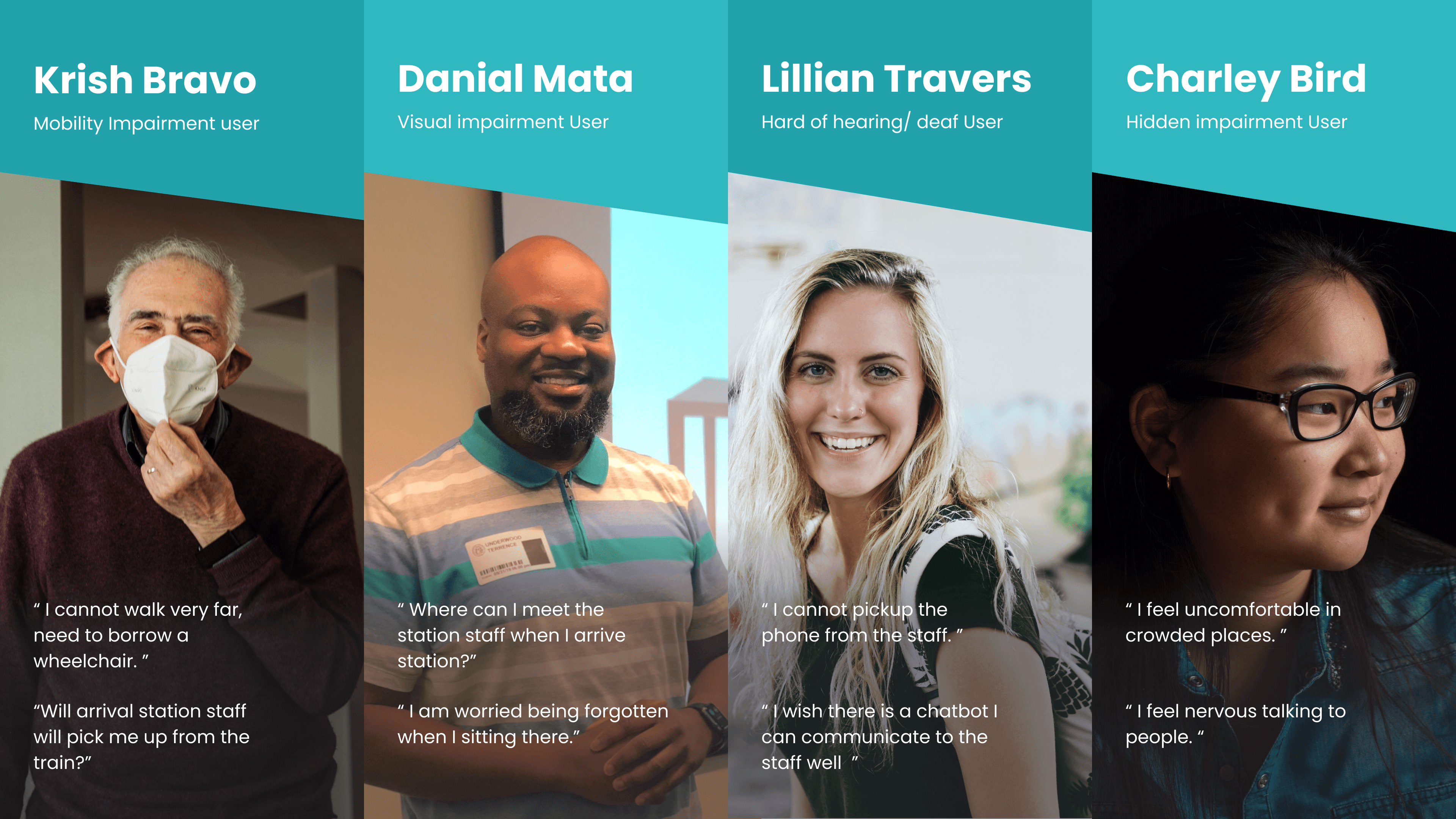
Led cross-market research to identify universal vs local needs
Product Leadership
Drove trade-offs across product, engineering, and commercial teams
Team Leadership
Managed 2 designers across parallel UK and Japan tracks
0→1 Delivery
Led Japan MVP from concept to launch across 88 stations
The aim
Not to optimise two separate products, but to define a repeatable model for building trust at scale.
Landscape overview
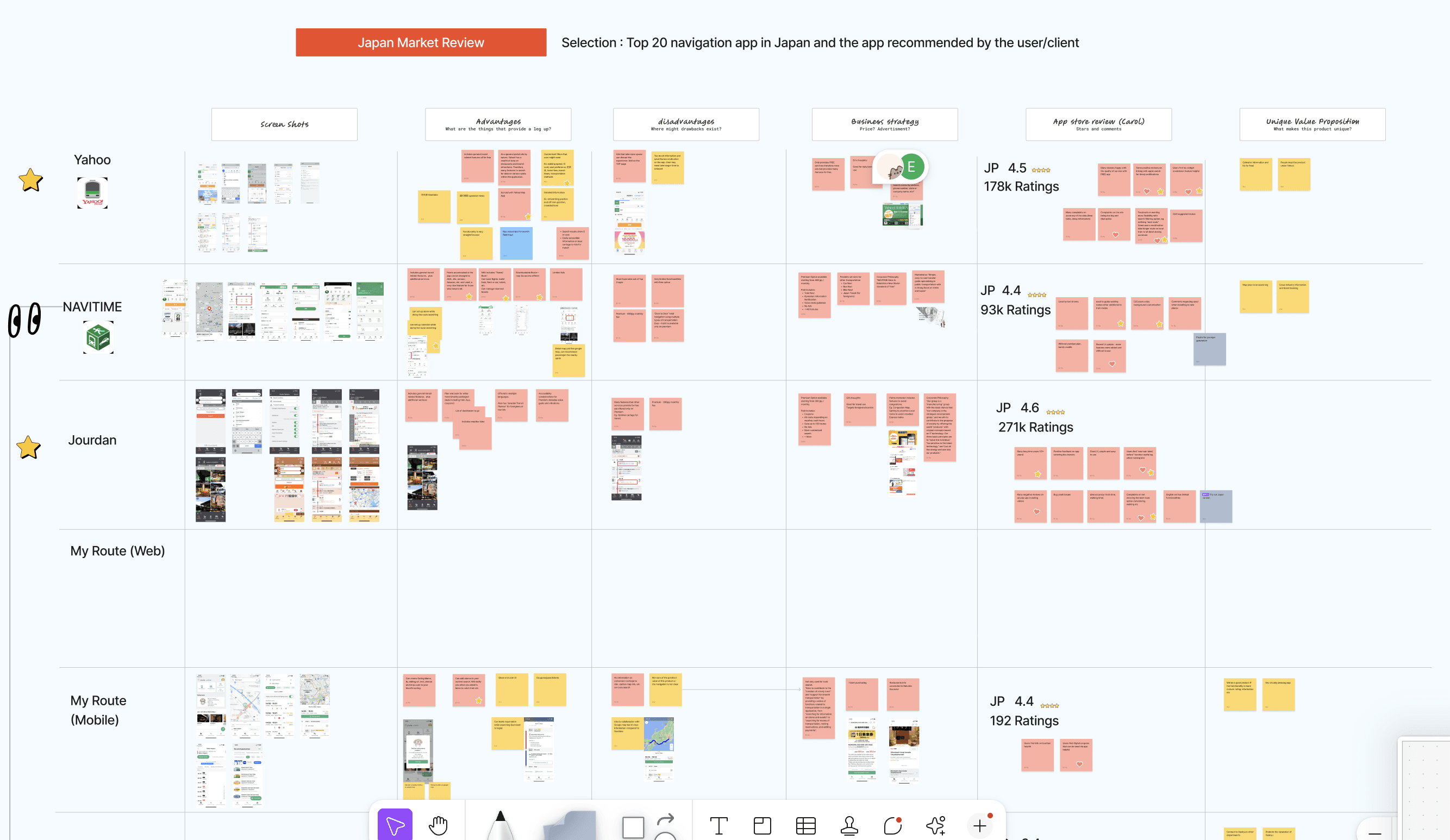
I led cross-cultural research across the UK and Japan, starting with a comparative analysis of B2C travel and accessibility products. The goal was to distinguish market-specific behaviours from universal needs — identifying what required localisation and what could scale.
Initial findings
Route search design follows a universal structure across both markets — but the way information is presented differs meaningfully. In the UK, passengers are shown all available options and make their own decisions. In Japan, products apply default filters to guide decision-making — for example, prioritising fastest journey or lowest cost — reducing the cognitive load of choice. This distinction shaped how we approached information hierarchy and defaults in the global product.
Research in the UK — diagnostic research on a mature product
In the UK, research focused on a live, mature product. I ran interviews and usability testing with 20+ participants to examine friction across the end-to-end journey.
Confidence broke down not at a single point, but across the entire experience:
No reassurance loop — no clear feedback that the service would be delivered after booking
Unclear expectations — uncertainty about what assistance would look like in reality
Lack of visibility — no insight into what was happening behind the scenes, or what to do if something went wrong
As a result, passengers over-planned — taking on additional cognitive load to compensate for uncertainty.
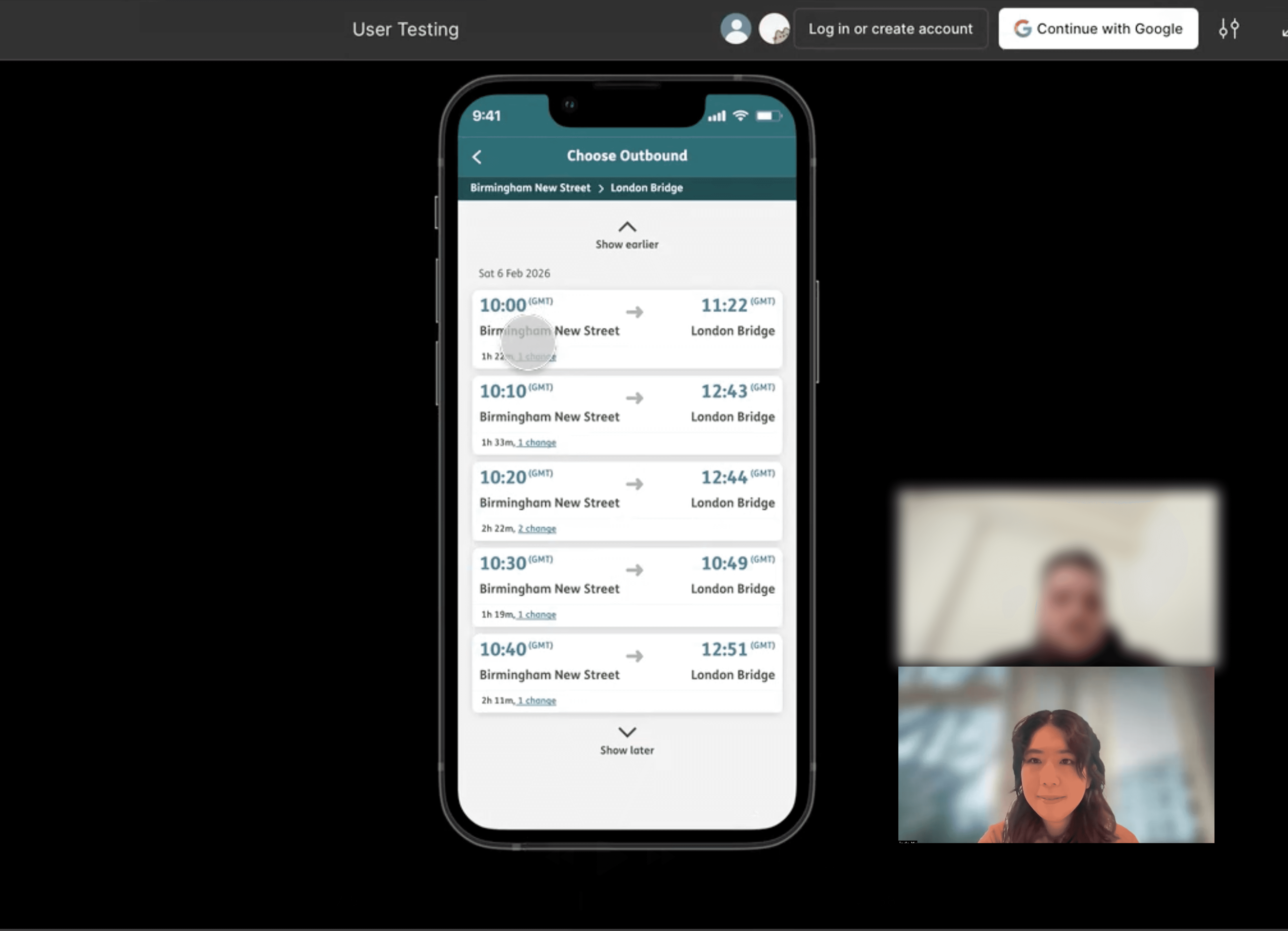
"There was no one there to basically put me on the, the train, basically. And I was like, what the heck do I do? Because I've missed the connection" — Research participant, UK
Research in Japan — generative research for a new market
Key success indicator
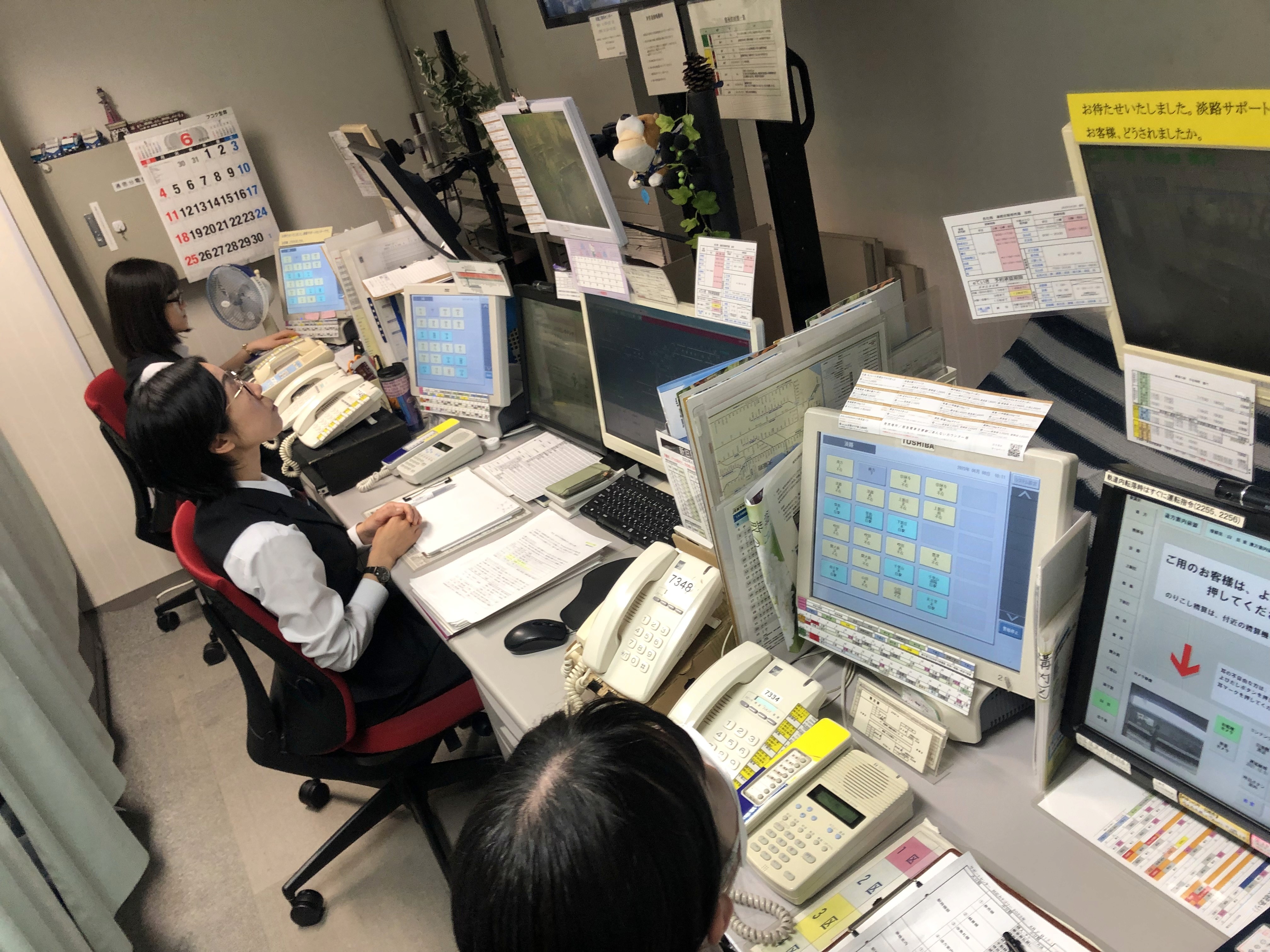
This highlighted a strong market opportunity — growing user need combined with systemic pressure made Japan a compelling context for the product.
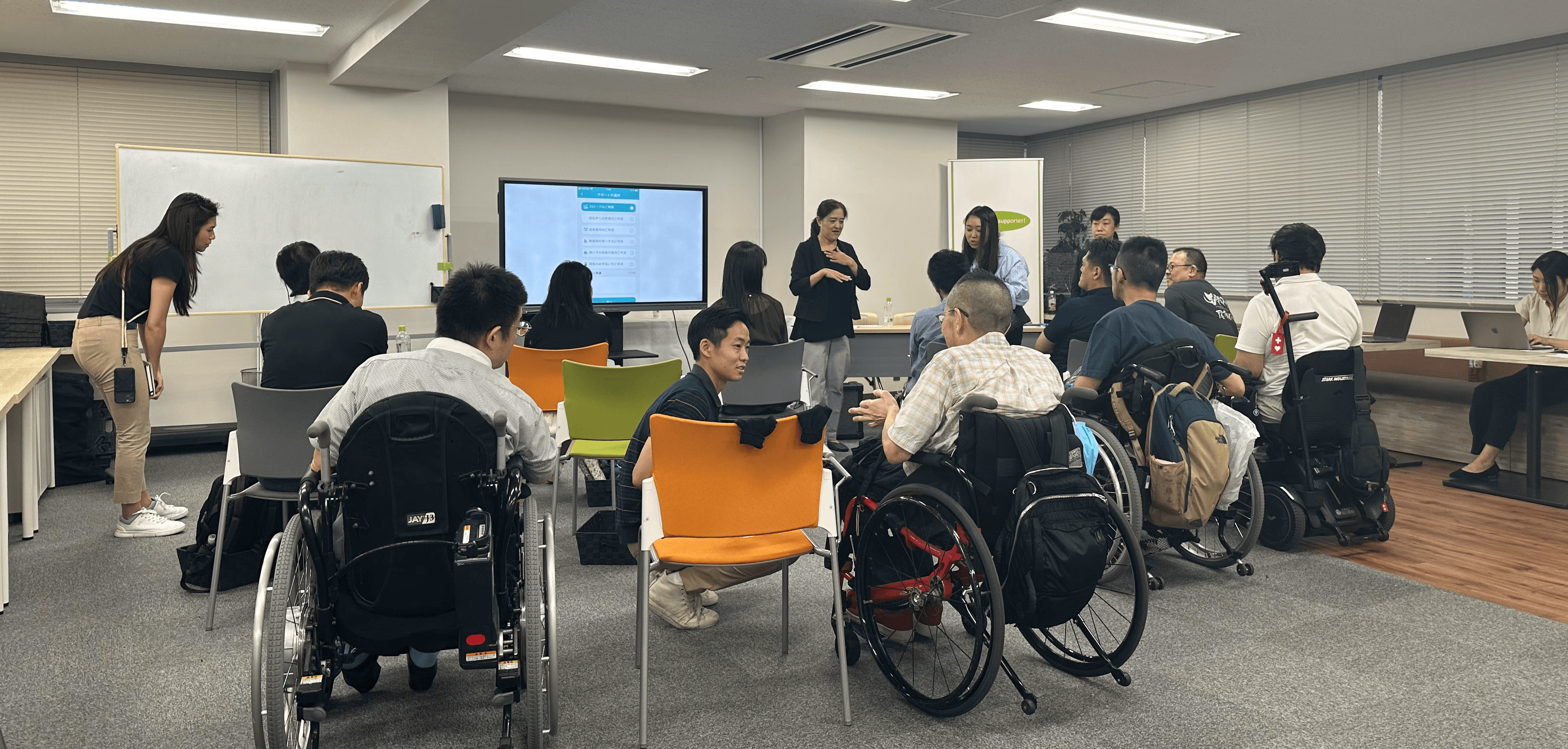
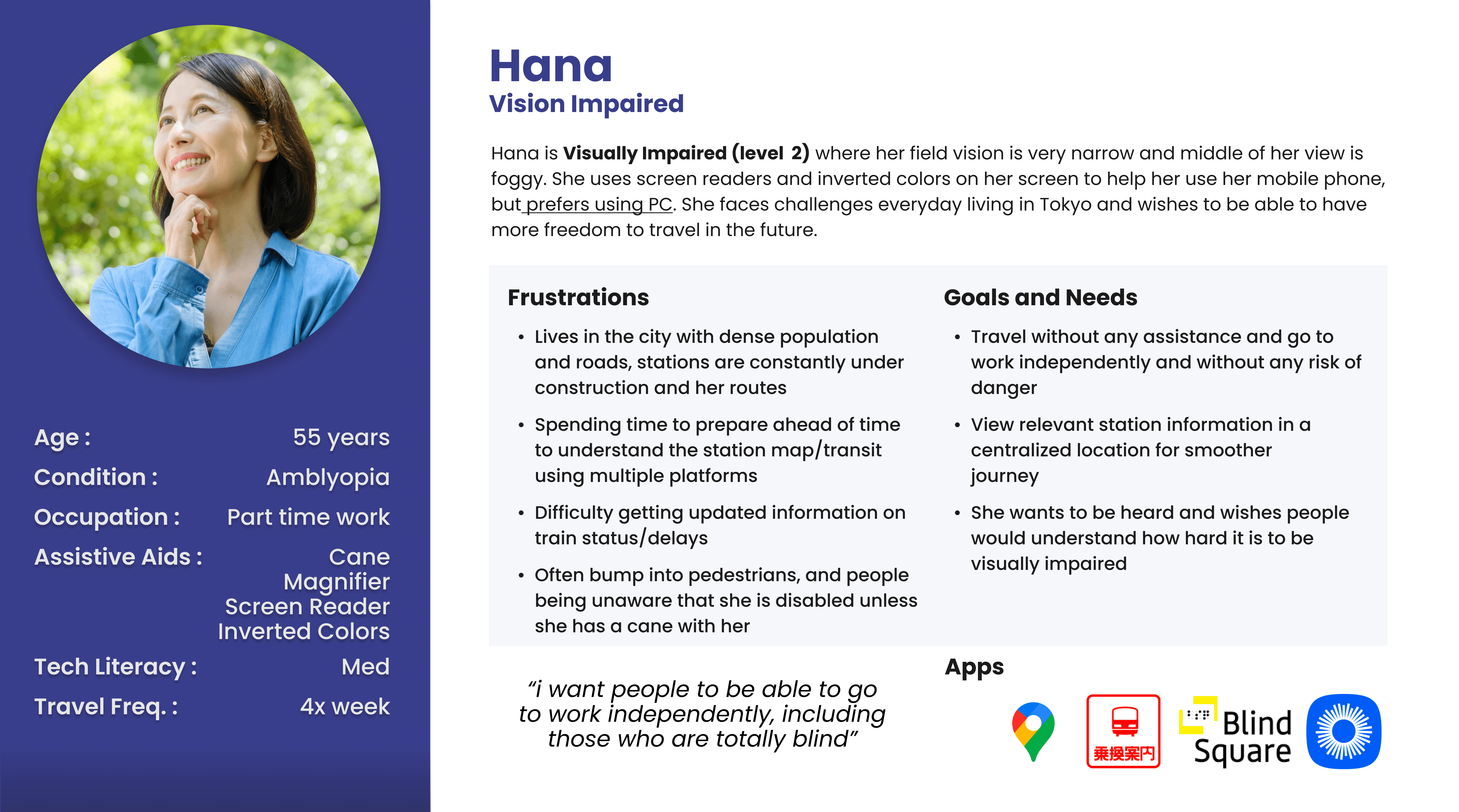
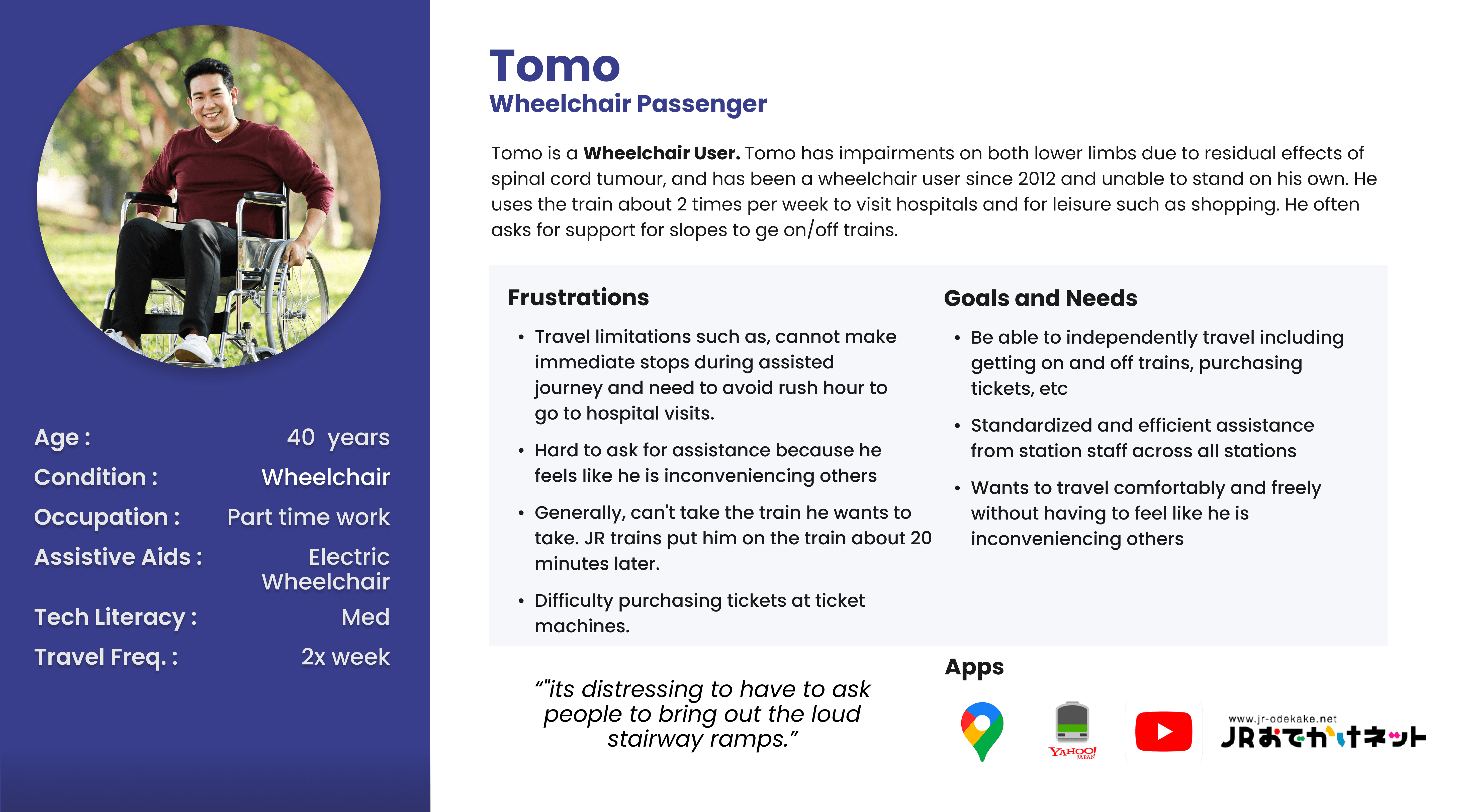
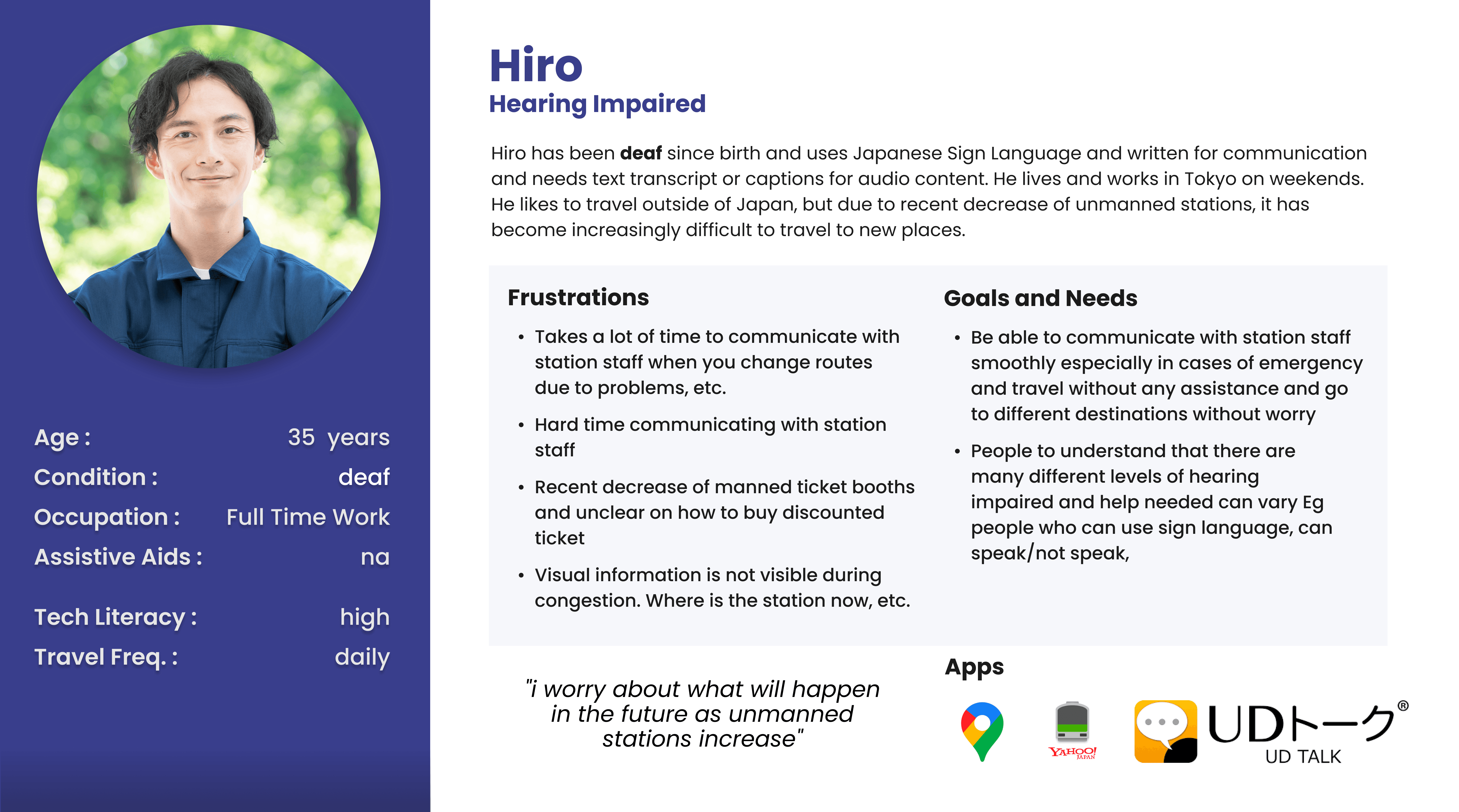
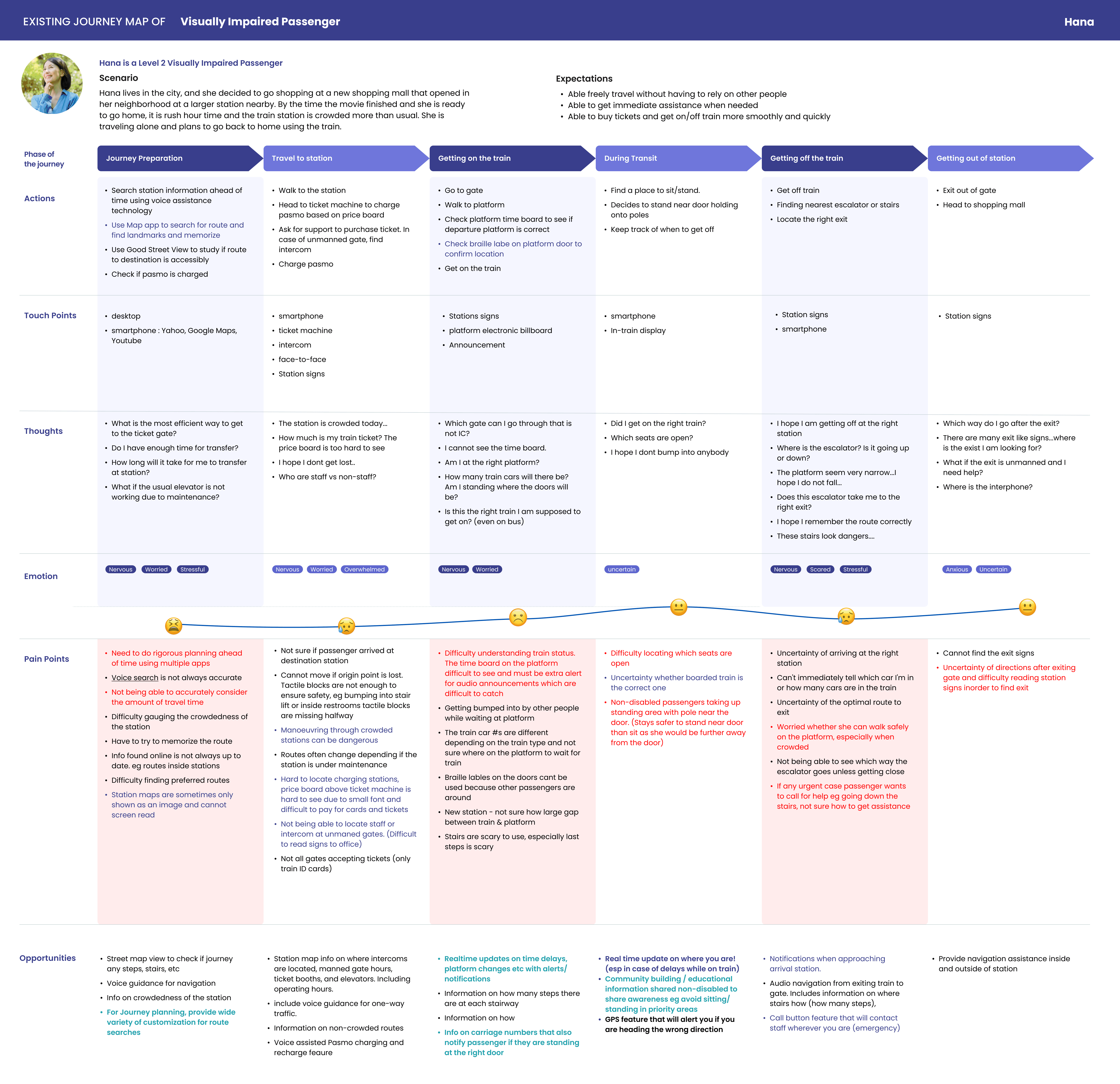
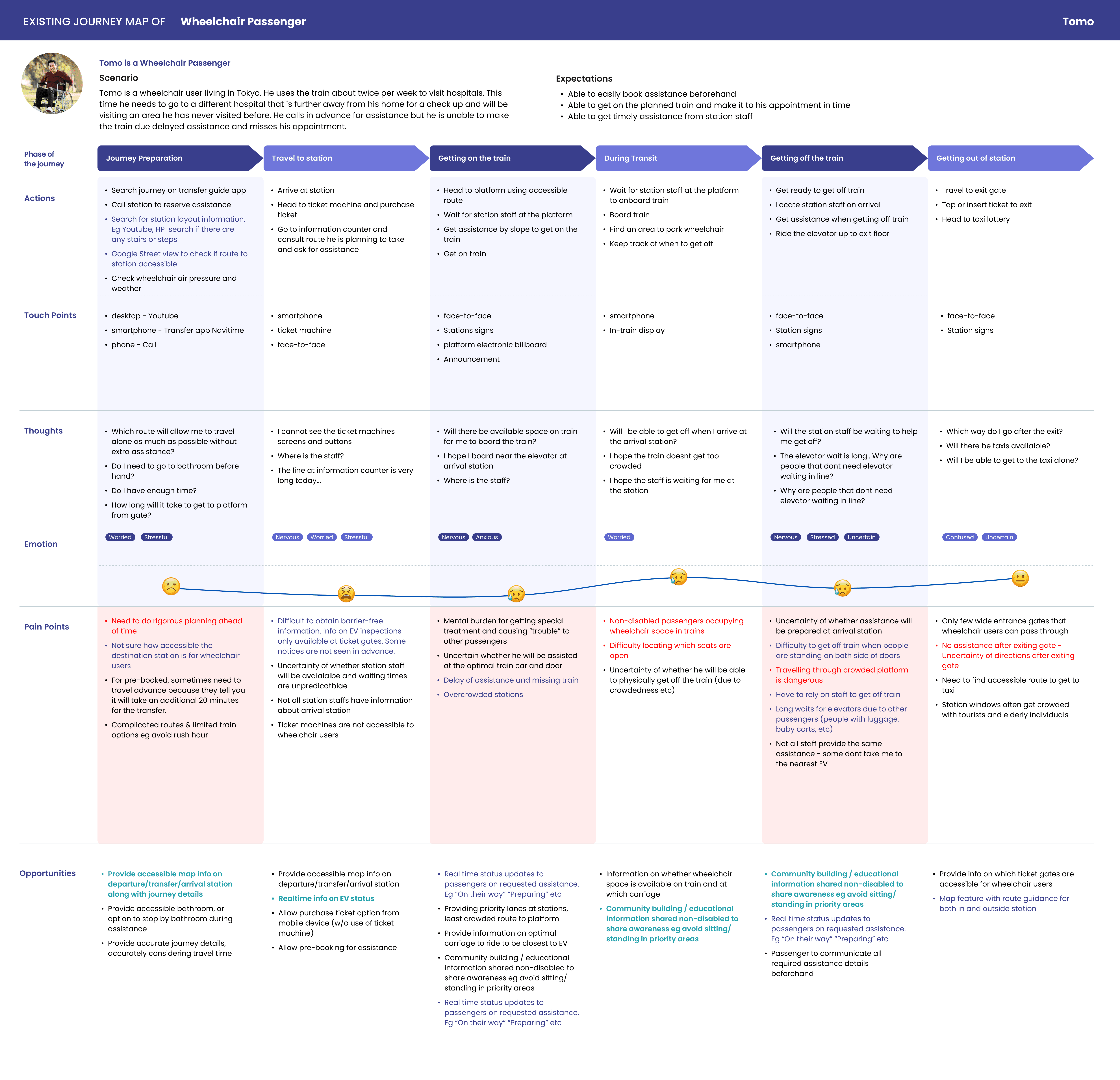
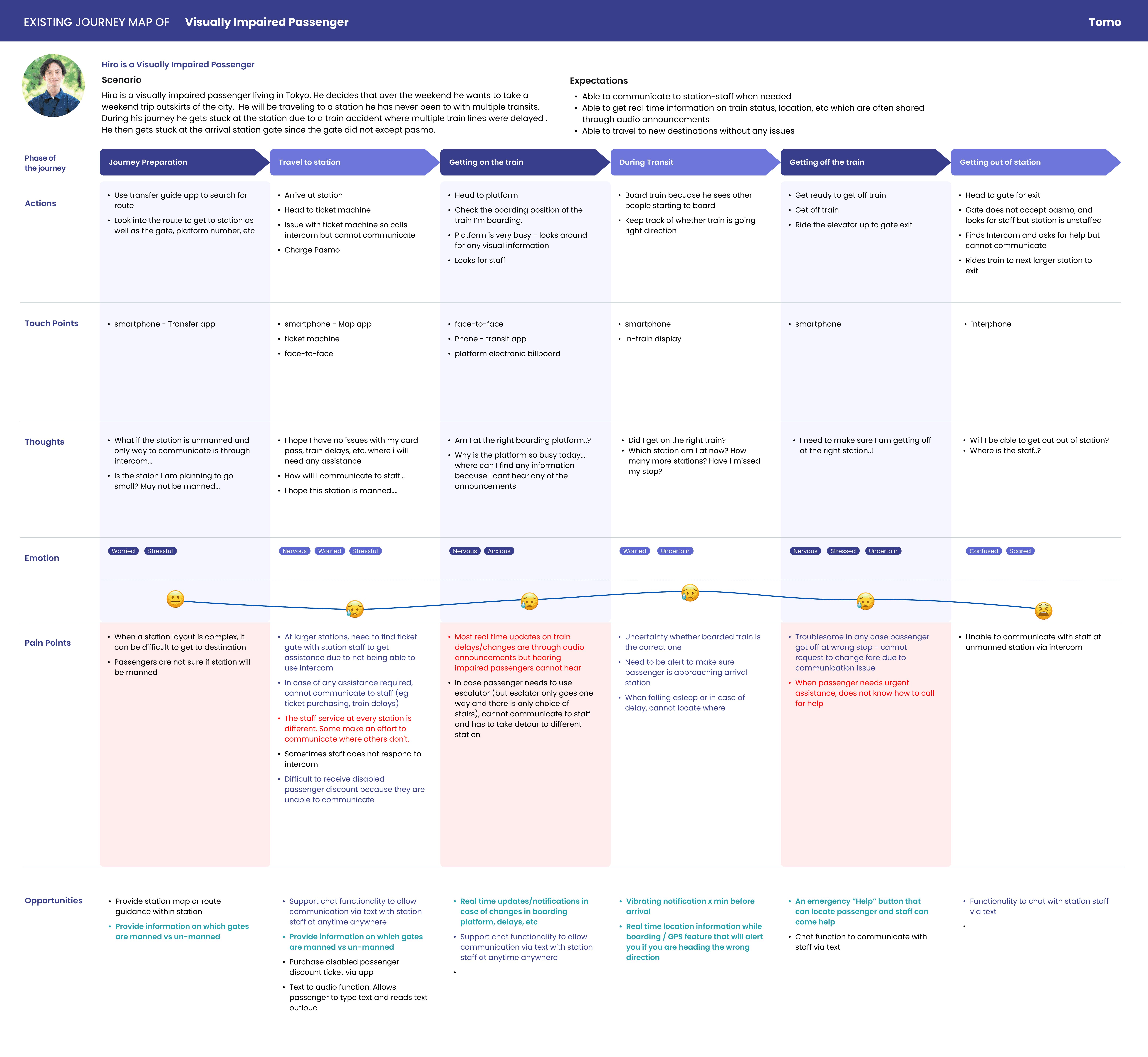
"I'm scared to use unmanned stations. I couldn't communicate with station staff through the intercom, and it took a long time for them to respond. I hope they consider better assistance for people with disabilities at unmanned" — Hearing impairment participant, Japan
"I also remember shouting for help for station staff when I needed help when there was error trying to access through the gate (this happened when a certain station did not have anyone to support near the gate)" — Vision impairment participant, Japan
In the UK, execution focused on evolving a live product without disrupting an established service serving 1 million users. The goal was to strengthen trust within existing constraints, improving the experience while maintaining operational stability across multiple operators.
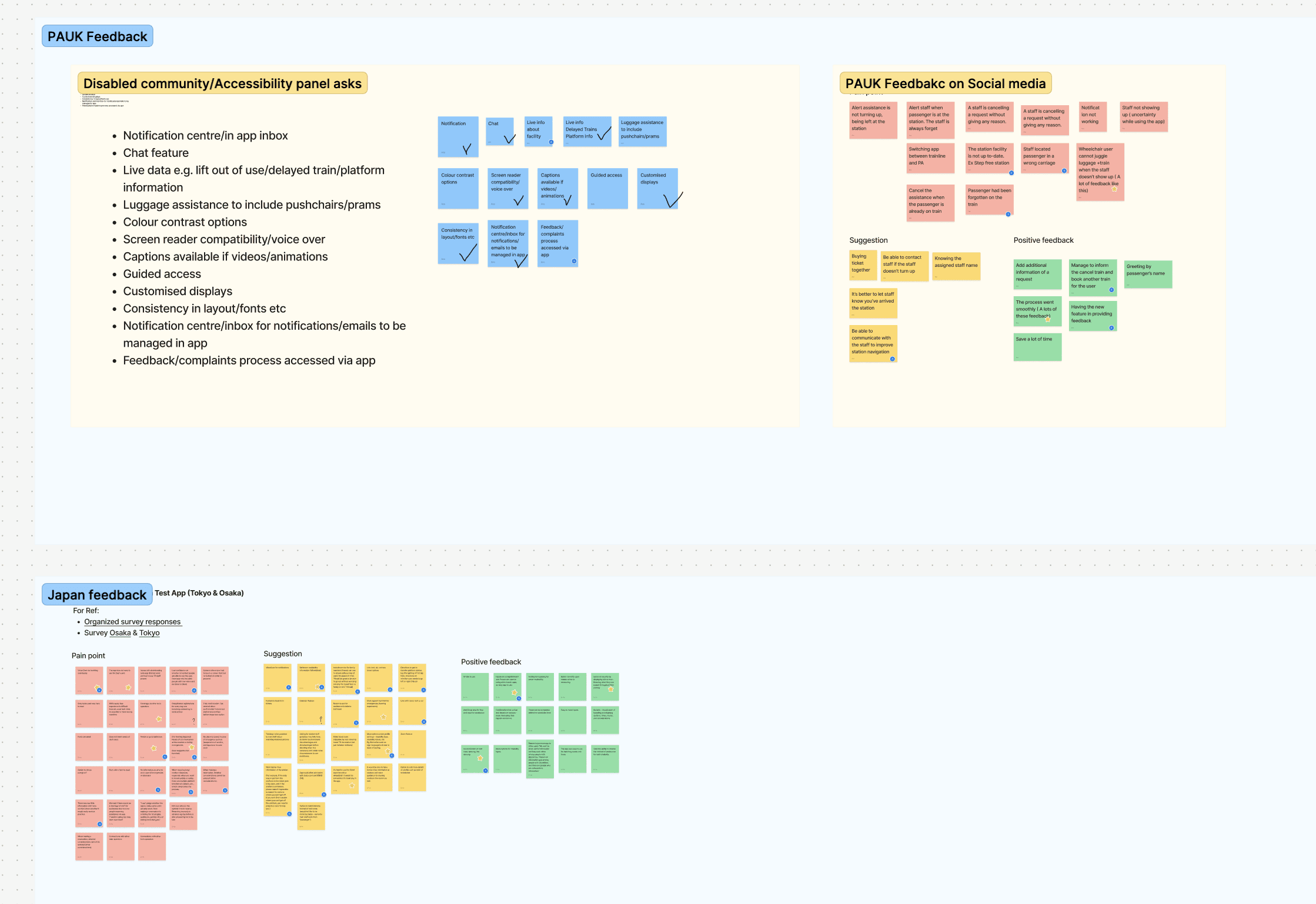
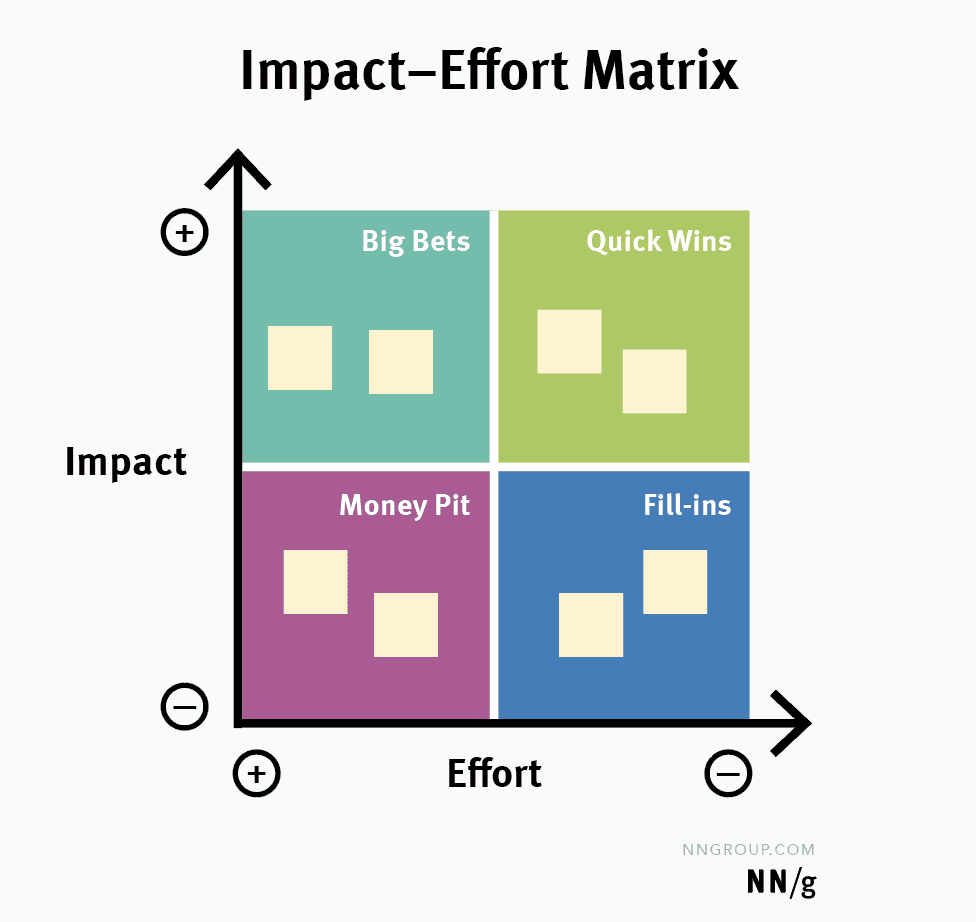
User research surfaced 20+ opportunities to strengthen passenger trust and confidence. Working within business constraints, I prioritised high-impact changes across the full journey — not just the booking flow — focusing on the moments where confidence broke down most.
This meant making the service more visible, setting clearer expectations, and introducing reassurance at key points between booking and travel. Three areas shaped the solution: meeting point clarity, email communication, and new feature onboarding — balancing immediate wins with long-term system consistency.
Reducing Pre-Journey Anxiety
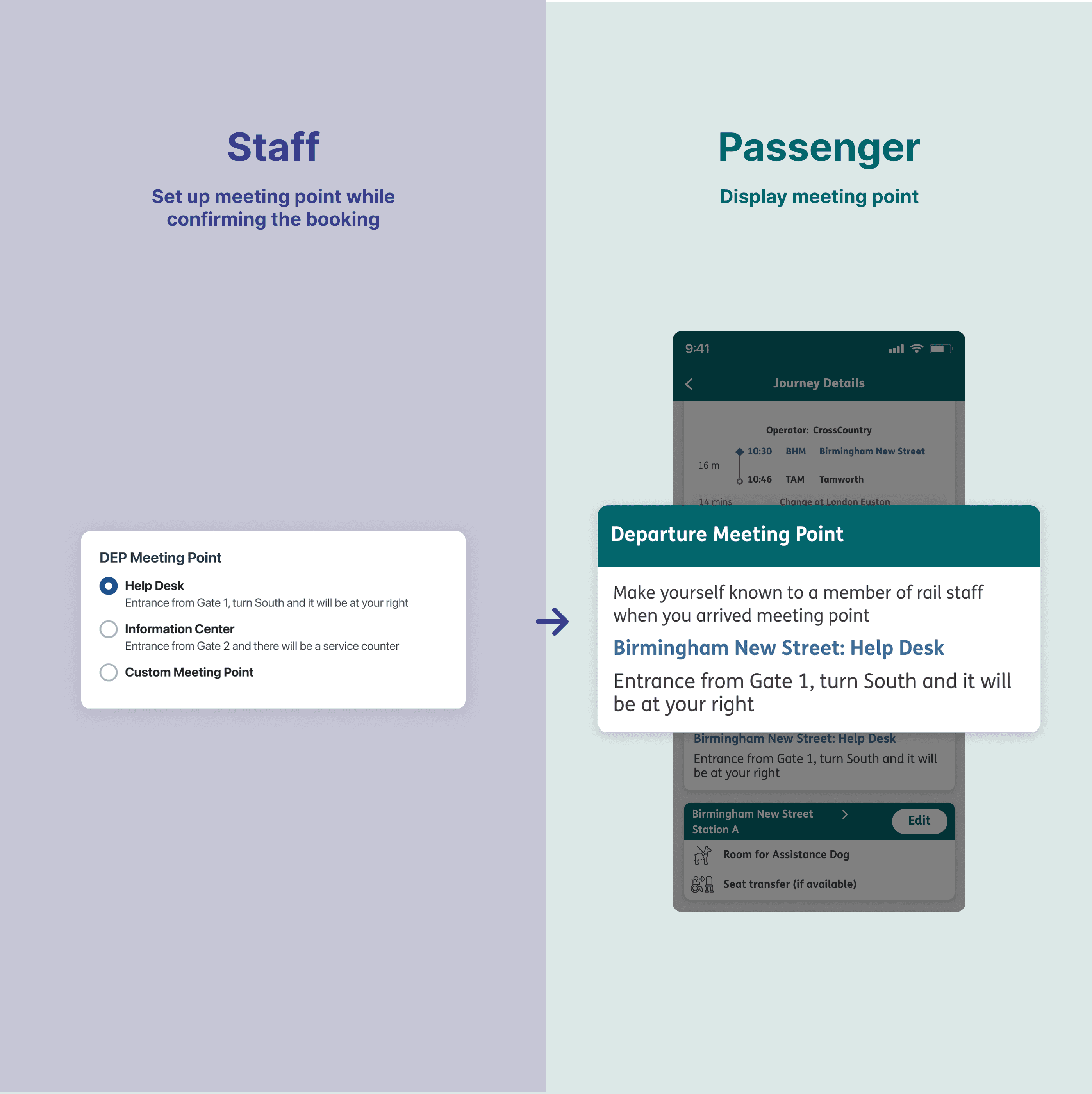
Meeting Point became one of the highest-impact features on the UK product. The majority of passengers reported being unable to find assistance staff at their station — uncertainty that created anxiety before the journey even began. We prioritised this problem first because it cut both ways: without a clear meeting point, staff struggled to locate passengers, increasing the risk of failed assistance.
The feature addressed this by showing passengers exactly where to find assistance staff at every station across the UK. After launch, 40% of pre-booked journeys used it.
Reassurance Through Communication
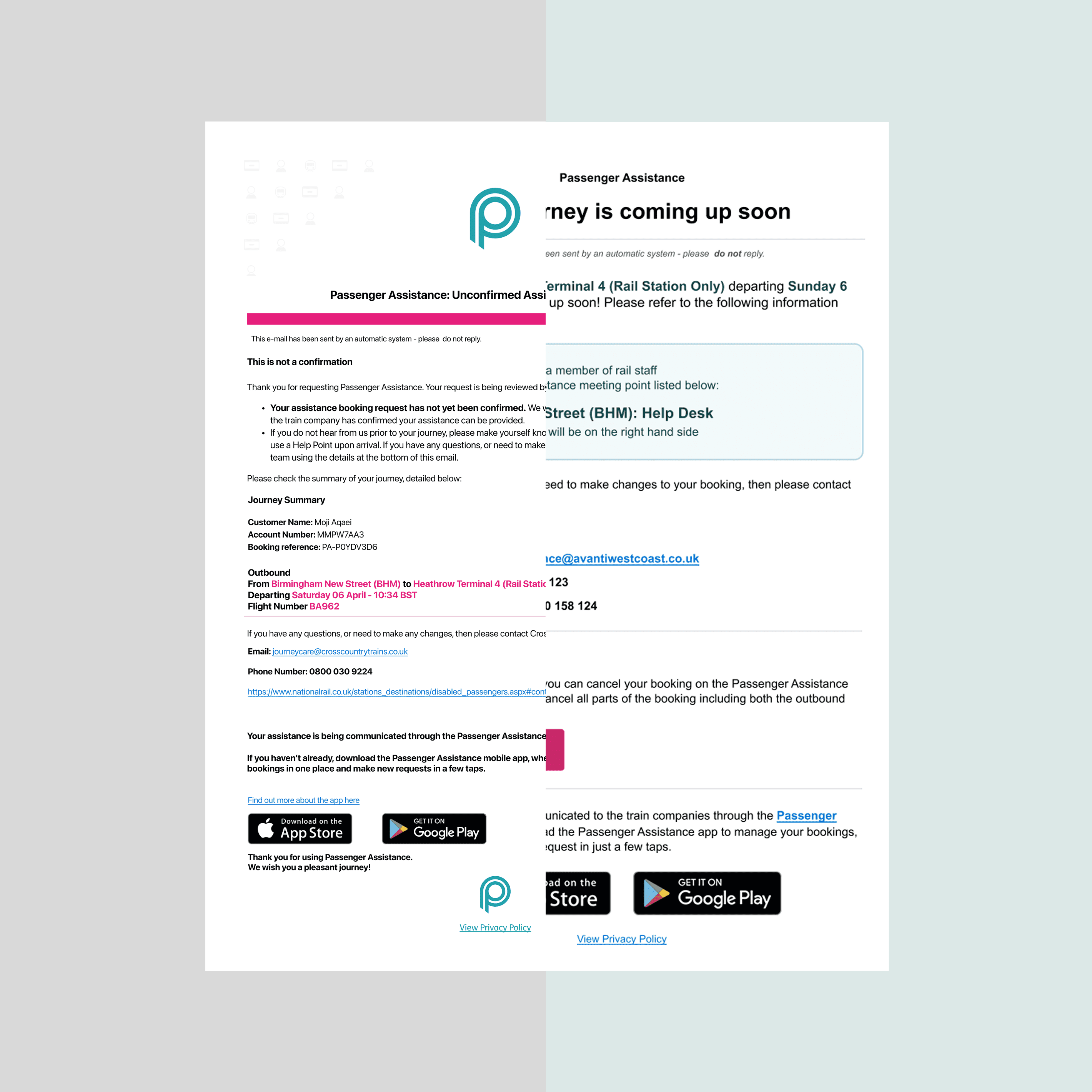
Email notifications reach every passenger — including those who never open the app — but key information was buried, leading to confusion and avoidable support requests.
We redesigned the emails to surface essential details clearly, reducing uncertainty and reinforcing trust at key moments in the journey.

Making New Feature Visible
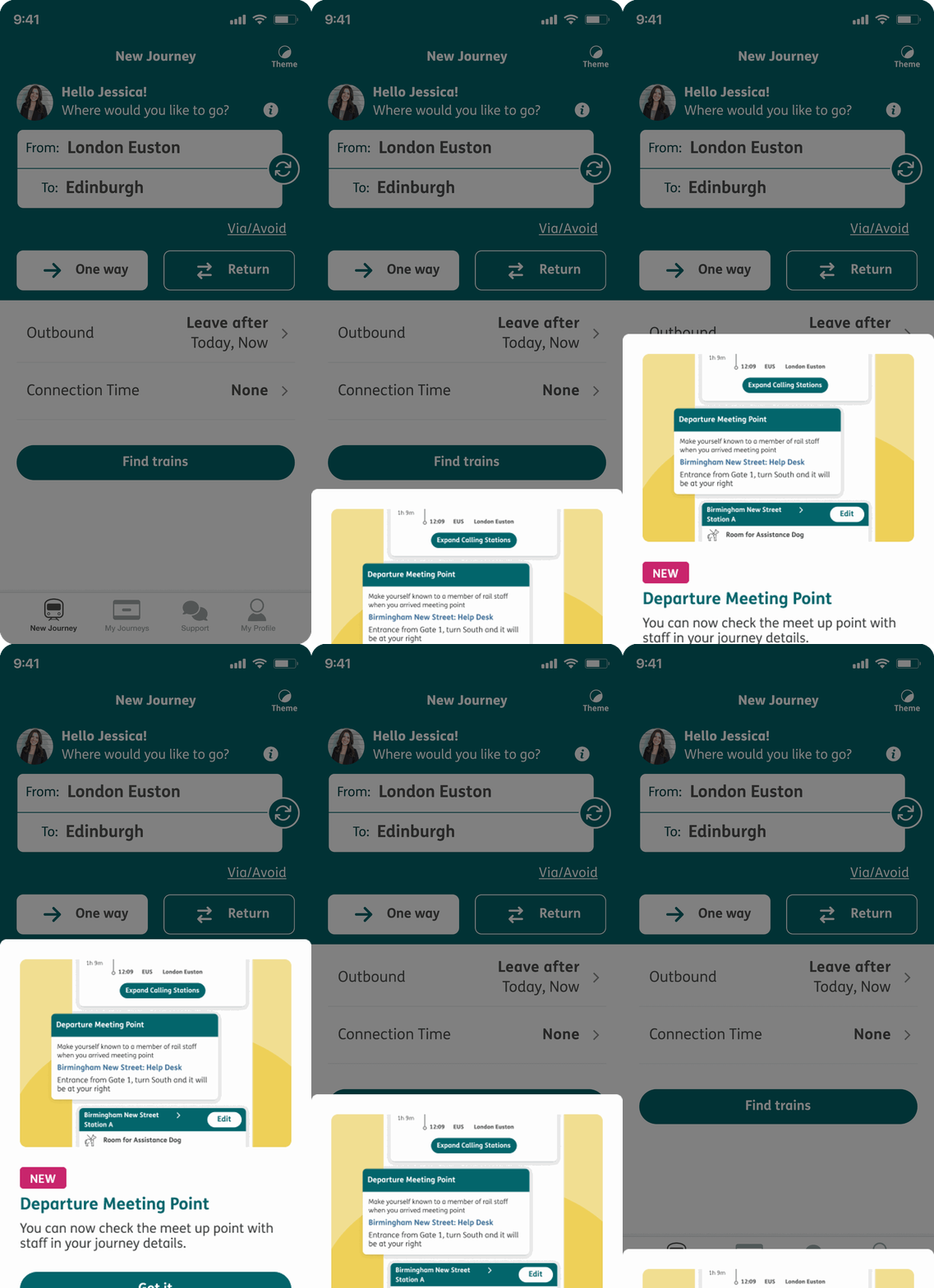
Research showed that product improvements often went unnoticed, as users rarely explored beyond established habits.
A contextual onboarding prompt surfaced updates at the right moment, increasing adoption and reducing repeat feedback without disrupting the core experience.
This also made continuous improvement visible — increasing engagement and reinforcing trust.
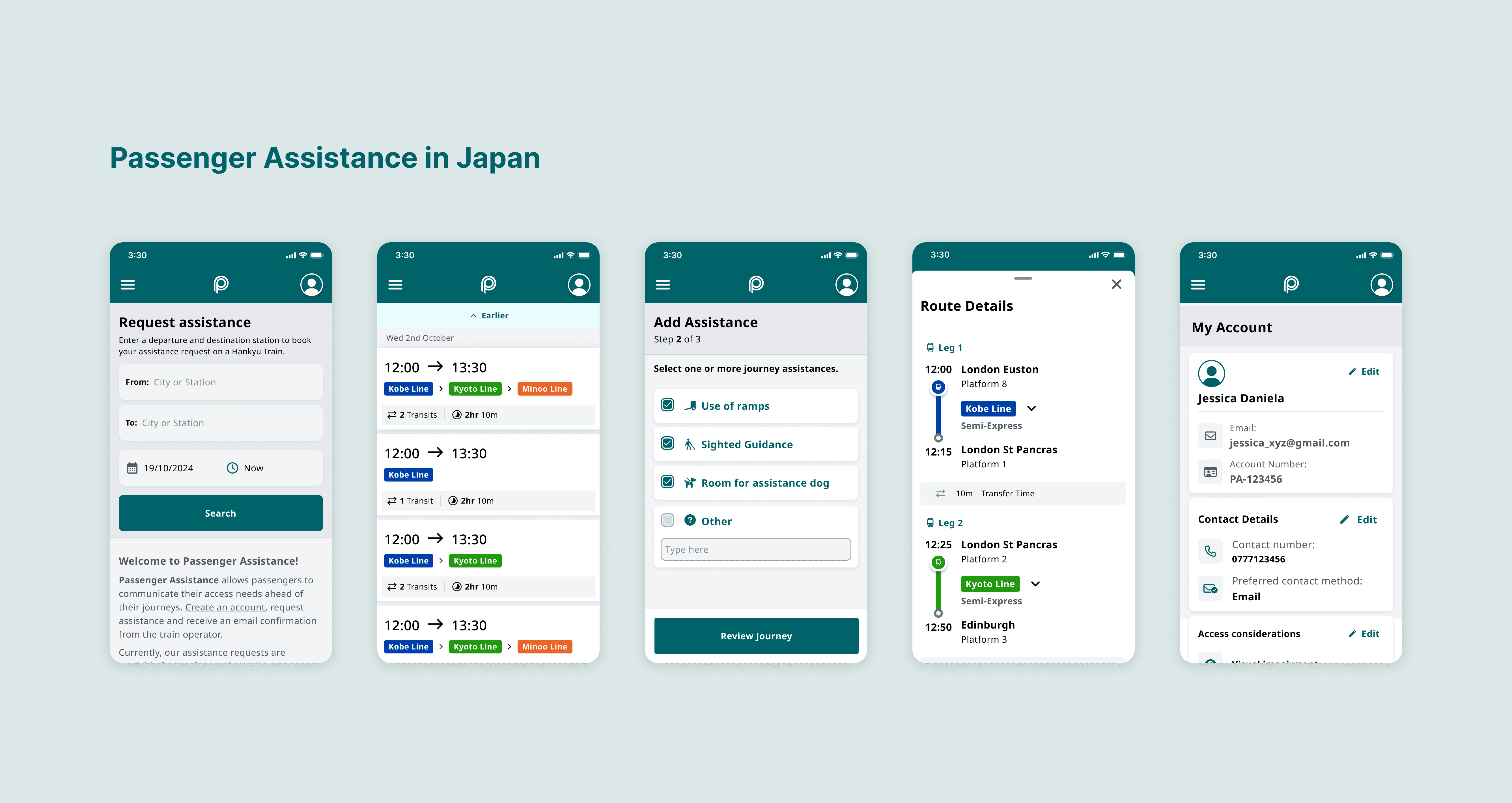
Launching in Japan required more than localisation — it meant adapting the product to a different service culture. With no existing mental model for Passenger Assistance, the focus was on making the service clear, credible, and easy to adopt from first use.
The result was an MVP that introduced a new behaviour — introducing how to pre-booked assistance — while fitting into existing operations and laying the foundation for adoption and scale.
MVP Strategy
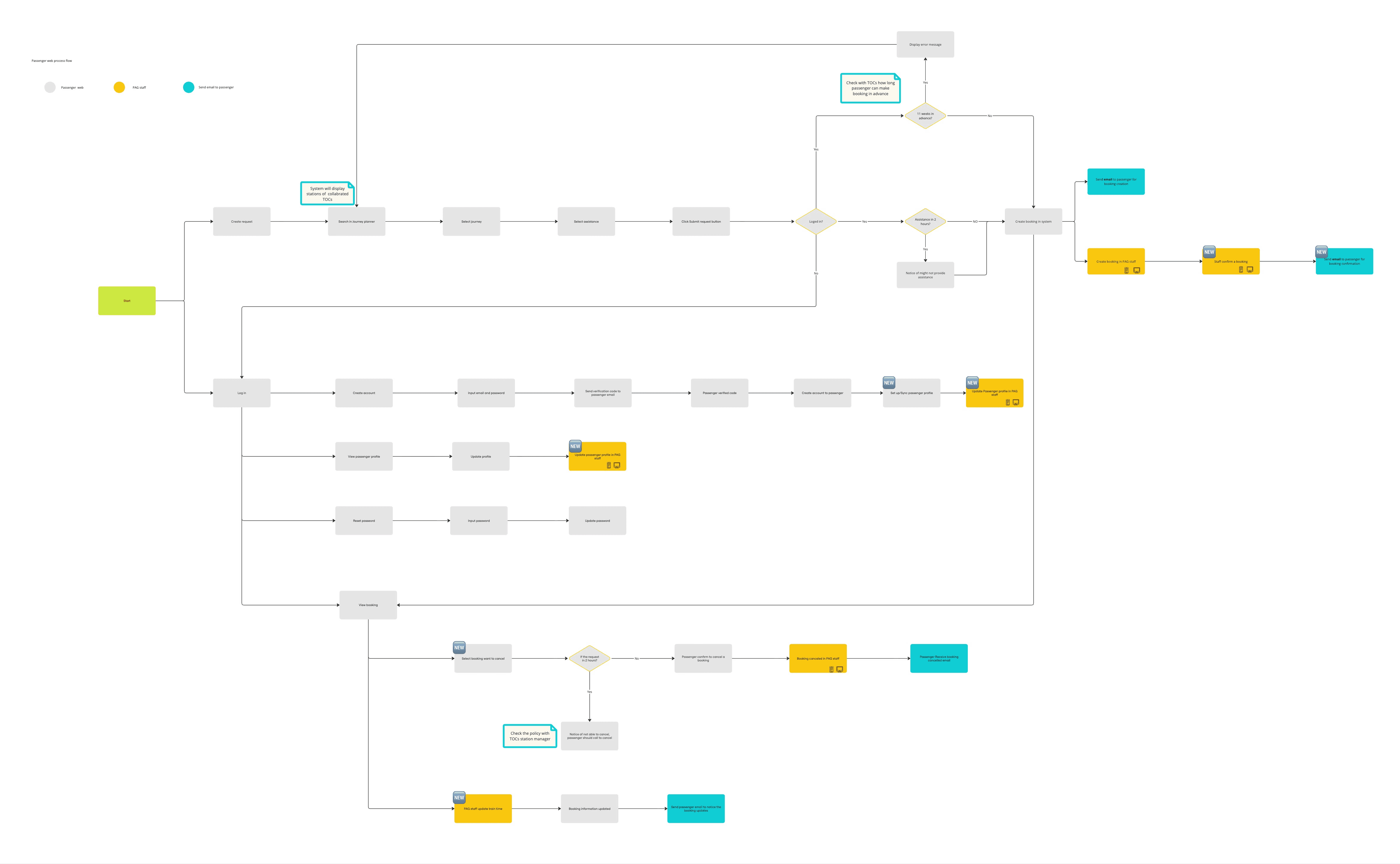
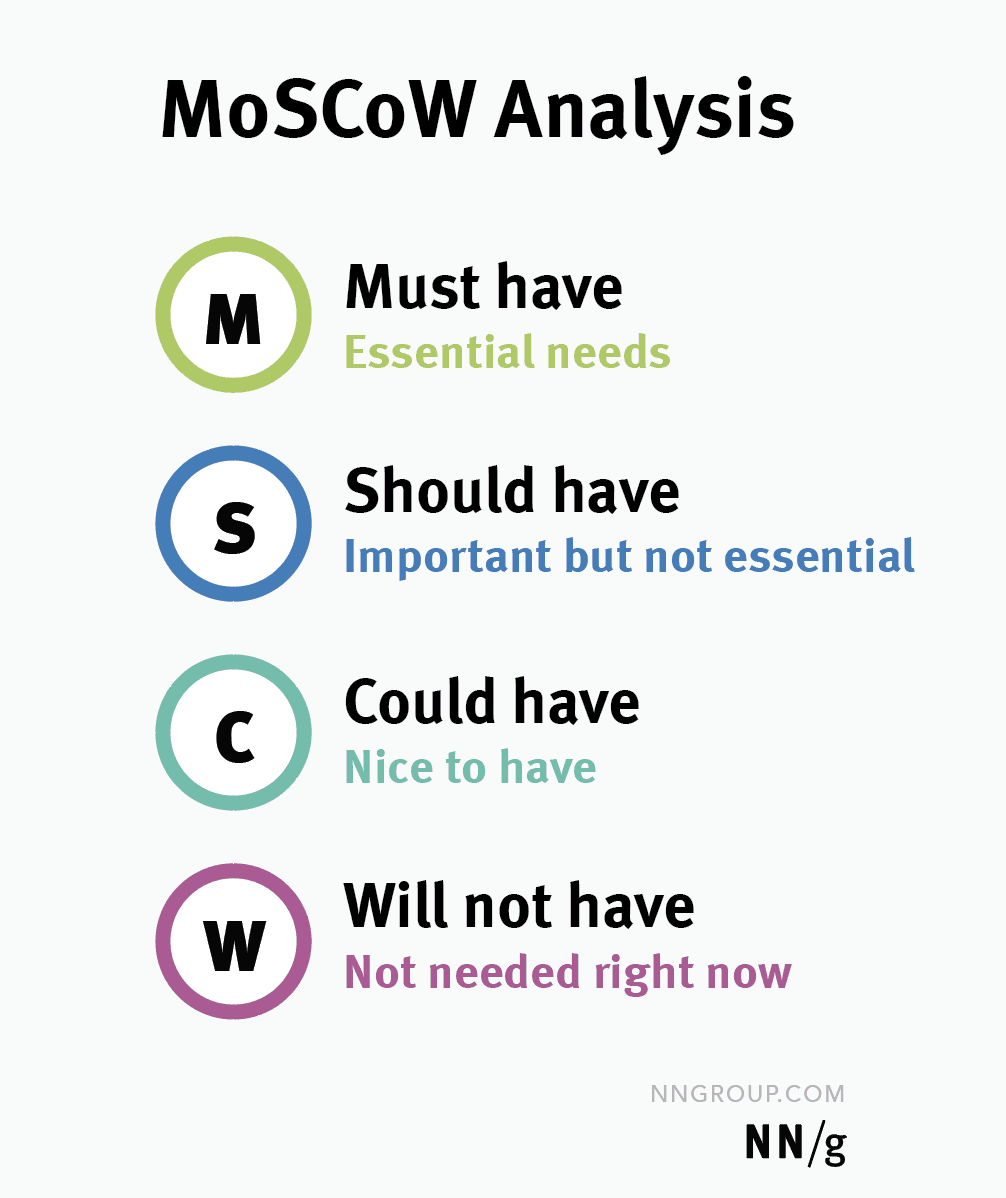
Facilitated a MoSCoW analysis with product, engineering, and account leads to align on what the MVP needed to validate the market.
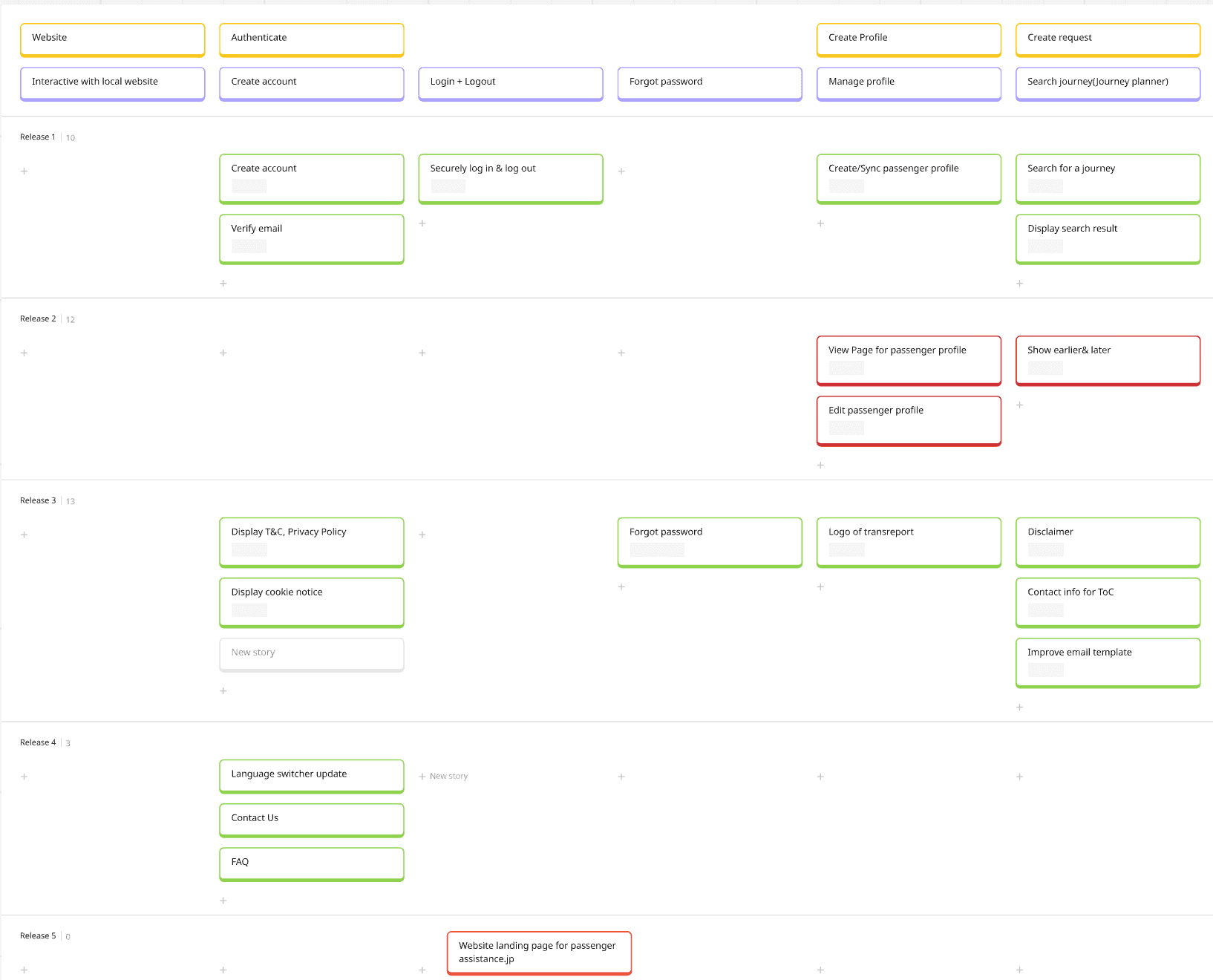
With limited resources, this ensured scope stayed focused. The output was a phased release plan with usability testing at key milestones to validate with real users before further investment.
Trade-offs for the Core Experience
When sequencing features I intentionally deferred non-core flows (e.g.Edit profile) to validate the core journey before launch — allowing us to identify and resolve usability issues early, and build a solid product foundation rather than ship a bloated feature set that risked eroding first-time user confidence.
Design Critique and Leadership
Leading a team of two designers, I maintained design direction, quality, and delivery through a mix of scheduled critiques, ad-hoc reviews, and async Figma feedback — anchored by shared principles set early to keep the team aligned.
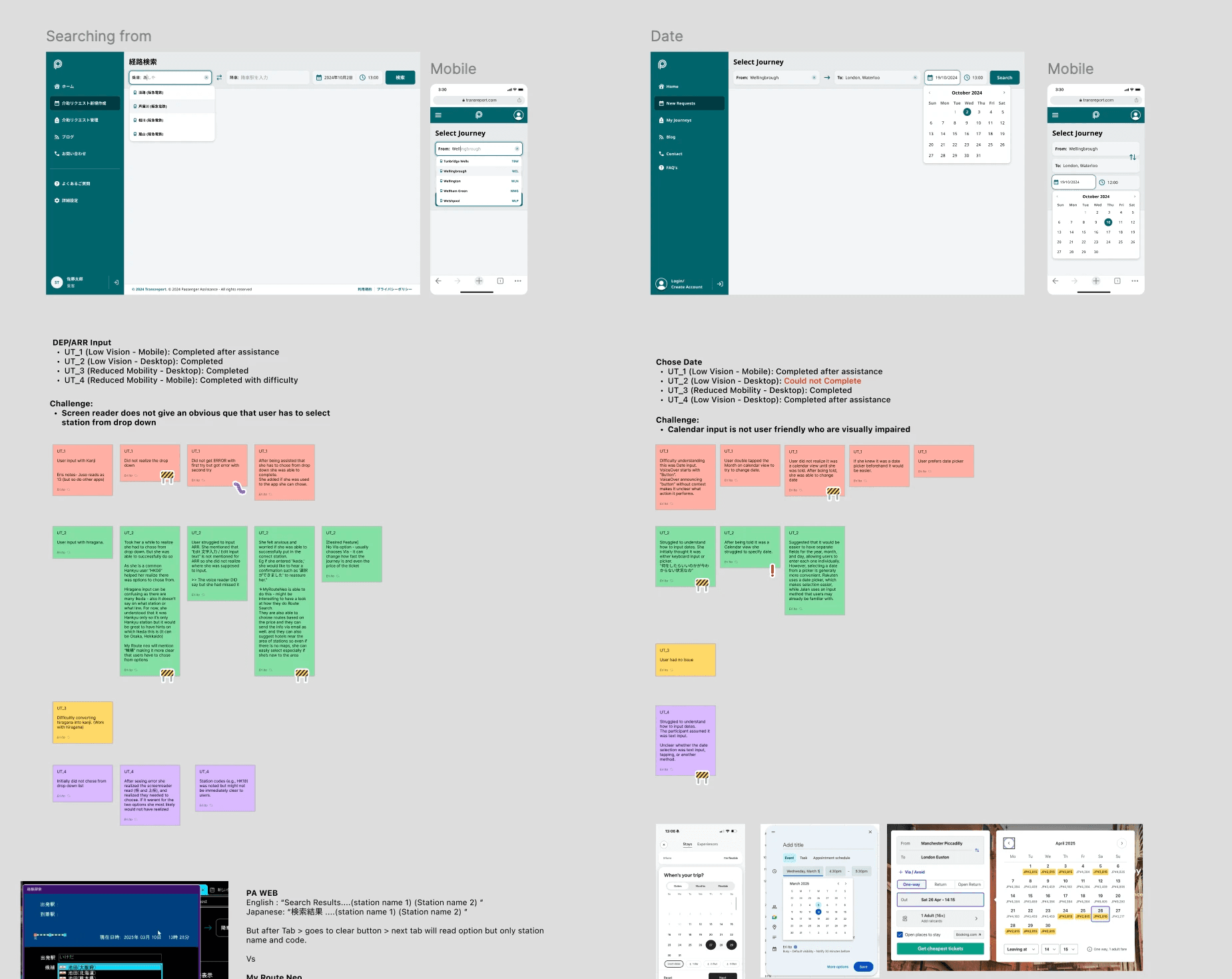
Where quality was at risk, I pushed back — insisting on screen reader testing before launch and advocating for greater resource on the landing page. During MVP I focused on directing and reviewing, keeping sight of the longer-term vision rather than getting pulled into delivery alone.
Accessibility and Design System
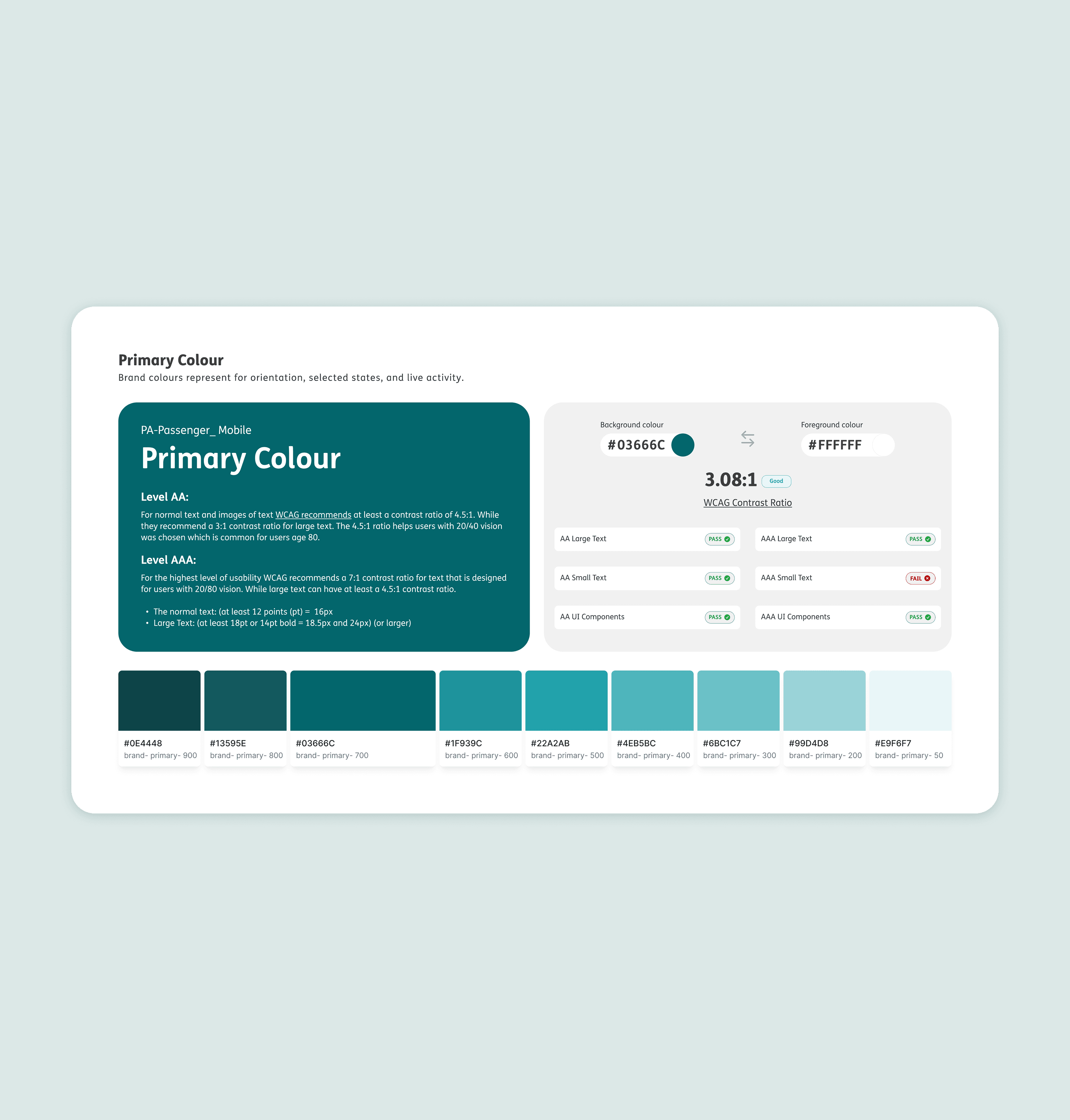
Alongside the design system designer, we established a WCAG AA-compliant design system, embedding accessibility into core components — contrast, tap targets, and screen reader support — to ensure consistency across markets and accommodate different language requirements.
A year and a half after taking over the UK product, here are the outcomes.
4.8
Apple Store Review
1 M+
Passenger impacted in the UK
Three months after launching the Japan MVP, here are the outcomes.
88
stations available for booking in Japan
105%
number of booking Increased
100%
100% of users said they would continue using the product
"Until now, I hesitated to travel alone unless it was somewhere I’d been before, but with this, I feel like I could start going more places on my own." — app user, Japan
"Knowing that station staff are already aware of the necessary assistance in advance provides peace of mind. I think the fact that users know such an app exists contributes to a sense of security, showing that a support system is in place." — app user, Japan
"I think it's great that most of the information is already communicated in advance"
— app user, Japan
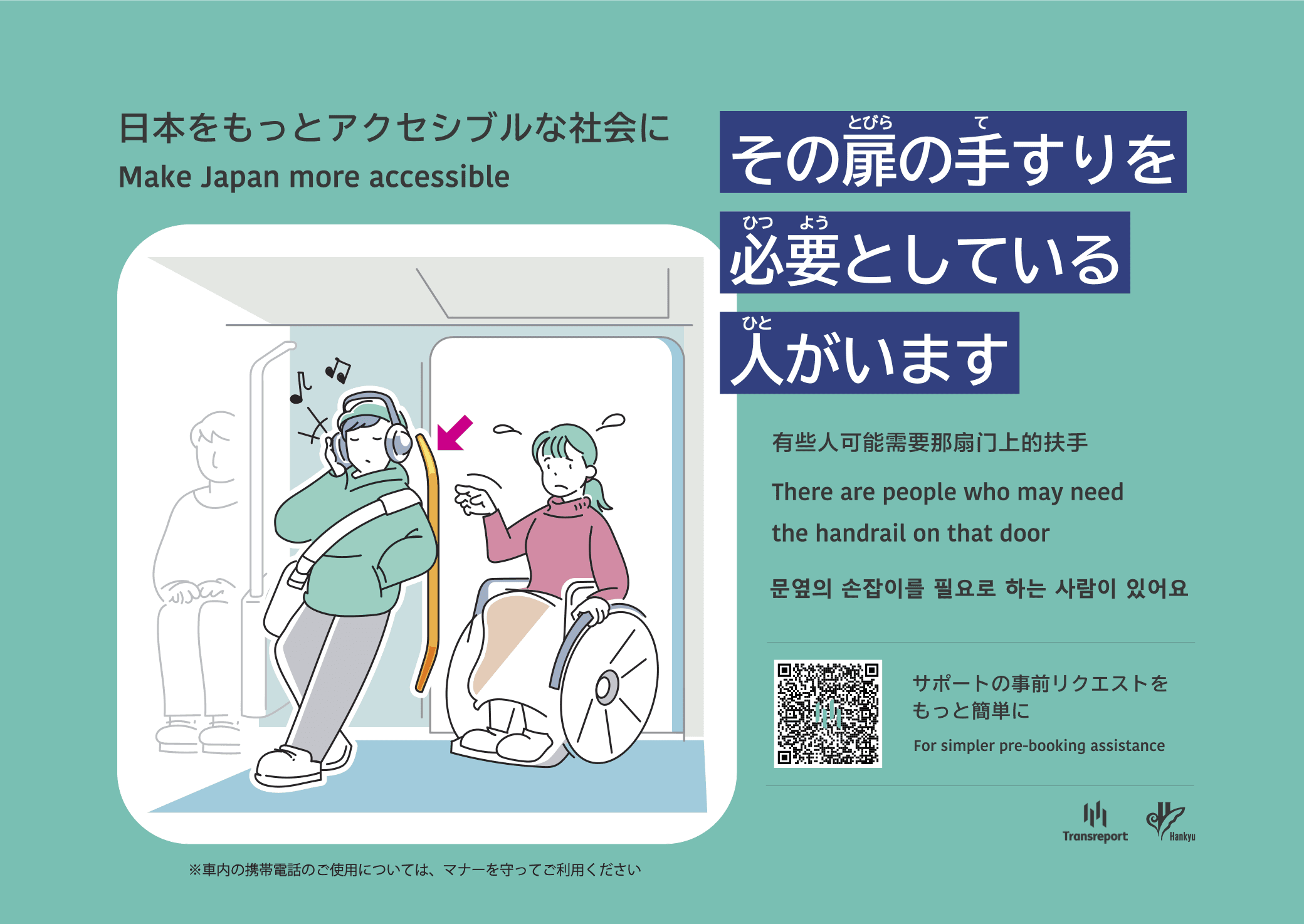
In the UK, I challenged the team's implicit bias toward designing for the most visible user group (wheelchair users), advocating for accessibility as a system-level foundation.
The impact was measurable — blind and low-vision users responded strongly in Japan, and before launch, Hankyu Railway identified our accessibility approach as a key differentiating factor. This positioned Transreport as an accessibility leader, attracting new business opportunities in Japan — including Hitachi.
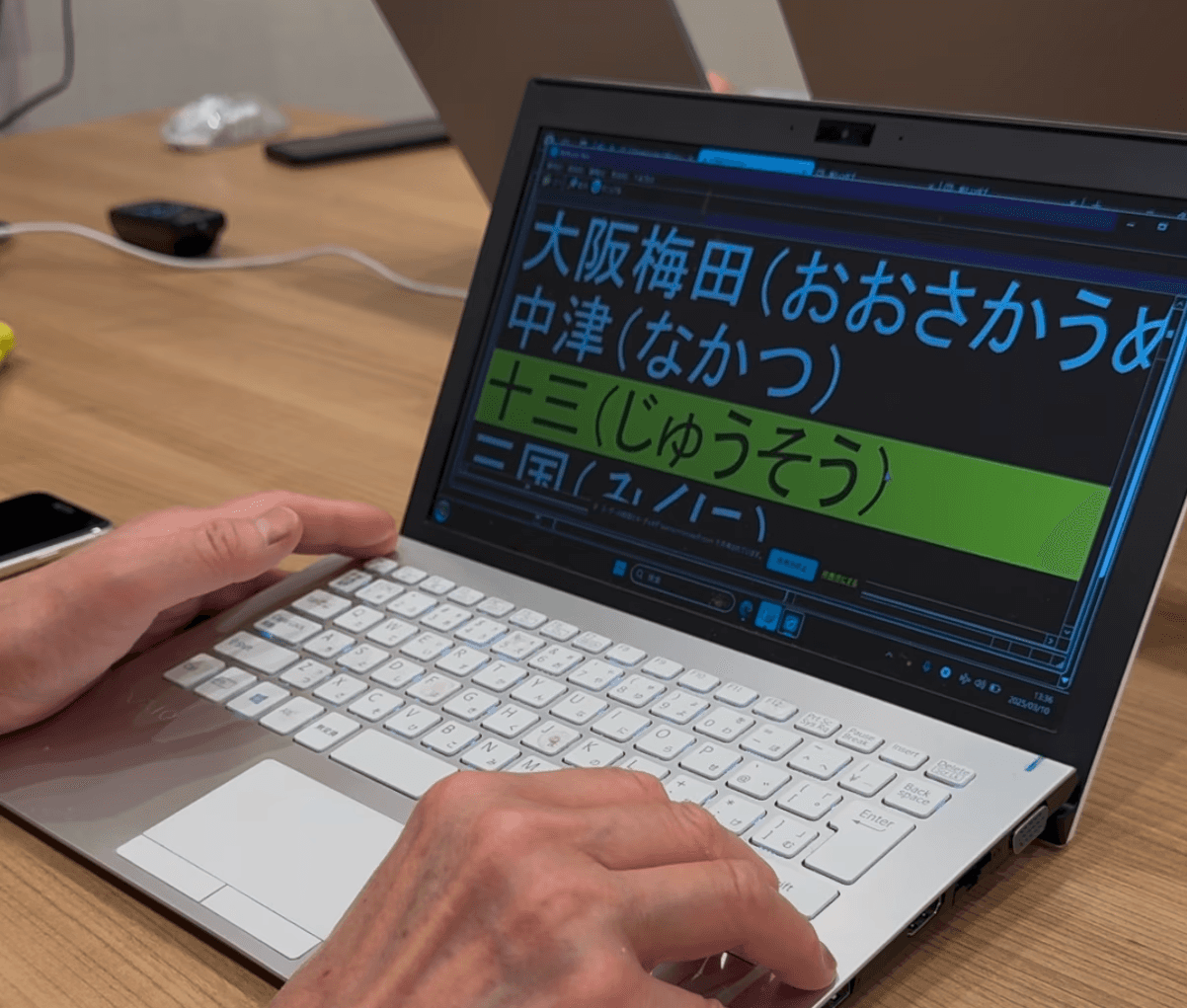
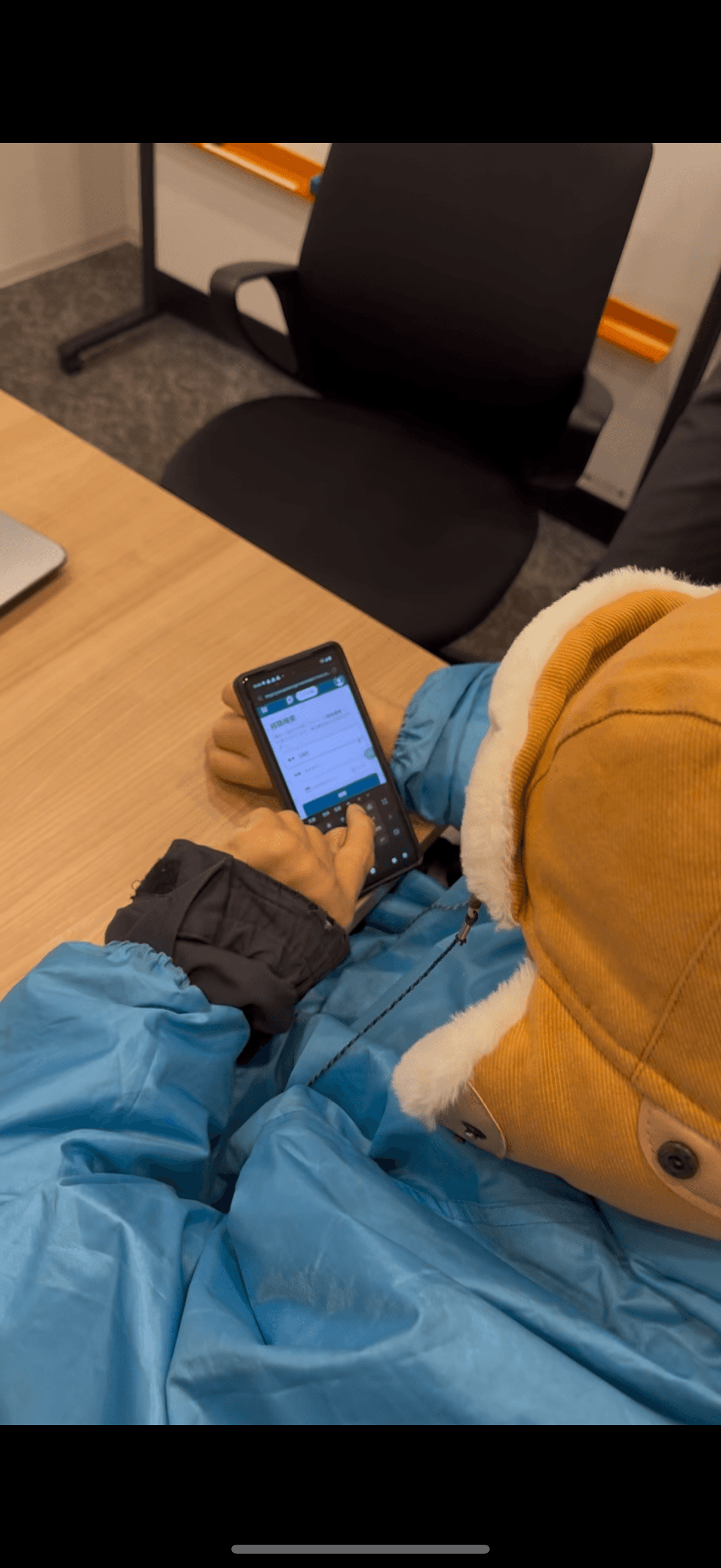
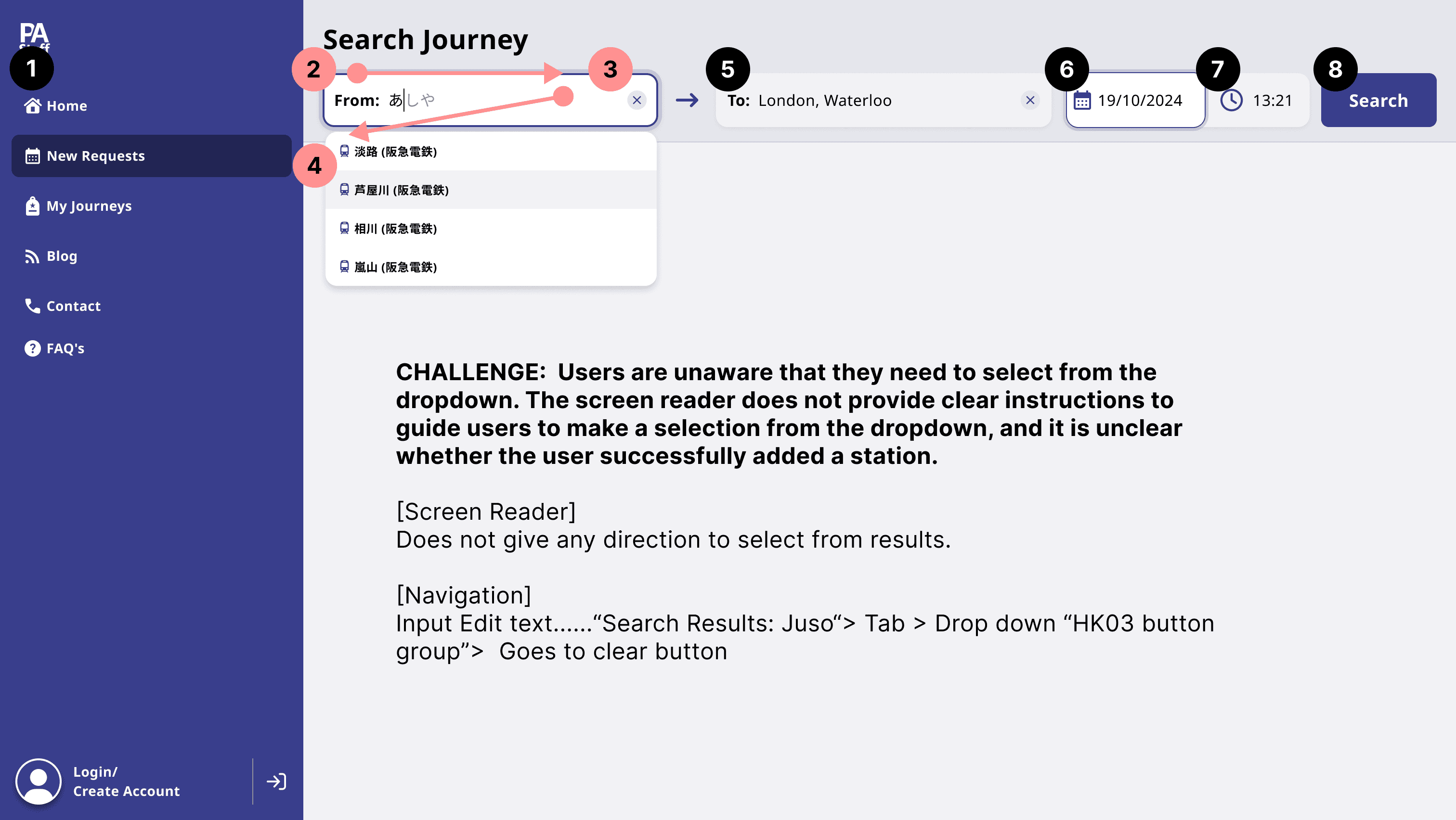
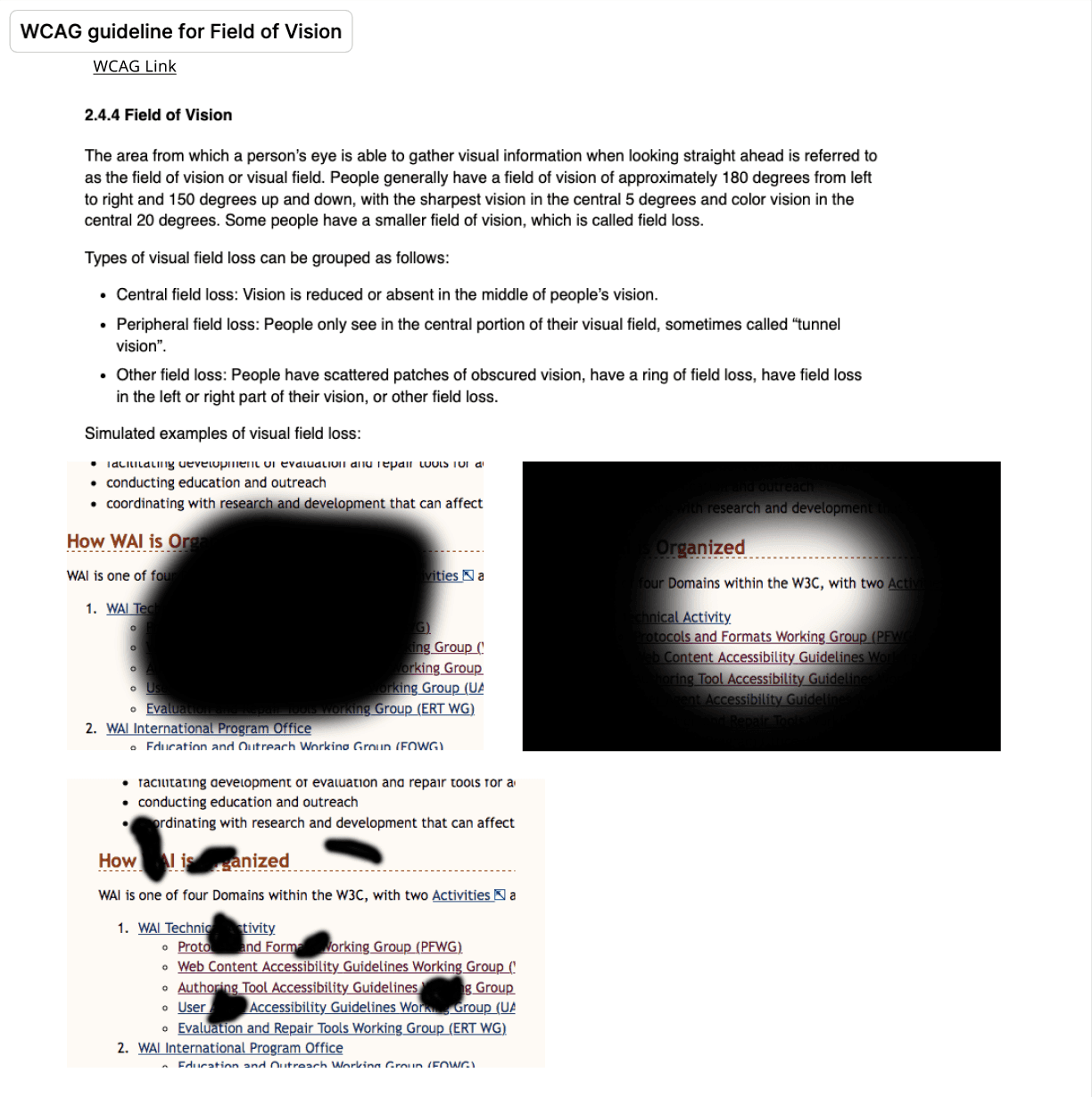
Screen Reader Takeaways
Screen reader navigation follows a specific sequence rather than visual order, so we designed announcement and selection flow intentionally — rather than relying on visual hierarchy alone.
For low-vision users, the interface is experienced in small sections — shaping our approach to content density and progressive disclosure.
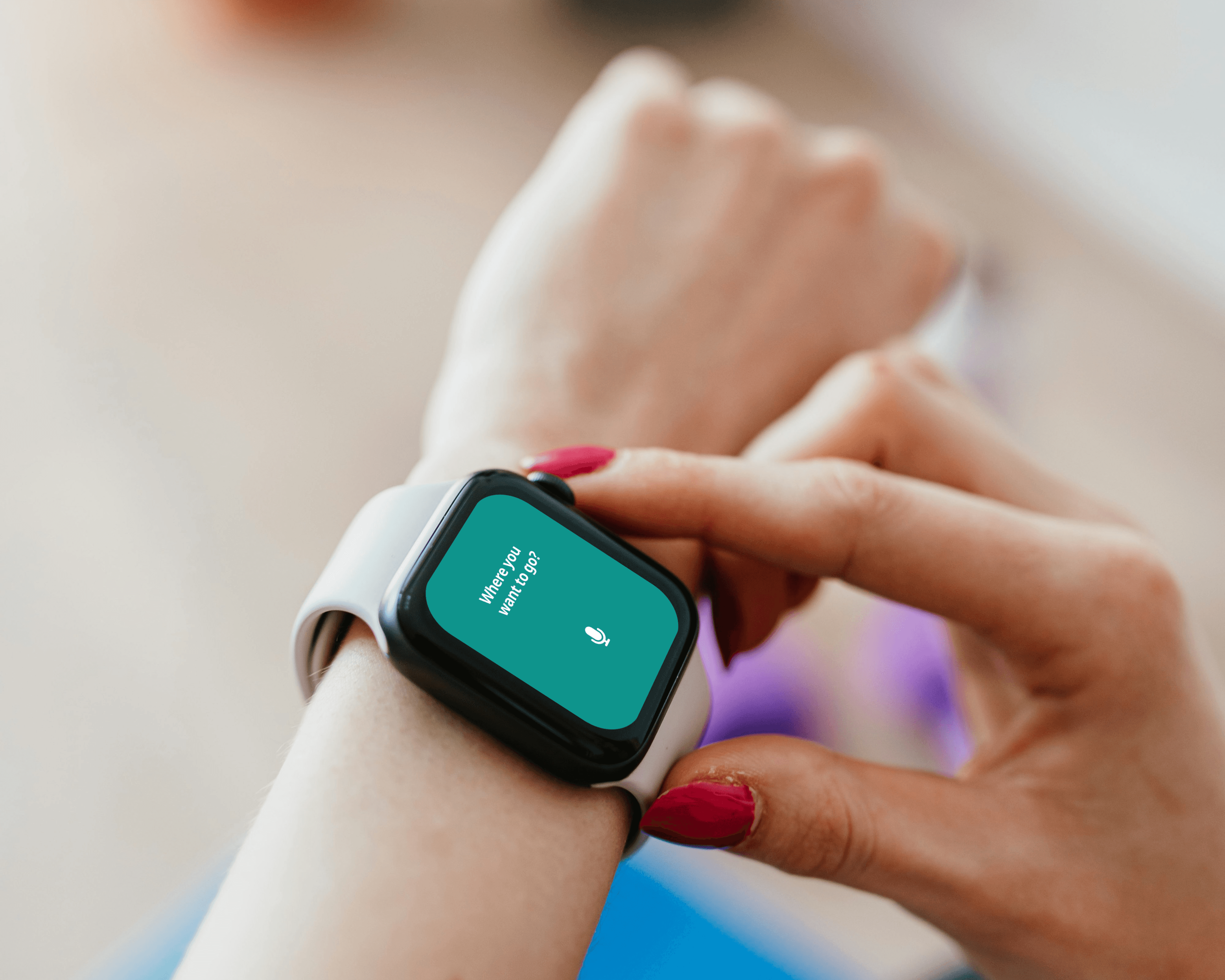
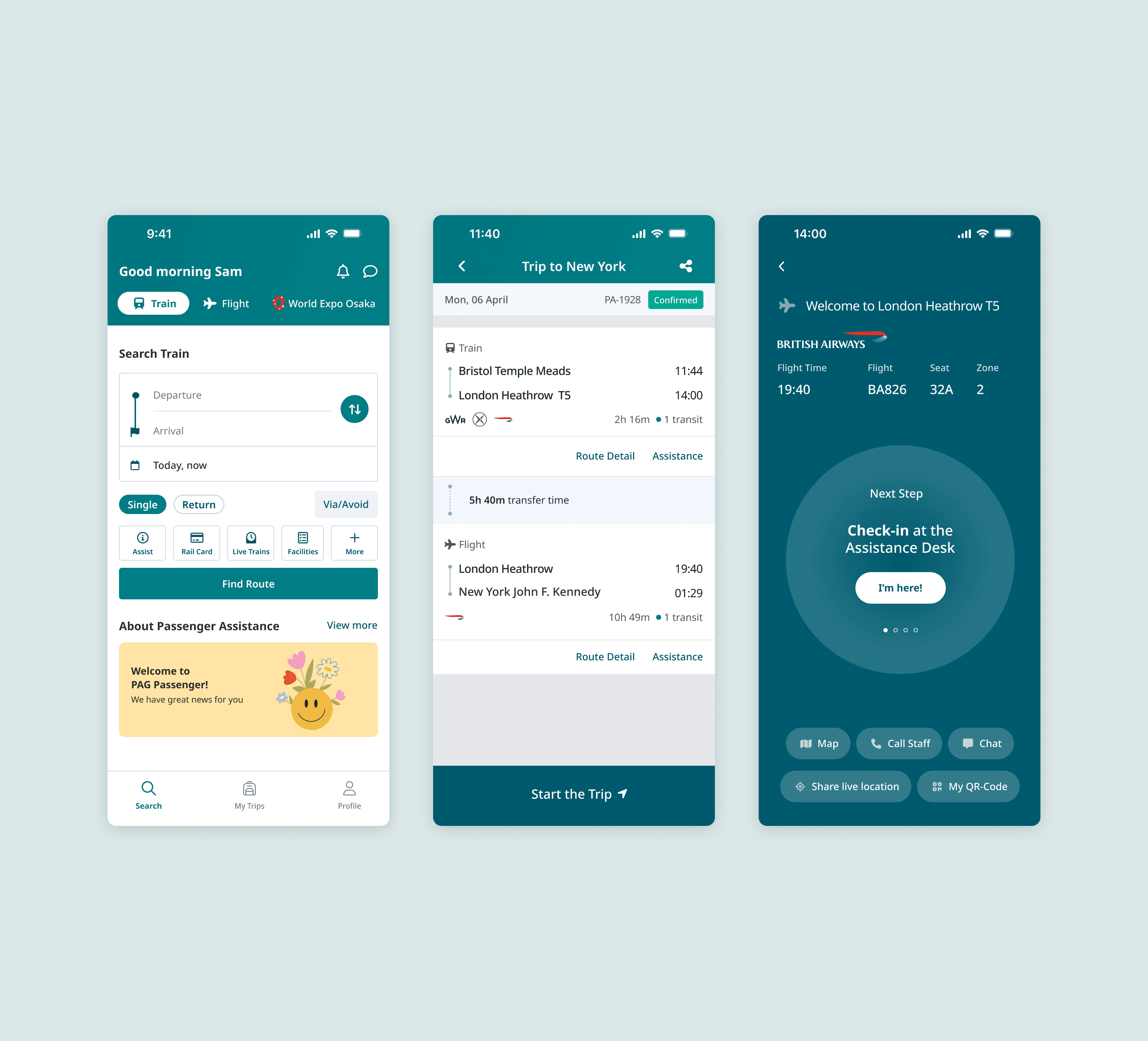
Before expanding across the UK and Japan, I led a phased product vision initiative exploring how Passenger Assistance could evolve from a transactional booking tool into a connected accessibility ecosystem spanning rail, aviation, and hospitality services.
The work focused on reducing uncertainty across the end-to-end journey through concepts such as wearable notifications for low-vision passengers, silent QR-based check-in for speech-impaired travelers, and multimodal coordination designed to support seamless door-to-door accessibility experiences.
Balancing this product was inherently difficult. Passenger Assistance did not generate direct revenue, yet it underpinned long-term business growth — making it challenging to define what “good enough” looked like at each stage of investment.
The core challenge was determining how much to build: enough to establish passenger trust and operational reliability, but not so much that we overbuilt beyond what was necessary to validate the model — particularly during the Japan MVP phase.
This created constant trade-offs between user value, operational feasibility, and long-term scalability — a level of organizational and product complexity I initially underestimated.
If I were approaching the project again, I would invest earlier in aligning stakeholders around these constraints and trade-offs, treating them not only as product decisions, but as strategic business decisions shaping the future direction of the service.